LIFESTYLE

The bagel’s journey from Jewish immigrant food to American breakfast staple

Jul 21, 2026, 10:52 AM
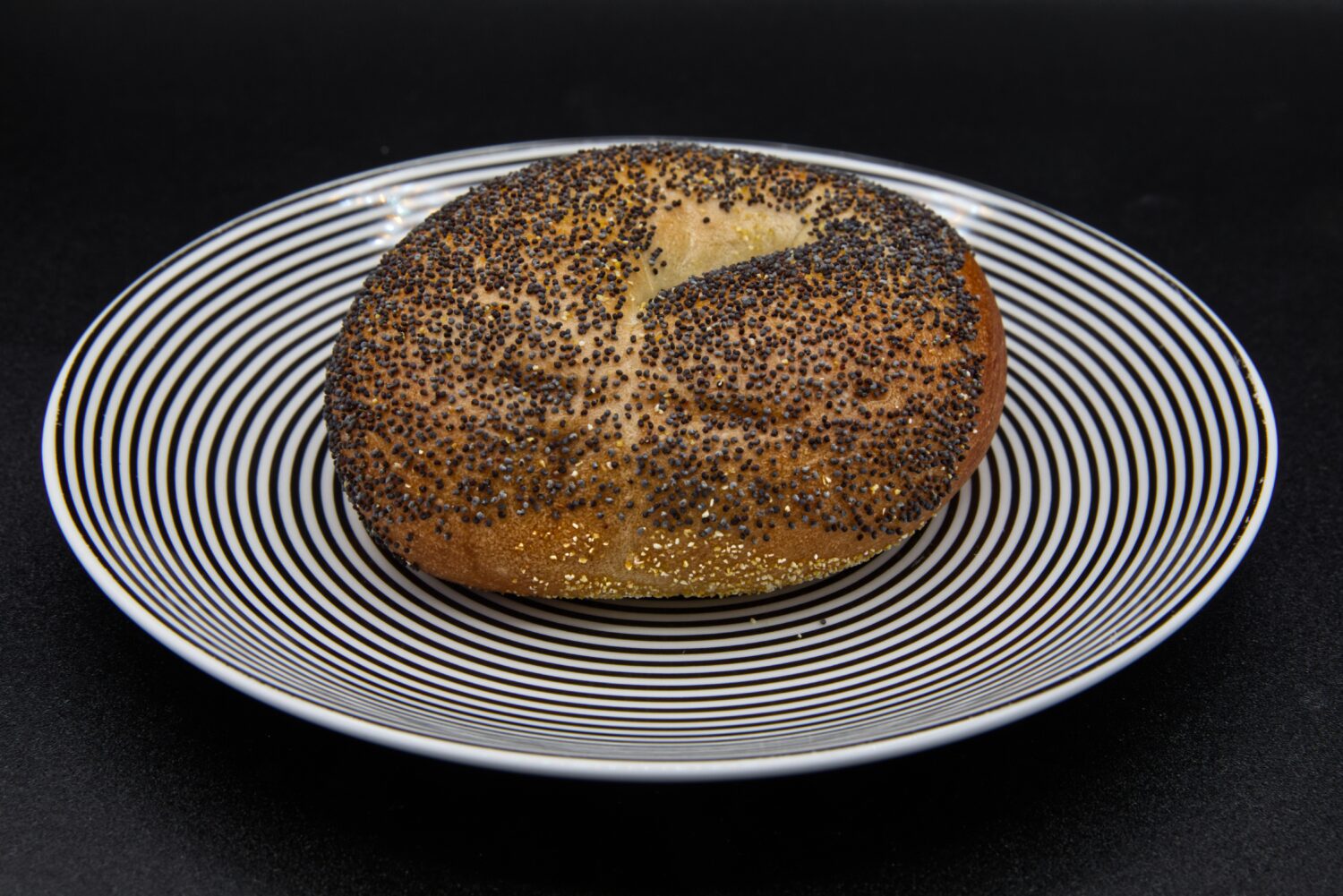
A poppy seed bagel on a plate photographed in Phoenix, Ariz., Monday, July 20, 2026. (AP Photo/Dari...

A poppy seed bagel on a plate photographed in Phoenix, Ariz., Monday, July 20, 2026. (AP Photo/Dario Lopez-Mills)
Credit: AP Photo/Dario Lopez-Mills

(AP Photo/Dario Lopez-Mills)

NEW YORK (AP) — The bagel in America is an immigrant story with a hole in the middle.

It came to America with Eastern European Jews escaping poverty and antisemitism. It landed in New York street carts and neighborhood bakeries. Later, it made its way to supermarket freezer aisles and into the breakfast order of so many every day. And like every food story, it starts with the first bite.

As a layer of crunch prepares your brain for a crusty piece of bread, it’s immediately met by the soft yet dense chew of the inside. Eating the two textures together brings a feeling of joy, along with whatever toppings you’ve added.

A schmear of cream cheese to keep it simple. A flavored spread to add a bit of zest. Or a bagel topped taller than the human mouth can handle with fish, tomato, cucumber and red onions.

And we haven’t even talked about the flavor choices.

A simple plain or egg bagel works for some (no judgment). Others insist on seeds — poppy, sesame — or shards of onion or salt. Others say it’s not a bagel unless it’s an everything, each bite snapping back at you with a different cascade of flavors.

Purists will tell you to keep it simple. But with a bagel, like so much in American life, you can have it any way you’d like.

The bagel started in Jewish communities in Poland and was brought here by Eastern European Jews escaping growing antisemitism in the late 19th and early 20th centuries. After arriving from Poland, Harry Lender worked at a New Jersey bakery to earn enough to bring his family to America. His sons grew the family’s work from their New Haven, Connecticut, bakery to supermarkets around the country with frozen bagels.

The bagel, then, is another story of the success of immigrants in America. The shops that now sell them are run by families of those original immigrants and new groups who’ve come for a better life.

But no matter how far the bagel spreads, it maintains a special place for American Jews. Many moments in the circle of life for Jews in America include boiled rings of dough stacked high to celebrate or eat away the grief.

Ritual circumcision for a baby boy? Snip snip, then bagels for all.

Bar mitzvah day 13 years later? Months of practice for an hour of work. Then: bagels.

Shiva house mourning a loved one? “Sorry for your loss.” “Thank you. Bagels are in the other room.”

In these situations, the bagel brings comfort — just as it has for generations of American Jews, immigrants, and anyone else looking for their place at the table.

___

Part of a recurring series, “American Objects,” marking the 250th anniversary of the United States. For more American objects, click here. For more stories on the anniversary, click here.

Please follow our Community Guidelines
sign up for the 425 Magazine newsletter

Lifestyle

Associated Press

Americans rewire their grocery shopping routines while digesting the biggest price jump in 50 years

What’s for dinner? Lately, at Apral Jack’s house, it’s whatever is on sale. Jack, 50, scouts an app for deals at her local supermarket before she buys groceries. When she reaches the store, she looks in the weekly circular for coupons she might have missed. If shelf prices look too high, she tries to find […]

2 hours ago

Elizabeth Martínez pushes a shopping cart through a grocery store aisle on Thursday, July 2, 2026,...

Associated Press

The ‘rockets and feathers’ effect: Inflation eases but grocery bills do not

Economics has a term for what U.S. grocery prices have done in recent years: rockets and feathers. Rockets, because the cost of food eaten at home zoomed up in the aftermath of the pandemic. Feathers, because once prices rise, they’re slow to come down. That’s been frustrating for Americans hit with the sharpest increase in […]

3 hours ago

Associated Press

Americans rewire their grocery shopping routines while digesting the biggest price jump in 50 years

What’s for dinner? Lately, at Apral Jack’s house, it’s whatever is on sale. Jack scouts an app for deals at her local supermarket before she buys groceries. When she reaches the store, she grabs the weekly circular to look for coupons she might have missed. If the shelf prices look too high, she scratches items […]

4 hours ago

425 Magazine...

425

2026 Northwest Idea House Unveiled in Bellevue; More Than 100 Tour Luxury Wellness-Focused Home

Originally published on 425. More than 100 guests gathered at the 2026 Northwest Idea House at Clyde Hill on June 23 for an exclusive evening event that spotlit luxury home-design innovation and offered endless inspiration for anyone dreaming about their next home project. 425 annually pairs up with a home builder to highlight a particularly […]

17 hours ago

South Sound Business...

South Sound Business

Sound Credit Union to Demolish, Rebuild Parkland Location

Originally published on South Sound Business. Sound Credit Union has announced that starting today, it’s temporarily closing its Parkland branch to begin the demolition and construction of a new, modernized bank. The current building was originally constructed in 1977 and was a Pacific First Federal Savings and Loan branch. Sound Credit Union has operated out […]

20 hours ago

425 Magazine...

425

Visit Bellevue Launches New Bike Program, Highlights Regional Cycling Opportunities

Originally published on 425. Visit Bellevue has a new outdoor-recreation initiative. Ride Bellevue, a bike-access program, provides access to electric, gravel, and mountain bikes, plus local cycling expertise through partnerships with the electric micromobility company Ridy and locally owned cycling outfitter The Line Bike Experience. It also looks to connect the city’s visitors to its […]

20 hours ago

The bagel’s journey from Jewish immigrant food to American breakfast staple