Seattle officials closing 4 North Seattle streets, installing barriers in response to surge in violence on Aurora
Jun 11, 2026, 2:20 PM | Updated: 6:16 pm
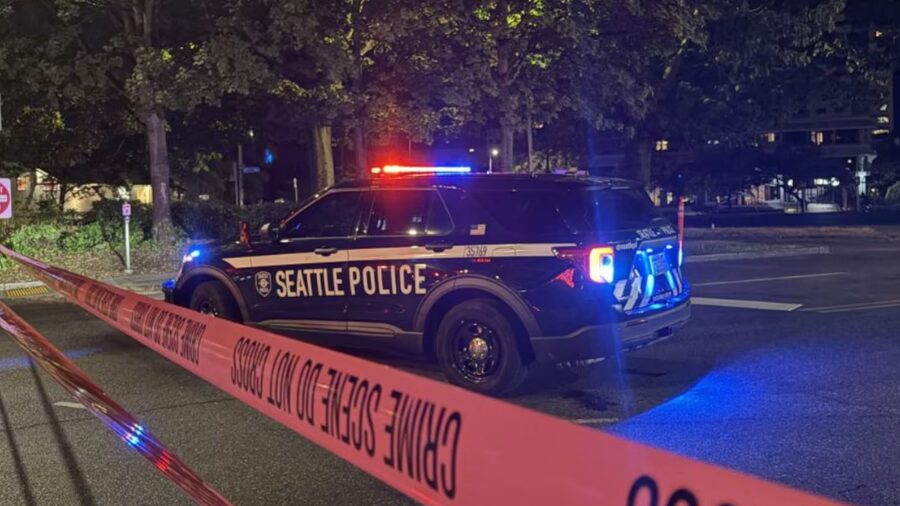
Seattle leaders have announced a new plan to block off key neighborhood streets near Aurora Avenue North, responding to months of escalating gun violence, open sex trafficking, and intense frustration from neighbors who say they’ve been left to fend for themselves.
At a news conference Thursday at Seattle City Hall, at least nine elected officials stood alongside Seattle Police Chief Shon Barnes to unveil a coordinated strategy aimed at disrupting drive-through trafficking and shootings tied to the Aurora corridor.
Neighbors reached a breaking point
Residents living near Aurora have been sounding the alarm for weeks. They reported gunfire in the middle of the night, bullets striking homes and passing dangerously close to families, and ongoing sex trafficking and exploitation of young women and girls in plain sight.
Many said they no longer trusted the city to protect them. That feeling boiled over when neighbors began building their own makeshift barriers to slow cars and cut off cruising routes used by pimps, buyers, and people engaged in violent activity.
Seattle Mayor Katie Wilson said those homemade barricades were a clear message.
“People were tired of feeling like they have to solve this problem by themselves,” she said.
City leaders acknowledged community members should never have to risk their own safety to do what they expect the government to do: keep their streets livable and safe.
Exactly which streets will be closed
Under the new plan, the Seattle Department of Transportation (SDOT) has been directed to systematically close four key east-west streets that connect to Aurora Avenue North.
- North 102nd Street
- North 100th Street
- North 98th Street
- North 96th Street
The closures are designed to break up circulation patterns used by traffickers, pimps, and buyers who loop through neighborhood streets off Aurora. They are also supposed to make it harder for drivers to “circle the block” repeatedly, solicit women and girls, and flee quickly after shootings or other crimes.
The closures will help calm traffic in the surrounding residential area so families can walk and live with less fear
SDOT is coordinating with Seattle Public Utilities to ensure that trash pickup and other essential services can continue, and will be working with police, fire, and utilities to maintain emergency access even as barriers go in.
The city will also be exploring additional traffic calming measures on nearby blocks to further slow vehicle speed and deter predatory driving patterns.
Why the city says this is necessary
Officials described the situation along Aurora as a crisis of violence and exploitation. Seattle City Council President Joy Hollingsworth called it “violence against young women, violence against children, and violence against residents.”
She noted that the average age of those entering commercial sex is 12 to 15 years old, and that Aurora is believed to be one of the busiest tracks for juvenile sexual exploitation in the entire country.
Seattle City Attorney Erica Evans pledged to prosecute buyers, known as “johns,” and use civil tools to shut down motels and businesses that repeatedly host criminal activity.
Barnes reported 23 active shooting investigations in the area and described what’s happening as “modern-day slavery.”
The barriers are one part of a broader strategy that includes focused police enforcement and undercover operations, a dedicated extreme risk protection order (ERPO) prosecutor to remove guns from dangerous individuals, a proposed deputized prosecutor focused on felony trafficking cases on Aurora, increased trauma‑informed outreach and services to help survivors exit exploitation, and continued use of chronic nuisance laws to close properties that generate crime.
Barnes and other regional and community partners reinforced that Aurora’s problems are being treated as a citywide and regional public safety priority.
RELATED STORIES

When the streets will be closed and for how long
The roads will be closed and barricaded in the next two weeks. The new barriers will remain in place at least through the summer.
During that period, the city will monitor impacts on safety, traffic, and neighborhood access. It will also gather feedback from residents, businesses, and community groups. Lastly, the city will adjust the plan as needed based on what is and isn’t working.
City leaders framed the move as an urgent step, not a final solution. But for neighbors who have been hearing gunshots, dodging bullets, and watching exploitation unfold outside their front doors, the street closures signal that the city is finally matching their urgency with visible action.
Follow James Lynch on X. Read more of his stories here. Submit news tips here.