Do Washington’s new pot rules guarantee the future of the black market?
Sep 5, 2013, 3:54 PM | Updated: 4:51 pm
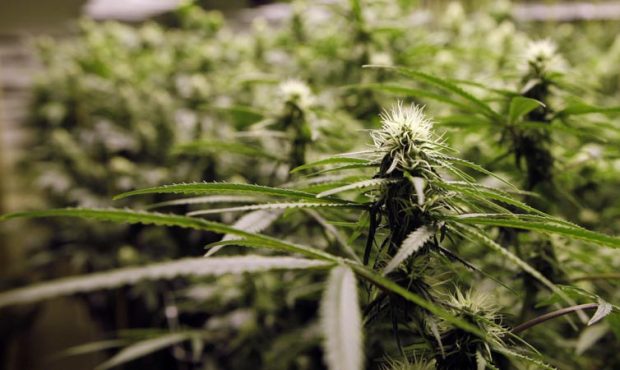

When the state starts allowing marijuana sales, will there be enough pot to go around? Some activists argue the amount of legal production approved in the new rules announced Wednesday is so low, it guarantees the black market will continue to thrive.
The rules adopted by the state Liquor Control Board caps production at 40 metric tons next year. It might sound like a lot, but it’s actually about 25 percent of the estimated total state market for recreational, medical and illegal-market marijuana.
“It’s ridiculous,” says Ben Livingston, a longtime Washington marijuana activist and founder of the Seattle-based Center For Legal Cannabis.
Livingston says while he feels the state has done a good job in crafting most of the rules surrounding the implementation of I-502, policy makers have grossly underestimated the amount of marijuana people consume.
“Based on the population, the amount of pot they’re allowing is equal to a couple grams per person per year,” which Livingston says is a small amount for many marijuana users.
And he wonders why the state is setting quotas that could lead to supply problems that will ensure unlicensed growers continue to do a strong business.
“So if the liquor control board suddenly realizes one month that they’re running low or running out of pot, it’s going to take them up to six months, from four to six months in order to be able to adjust.”
But officials insist the rules “fulfill the public expectation of creating a tightly-regulated and controlled system while providing reasonable access to participation in the market,” said Board Chair Sharon Foster. “Importantly, we believe these rules meet the eight federal government enforcement priorities within Thursday’s guidance memo from the Department of Justice.”
State officials expect the recreational market to grow over time and can adjust their limits to meet market demand.
BOTEC Analysis, the think-tank that helped craft the rules, argued in its research there were a number of good reasons to limit legal cannabis production at first. They include reducing the financial incentive for illegal sales out of state, limiting access to minors and preventing large producers from dominating the market.
Under the rules, the state will initially allow 334 retail pot shops across the state, including 21 in Seattle.
But Livingston calls that woefully inadequate, especially since I-502 passed in Seattle with nearly 75 percent voting in favor.
“There’s enough people in Seattle to support 100 medical cannabis dispenseries you’re trying to tell me there’s more people using medical cannabis than want to use marijuana recreationally?”
Livingston also argues the state is failing basic economics: by limiting supply, prices are bound to be higher than the illicit market, which will be able to remain healthy by setting prices below the legal market.
“The way you reduce prices is not by artificially limiting the amount of pot or the amount of the product to something even less than the people are consuming now.”
Determining how much legal pot people will actually consume is the big challenge. While Livingston predicts the number will exceed state estimates – especially with an increased marijuana tourism trade and new users consuming pot now that it’s legal – the state consultants said in a report “there is little reason to think that the mere existence of a licit source of supply will greatly increase the quantity of cannabis consumed compared to previous year levels.” The report argued few new users become heavy users, which largely determine total sales.
Although Livingston predicts the black market will continue to thrive for years to come, he says for many marijuana users, that’s not a bad thing because it will guarantee lower prices, higher quality and selection.
“In the grand scheme of things I’m not really all that worried that there’s not going to be enough pot because I can go find pot.”