Expert believes consumers will ditch their cars by 2030
May 16, 2017, 6:45 AM


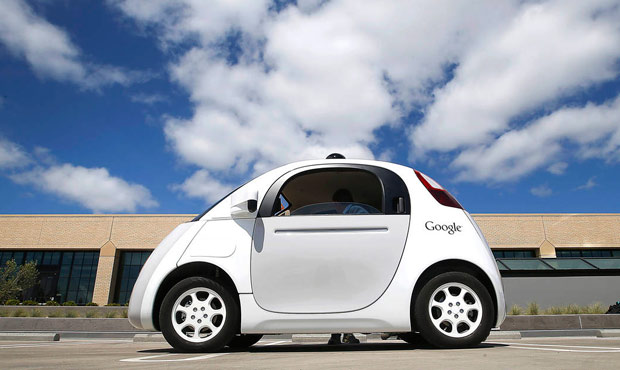
In a few short years, car ownership will be largely gone as driverless vehicles take over, experts say.
RELATED: How to program ethics into a self-driving car
“The interesting thing is that it is going to happen for economic reasons, the market is going to make it happen,” said market disruption expert Tony Seba.
The Silicon Valley entrepreneur and Stanford University lecturer predicts that self-driving, electric vehicles provided by services such as Uber or Lyft will handle 95 percent of all miles driven on the road by 2030. This is because a market disruption is inevitable.
Driverless future
Seba’s prediction is part of a 77-page report recently published by RethinkX, an independent think tank that also includes James Arbib, a venture investor who specializes in disruption technology. It’s meant to be a “conversation starter” for decision makers as the driverless future is becoming a reality. Seba delivered a similar message to Seattle at the Downtown Seattle Association’s 2016 state of downtown event.
The report asserts that rideshare services will overtake the market once the government opens the gates for them to use self-driving, electric cars — with fleets ranging from simple transit cars to vehicles that can haul large loads. Those gates will open by 2020, according to RethinkX.
It’s not too far fetched when considering developments happening now. Uber is already testing self-driving vehicles — Google too. Driverless shuttles are on roads in Las Vegas and Georgia. Autonomous big-rig trucks are being tested on highways to transport cargo. Washington is already considering self-driving regulations. Companies such as Volkswagen are making driverless vehicles without pedals or steering wheels. The University of Michigan is programming ethical decisions into self-driving software.
RethinkX’s assertion sets up a 10-year conversion between 2020 and 2030. During that time, people will stop driving a car they own (and pay insurance, gas, tabs and maintenance), finding parking, paying for parking, and so on. Instead, people will order a ride through Uber or Lyft, or even from car companies themselves (BMW already operates a car-share service in Seattle). Passengers will simply pay for rides as they go.
The driverless option is about 10 times cheaper, according to the report. The average family will save about $5,600 each year — considering the costs of owning a car vs. paying a few bucks for a ride. Self-driving, electric cars will last for about 500,000 miles and require far less maintenance than a gas-powered engine. The cars will spend hours at a time picking people up and dropping them off, which dramatically cuts down on the need for parking.
“When we own an existing vehicle, we only use it 4 percent of the time — 96 percent of the time, our cars are parked,” Seba said. “When transportation companies provide a car, they are going to use it 10 times as much; they are going to use it 40 percent of the time, at least 10 hours a day. They are going to be riding around all day, picking you up, taking you to work, picking you up from work, taking you to the supermarket …”
The RethinkX report admits that it strays from “mainstream” projections.
Our detailed analysis shows that the cost of transport-as-a-service (TaaS) will fall to such an extent that owners of vehicles will abandon their individually owned vehicles at a speed and scale that mainstream analysts have failed to predict. This is because they have failed to foresee the extent of the cost reduction and the impact that will have on the speed of adoption. Mainstream scenarios generally focus on new car sales, with (internal combustion engines) vehicles gradually being replaced by EVs, and not on the entire existing fleet of vehicles being disrupted and stranded.
Moody’s Investors Service believes the self-driving car market is decades away. But Moody’s does agree with RethinkX in one area — self-driving tech will make things cheaper. The investor service predicts that insurance rates, for example, will considerably drop in a driverless system.
Follow @https://twitter.com/DyerOxley