State considers changes in pot law language
Apr 25, 2013, 6:30 AM | Updated: 9:55 am
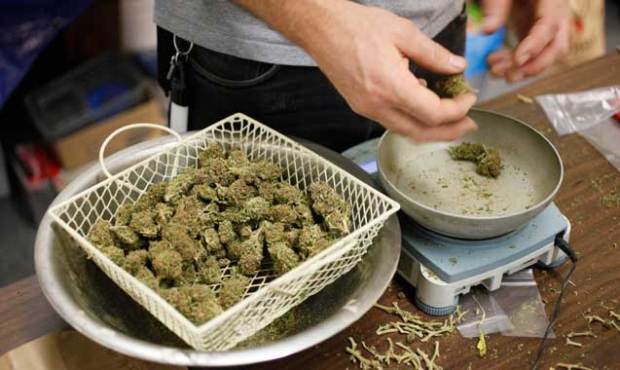
In seven months, business owners will be able to open marijuana stores, and growers will be able to set up shop around the state. Cities and the state are still trying to hammer out all the details, and the legislature is considering some tweaks to the language in I-502.
The liquor board is preparing its official timeline of when business owners can apply for licenses. Cities are figuring out where those businesses can be and how they will operate.
The Seattle City Council is proposing some zoning regulations on pot growing operations. One plan would restrict commercial growing operations to 10,000 square feet. Another would prevent them from operating in the city’s historic districts.
John Davis, a local pot activist, spoke before the city council on Wednesday. “Seattle has become the cutting edge of reasonable cannabis policy in a metropolitan area,” he said. “I think that the zoning is the first step.”
But not all pot activists are happy with the proposed restrictions. Phillip Dawdy believes growers will need 50,000 square feet or those grow operations will go somewhere else, costing the city jobs.
“The reason for this is people just need more room in order to grow to meet the demand that is going to be there in the I-502 market over the next year,” he told the council.
The council will take up the issue again May 8.
The state legislature is holding a hearing Thursday on potential changes in the language of the new pot law.
To be considered marijuana under I-502, the pot must contain 0.3 percent of intoxicating THC. Any pot with a level under that percentage is considered hemp.
The state crime lab says even some very potent pot can have THC levels under 0.3 percent, but the THC content jumps when it’s heated or burned because the burning activates THC acid.
The crime lab, police and prosecutors say that could keep them from pursuing cases of people found with more than an ounce of marijuana. Under current law, it wouldn’t be considered marijuana because of its low THC content.
The change in language being proposed would define marijuana as a cannabis plant with more than 0.3 percent dry weight or THC and THC acid.
It’s not too controversial of a change, even the writer of I-502 thinks the clarification is necessary.