Tech transplants may be changing the standards for cooling off
Jun 25, 2015, 12:48 PM | Updated: Jun 27, 2015, 10:57 pm
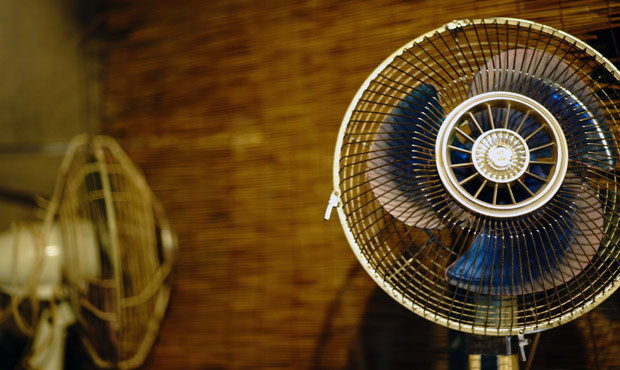
As temperatures rise and new home buyers flock to Seattle, air conditioning may be turning from luxury to standard for Northwest homes. (haru_q flickr)
(haru_q flickr)
Seattle’s recent heat wave is shedding light on the Northwest’s changing climate and not just weather.
Some developers notice home buyers willing to plug in to cool off; a change from past home-buying markets.
“Air conditioning has been a luxury upgrade,” said Anthony Maschmedt with Seattle’s Dwell Development. “You typically only see it in higher-end homes, larger homes, or homes worth a substantial amount of money.”
“You rarely ever see [air conditioning],” he said, estimating 1 or 2 percent of the current homes in the Seattle market have air conditioning.
However, Maschmedt said that new homes include a larger variety of cooling methods or are being built with the ability to upgrade later.
A lot of Dwell’s homes include ductless mini-splits, a heat pump, which heat and cool a home. It’s a more modern form of air conditioning found in recent builds.
Maschmedt notes that no matter who it is, Northwest developers have historically marketed homes based on heating, rather than cooling. But that is slowly changing for a few reasons.
It’s getting hot up here
If you think this recent heat wave is miserable, University of Washington Atmospheric Sciences Professor Cliff Mass believes this summer could be a dress rehearsal for what’s to come in 2070.
“By the end of the summer, we will know whether the Pacific Northwest is ready to deal with global warming,” Mass wrote in his blog. “And if not, what we need to do to prepare.”
Mass dubbed this summer as a “climate stress test.”
Maschmedt said he thinks people with older homes that don’t ventilate well will start looking at other options instead of pulling out the fans and wall unit air conditioners.
“As this particular region warms up, and it will continue to do so, I feel … air condition or ductless heat pumps are going to be a more regular, standard item most people are going to add to their home,” he said.
Who is buying AC?
The future market won’t only be driven by rising temperatures, but also by today’s buyers, who Maschmedt said is largely one influential group.
“A lot of buyers — in particular our buyers — we have noticed in the last six months, are transplanted Google or Amazon people from California — or other parts of the country — where air conditioning is a more normal thing,” he said. “When they come up here, they are looking for that.”
For Dwell’s recent builds, some form of air conditioning comes standard or is made possible for upgrades later, Maschmedt notes. It’s a feature based on what customers are seeking.
“I think the main driver is that they can afford it and they are used to it,” Maschmedt said of the tech transplants. “Whereas we, up in the Northwest, feel it’s more of a luxury or an upgrade to a home.”
Shocking the system
According to Seattle City Light, the area’s electricity usage drops in the summer months because homeowners turn down the thermostat. And as it gets warmer, people choose more natural forms of cooling off, such as opening windows or closing blinds.
Related: Would you leave your window open in the summer if you had to listen to this?
“The load increase, so far, on hot summer days is not what we would see in the middle of winter,” said Scott Thomsen with Seattle City Light.
Even if Seattle does get warmer and more homes include air conditioners, Thomsen said the technology is improving and homes are better insulated.
Seattle City Light has considered such loads as part of it’s 20-year Integrated Resource Plan, taking into account energy efficiencies.
“The last number that I saw, in our last residential housing stock survey, we saw 14 percent of residential customers using air conditioners,” Thomsen said. “In this area it has been a small percentage.
“Even given all of those factors, we are still a winter-peaking utility,” he said. “When we get a cold snap, we use more electricity than when we get a hot streak.”