Thurston Co. reports flu-related death from last influenza season
Oct 9, 2026, 5:59 AM
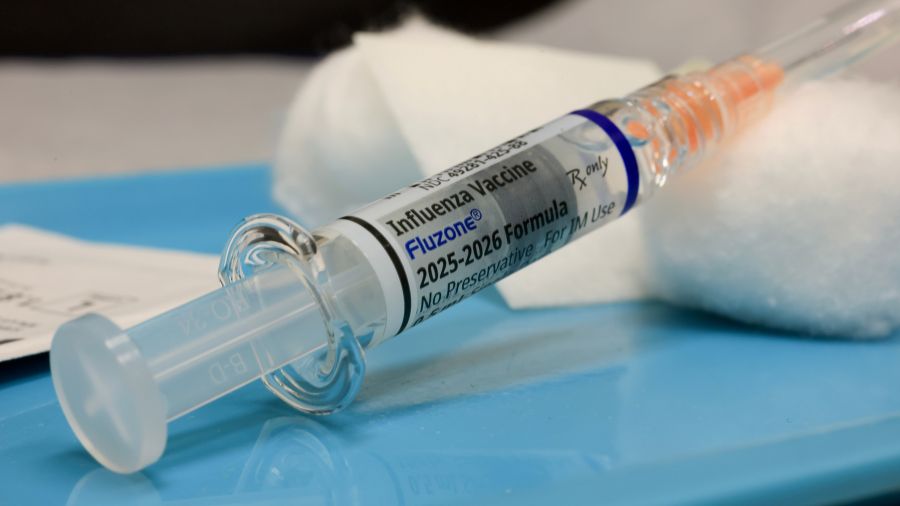
An Influenza Vaccine is prepared for a patient. (Photo: Joe Raedle, Getty Images)
(Photo: Joe Raedle, Getty Images)
Thurston County Public Health and Social Services (PHSS) was notified of a flu-related death on Oct. 7.
The PHSS initially reported that this was the first flu-related death of the influenza season. However, on Oct. 8, PHSS issued a correction saying this death has been categorized as the county’s last death of the 2025-26 season.
The details of this case are not known at this time.
Official influenza season dates are set by the Centers for Disease Control and Prevention (CDC) every year and run on a different schedule than the standard calendar year.
According to PHSS, the symptoms that led to the reported death began in September 2026, placing it within the 2025-26 influenza window.
Last flu season was reported from Sept. 28, 2025 and ended Oct. 3. This current flu season began on Oct. 4.
There have been no reported flu deaths in Thurston County yet for this season.
According to PHSS, influenza A activity is low in the state but is “rising earlier than in recent years, making it important that everyone gets their updated influenza vaccination as soon as possible.”
The CDC recommends that everyone six months and older get a yearly flu vaccine.
While most cases of the flu involve mild illness, young children, immunocompromised individuals, pregnant people, and people 65 and older are at risk for more intense symptoms, hospitalization, or death.
According to PHSS, in addition to getting the updated flu vaccine, you can lower your risk of illness and the spread of all respiratory viruses by doing the following:
Wash your hands often for at least 20 seconds with soap and water or use hand sanitizer. Avoid touching your eyes, mouth, and nose where germs like to enter. Stay home when you’re sick (even if it is “just a cold”) and isolate sick household members in separate rooms.
Wear a mask in crowded or poorly ventilated settings. Limit the number of close contacts for young infants and others at high risk. Clean high-touch surfaces frequently with a cleaner known to kill these viruses.