‘We’re at double’: Record diesel prices hitting Washington’s fall harvest
Sep 21, 2026, 5:26 PM | Updated: 5:28 pm
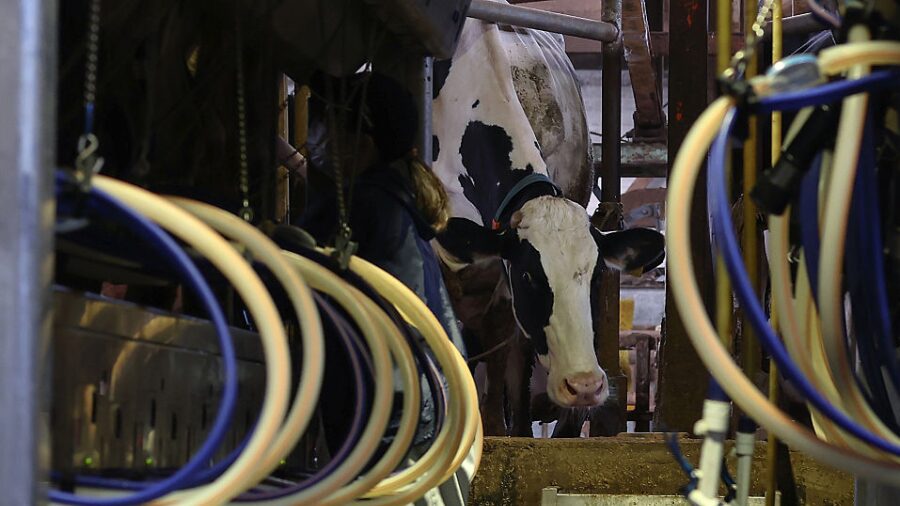
A Holstein cow is seen while milking machines hang at a farm. (Photo: Buddhika Weerasinghe, Getty Images)
(Photo: Buddhika Weerasinghe, Getty Images)
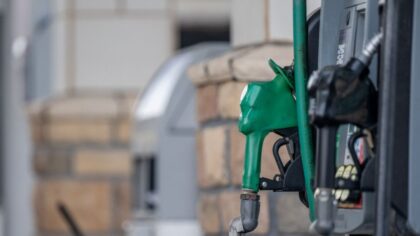
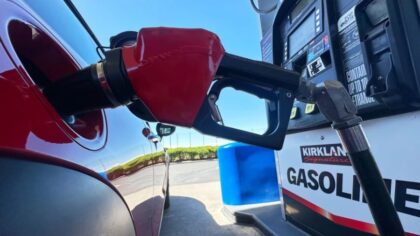
Washington farmers are paying more to bring in their fall harvests as high diesel prices drive up the cost of running equipment and shipping crops.
At Harmony Dairy in Mount Vernon, second-generation farmer Jason Vander Kooy said tax-exempt farm diesel is roughly twice what he typically pays.
“We’re at six dollars a gallon now. We’re at double … easily double,” he told KIRO Newsradio.
Vander Kooy, who operates the dairy with his brother, said the farm burns about 1,000 gallons of diesel a day during peak fall harvest. He expects to spend about $60,000 more on fuel this harvest than usual.
He has no choice but to pay higher prices as grass and corn are ready for harvest. They will feed his cattle for the next year.
“When the crop is ready, we got to go get it,” Vander Kooy said.
He is postponing equipment purchases and improvements to cover the higher costs. Payroll, utilities, and feed bills take priority, and Vander Kooy said he may need to use a line of credit.
“At the end of the day, we still have to do what’s best for our animals, and then we’ll figure it out,” he said.
RELATED STORIES
Diesel prices hitting every step of the tree fruit business
The pressure extends beyond dairy farms. With apple and pear harvests underway, growers still need to pick, pack, and ship fruit on time.
Eric Patrick, president of the Washington State Fruit Commission, said diesel prices affect nearly every step of the tree fruit business, from running tractors and hauling fruit to warehouses to shipping fresh produce across the country and overseas.
“Whether it’s higher retails for consumers or reduced returns for growers, someone is paying for those increased costs,” Patrick said.
Fuel is one of several rising costs putting pressure on family farms. Patrick described the past few years as difficult for the tree fruit industry and said smaller family farms in particular are struggling to stay in business.
“We just need to do more to help keep family farmers in business,” he said.
For Vander Kooy, the immediate priority is getting the harvest finished, regardless of the price.
“We’re harvesting the crop that’ll feed our cows for the next year,” he said. “So, we can’t just stop or delay it. We have to get it done.”
Read more of Aaron Granillo’s stories here.
Follow @https://twitter.com/aaronkirofm