Snitching on schools: Senate passes bill to tattletale on schools not following state education laws
Mar 11, 2025, 4:56 AM

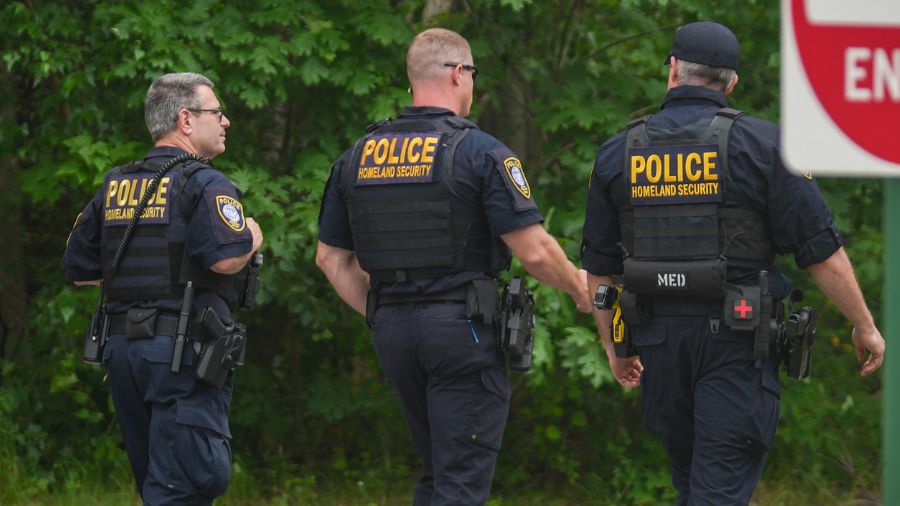
Snitching on schools that violate rules is part of a new WA bill. (Getty Images)
(Getty Images)
A bill that critics argue sets up a “snitch line” for reporting school districts that do not comply with state law has passed the Washington State Senate along party lines.
Senate Bill 5179, which cleared the chamber Monday with a 30-19 vote creates a new complaint process allowing students, parents, and even local community members to report schools for “willful noncompliance” with state education laws. Every Democrat voted in favor, while all Republicans opposed it.
Sponsored by Senator Claire Wilson (D-Auburn), the bill aims to hold districts accountable for violations that could harm students or families in the state’s K-12 system.
“Students and families should never be made to feel like they’re at risk of retribution for demanding that their schools follow the law,” Wilson said during the Senate floor debate. “When school districts fall short, the state oftentimes needs to step in to ensure that children are protected and that rules—not ideology—are followed.”
More from MyNorthwest: WA House pushes through controversial public health bill after heated late-night debate
Snitching on schools sparks debate
The bill seeks to enforce rules on civil rights, bullying prevention, and curriculum requirements. However, its most controversial feature is the reporting mechanism, which allows complaints about a school’s noncompliance to be filed with the Office of the Superintendent of Public Instruction (OSPI) after local resolution efforts fail.
Once a complaint is submitted, OSPI is responsible for investigating and can impose penalties, including withholding up to 20% of a district’s state funding.
Opponents argue the bill invites excessive “whistleblowing,” potentially turning parents and community members against school staff and administrators. Critics have dubbed the complaint process a “snitch line” because it permits anyone in the district—including residents with no children in local schools—to file complaints.
Republicans strongly opposed the measure, with Senator Jim McCune (R-Pierce County) condemning it as “socialism” and an attack on school autonomy.
“We’re putting a strong arm on schools that don’t want to teach the horrible sex-ed bill we have in the state of Washington,” McCune said. “They don’t want to teach gender ideology, they don’t want to teach DEI, and now you’re going to have a snitch line for them if they don’t do it.”
More from MyNorthwest: Workers with immigration hearings can use paid sick leave to attend under bill passed by WA House
State oversight vs. local control
Critics worry the bill will create an environment of distrust, where school board members and educators become targets for politically motivated grievances.
Senator Shelly Short (R-Ferry County) expressed concerns about the bill overriding local authority.
“I believe this should be local control, handled by every school district,” Short said. “Complaints should be handled locally. We should listen to them, and we should certainly listen to the parents and the students.”
The debate over SB 5179 mirrors larger national tensions about the role of state and federal governments in education. Recent actions by the Trump administration have placed federal oversight at the center of school policies on LGBTQ+ rights, curriculum content, and student discipline. Critics say this bill takes a similar top-down approach at the state level.
Supporters counter that when a district openly defies state law, there must be an effective and transparent way to hold it accountable. They argue that OSPI’s involvement ensures necessary oversight and prevents violations from being ignored.
SB 5179 now moves to the House for debate.
Matt Markovich is the KIRO Newsradio political analyst. Follow him on X.