Hurricane Isaias could nudge fuel prices higher if Gulf of Mexico refineries lose power
Oct 9, 2026, 8:31 AM

An American flag flaps in the wind generated by the effects of Isaias on an empty beach on Friday, Oct. 9, loom overhead on Friday, Oct. 9, 2026, in Mon Louis Island, Ala. (AP Photo/Octavio Jones)
Credit: AP Photo/Octavio Jones
(AP Photo/Octavio Jones)

Hurricane Isaias is forecast to miss the oil industry’s biggest hubs along the Gulf Coast but could still nudge fuel prices higher if it triggers power outages that shut down refineries for processing crude, according to industry experts.
An extended shutdown of refineries would put a crimp in fuel supplies that already have taken a hit from the ongoing conflict in the Middle East and Russia’s war against Ukraine.
Chevron’s facility in Pascagoula, Mississippi, and Vertex Energy’s refinery in Mobile, Alabama, which constitute 2.4% of the nation’s refining capacity, are at risk of flooding and power outages, said Andrew Lipow, a Houston-based oil analyst. Any problems could take the facilities offline at a time when diesel supplies are already low.
Isaias strengthened into a major hurricane Friday as it barreled toward the Gulf Coast, where final preparations were underway for potentially life-threatening storm surges and high winds.
If the storm moves through quickly and its impacts are minimal, refineries would continue to run at reduced capacity and prices for gasoline and diesel could rise just a few cents, said Carl Larry with the energy analysis firm Enverus. But if refineries such as Chevron’s shut down completely, it could take them weeks to recover and that could cause fuel prices to jump more significantly, Larry said.
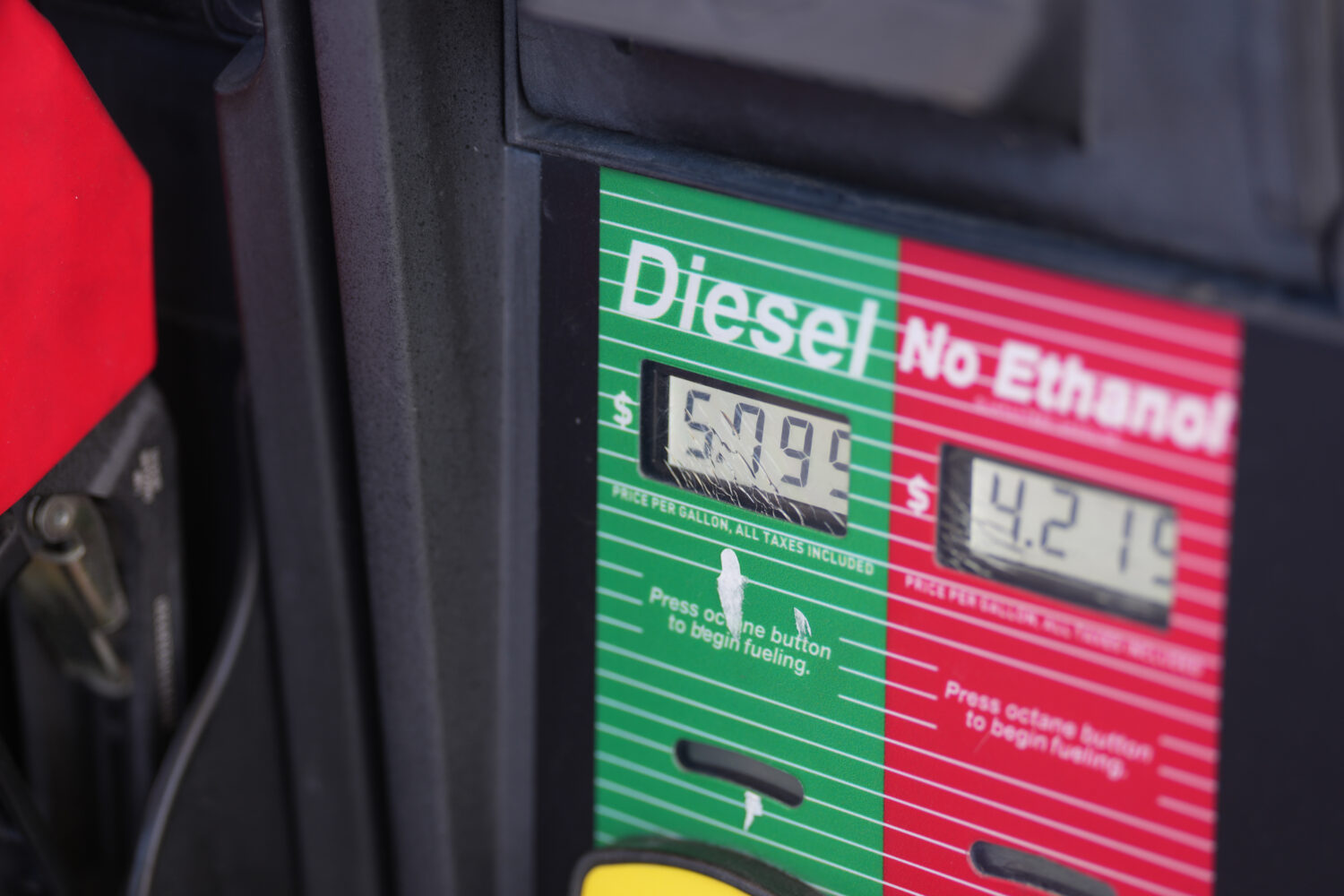
“Major issues, like a power shutdown, and the prices will spike immediately. It’s possible a dollar,” he said. “Those diesel prices that already are above $6 could start approaching $7.”
Other experts said even if the refineries take a hit, the gas price impacts should be minimal.
“We’re talking about potentially under a million barrels a day, probably somewhere in the ballpark of 500,000 barrels a day, of refining capacity,” said Patrick De Haan, head of petroleum analysis at GasBuddy. “That may have a small impact on gas prices, primarily in the Gulf Coast, but I don’t think it rises to a criteria that would impact gas prices nationally.”
Hurricane Isaias already has caused widespread shutdowns in offshore oil production across the region that provides about 15% of U.S. crude.
Personnel from 121 production platforms — about a third of the facilities in the Gulf — were evacuated, according to the federal Marine Minerals Administration.
Almost two-thirds of oil production was shut down, equal to almost 1.3 million barrels (54 million gallons) a day, the agency said. Chevron, BP and Shell were among companies that reported evacuating personnel and shutting platforms.
The storm’s impact on oil and gas prices so far is dwarfed by the effect of the conflict in the Middle East. And once the storm passes, workers will be able to return to platforms in the Gulf and quickly resume operations, barring significant damage.
“I would expect that the shut-in oil production will probably return pretty quickly within just a couple of days,” De Haan said.
Prices for Brent crude, the international standard, were above $104 a barrel Friday. That price has varied between $96 and nearly $110 over the last month driven by uncertainty over the war with Iran.