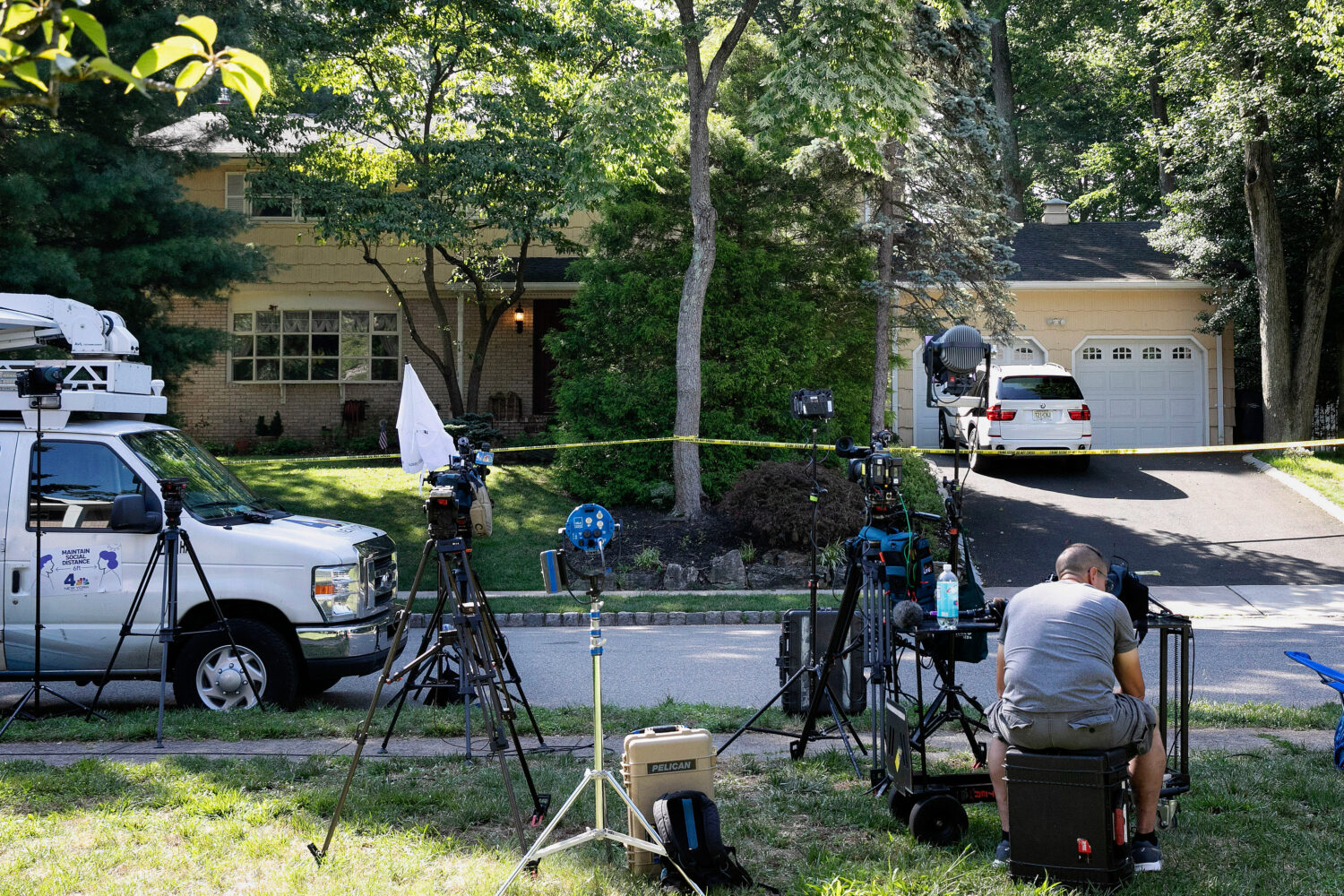
Why bond yields are rising and why everyone should care
Sep 1, 2026, 2:01 PM
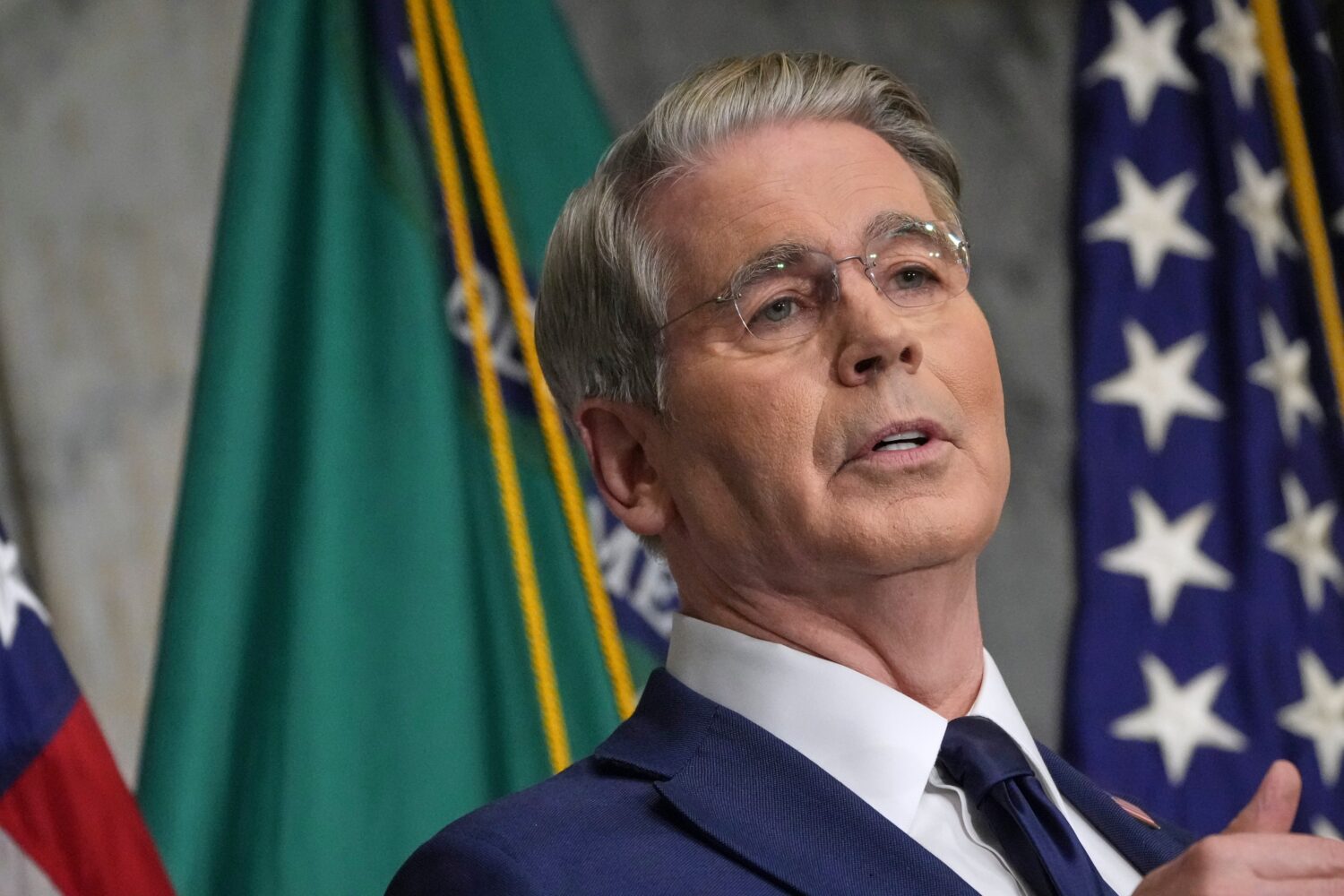
Treasury Secretary Scott Bessent speaks at a news conference, Monday, Aug. 24, 2026, at the Treasury Department in Washington. (AP Photo/Julia Demaree Nikhinson)
Credit: AP Photo/Julia Demaree Nikhinson
(AP Photo/Julia Demaree Nikhinson)

WASHINGTON (AP) — Interest rates on government bonds are rising again around the world, making borrowing more expensive for consumers and businesses and heightening concerns about whether governments are issuing more debt than financial markets can handle.
Rising bond yields are one of the few forces in the world strong enough to get politicians to snap to attention. They can also have a big impact on Americans’ personal finances and on the broader economy. The bond market can dictate how much ordinary people have to pay on their mortgages and car loans, as well as how much they earn from their savings accounts and 401(k) plans.
Fighting has flared up again in the Middle East, causing oil prices to jump and renewing inflation worries. Investors typically demand higher interest rates, or yields, on government bonds when inflation is high or they think it may get worse.
On Tuesday, the yield on the 10-year Treasury, which strongly influences mortgage rates, reached 4.80%, the highest since early 2025. The 5-year Treasury, which is a benchmark for auto loans, touched its highest level since October 2025 at 4.55%.
Here’s a look at what’s going on and how it affects everyone:
In addition to inflation concerns, several other factors are also pushing bond yields higher: Annual U.S. government budget deficits remain higher than they were before the pandemic, forcing the government to borrow more to pay all its bills. Large tech firms are also borrowing heavily to build out the data centers powering AI. And last Friday, Federal Reserve Chair Kevin Warsh signaled that the central bank may still have to lift its short-term rate in the coming months if inflation stays stubbornly elevated.
Rising yields have caught the attention of policymakers around the world, including Treasury Secretary Scott Bessent, who last month announced an unusual intervention in the bond market to restrain rising yields.
Robin Brooks, a senior fellow at the Brookings Institute, said Bessent’s moves and Warsh’s promise to corral inflation have likely kept longer-term rates lower than they would otherwise be and betray a rising concern about where yields are headed.
“You should care because this stuff under the surface is really bubbling,” Brooks said. “And you can tell it is because policymakers are starting to get pretty agitated.”
Yet Bessent downplayed the overall rise in U.S. yields in a conversation Tuesday with Fox Business host Larry Kudlow on the sidelines of the G20 finance ministers’ meeting in Asheville, N.C.
“I don’t think we are in any kind of a dire situation,” Bessent said. He argued that other countries’ bonds have seen bigger yield increases.
When governments and big companies borrow money, they don’t ask a bank for a loan. Instead, they sell IOUs to investors and promise to repay the money with a certain interest rate. If those IOUs are set to be repaid many years from now, they’re called bonds. (IOUs the U.S. government will repay more quickly — within a few months or a few years — are called bills or notes.)
Investors in the bond market often buy and sell these bonds after they’re issued, and they continue to pay the same interest rate. But if the bond starts to look less attractive, a buyer can get bonds that were earlier worth $100 for less than that. Such a drop in price means the new buyer will get a bigger return, percentagewise, on their money than the interest rate the bond pays on its face value. Those payments are called the bond’s yield.
When investors sell bonds, or buy far fewer of them than they did in the recent past, that pushes down bond prices, just like a stock market sell-off causes stock prices to plunge. But when bond prices fall, that lifts bond yields, which move in the opposite direction.
In the 21-nation euro zone, inflation jumped in August to 3.3%, the highest in three years, the European Union’ statistical agency said Tuesday. As a result, investors expect the European Central Bank will boost its short-term rate when it meets next week. Ten-year German bonds have already reached 3.35%, the highest in more than 15 years.
And 10-year U.K. bonds are now paying 5.14%, approaching levels not seen since the 2008-2009 global financial crisis. Rates in Japan are also rising.
Most nations ramped up their spending during the pandemic to support laid-off workers and idled businesses, but haven’t cut back since. Investors may be increasingly worried about how sustainable all the borrowing is, Brooks said, and are demanding higher yields as compensation for taking on what they see as greater risk.
Rising global instability, with ongoing wars in Ukraine and Iran, haven’t helped, Brooks added.
“You’re dealing with a global sell-off which goes back to this kind of global stimulus that we had during COVID,” Brooks said. “The chickens for that are now coming home to roost.”
The easiest example is mortgage rates. Rates for these loans tend to follow the path of 10-year Treasury yields. The average 30-year fixed-rate mortgage is near its highest level in a year, discouraging people already worried the price of homeownership may be too high.
Generally, higher yields and rates benefit people who are savers. It means they are earning more from lending money to the U.S. government or sticking their cash in a high-yield savings account.
Higher yields and rates, meanwhile, tend to hurt people who are borrowing money. They also drag on prices for stocks, gold and even cryptocurrencies. The thought is: Why should anyone pay high prices for riskier investments when U.S. Treasurys, which are supposed to be safer, are paying more than before?
It’s no secret that the U.S. government has a lot of debt. Officials at the Federal Reserve, economists, investors and many other voices have been saying for years that the U.S. government is on an unsustainable path with how much it spends versus what it brings in.
Last month, the Congressional Budget Office estimated the federal government’s budget deficit would top $2 trillion this year, equal to about 6% of the U.S. economy, an unusually high figure outside recessions and wars. The government also said last month that its total debt — the cumulative total of all the deficits — has reached a gargantuan $40 trillion.
The unknown has always been when or if a tipping point would arrive that turns the worries about the U.S. government’s debt into a panic. That would cause investors to quickly dump their Treasurys, which would sent yields surging.
And while yields have climbed, they haven’t done so at such a pace to suggest a tipping point is here.
Importantly, a measure in the bond market that shows how worried bond investors are about potential bond defaults by several big economies’ governments has not risen excessively, according to strategists at Macquarie.