Avalanche season is here: What you need to know before heading out
Jan 12, 2026, 10:45 AM | Updated: 3:34 pm
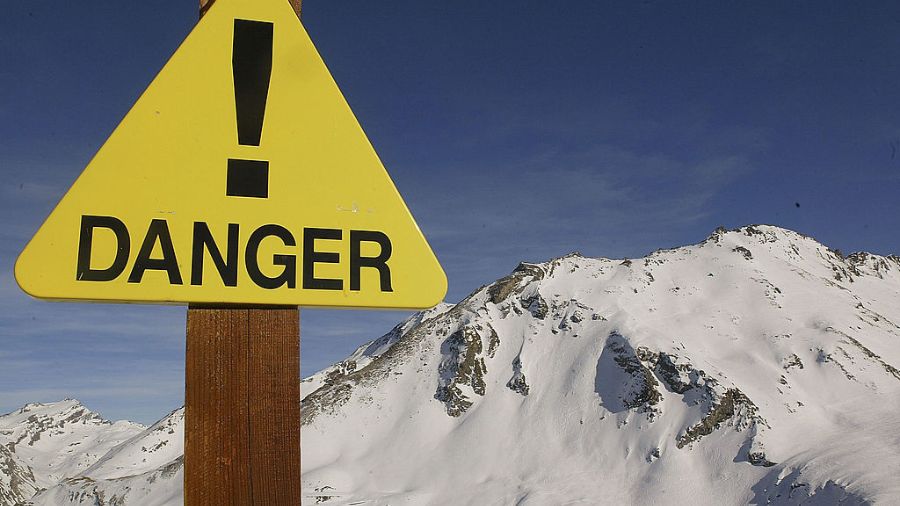
A sign warns about the risks of avalanche. (Photo: Pascal Le Segretain, Getty Images)
(Photo: Pascal Le Segretain, Getty Images)
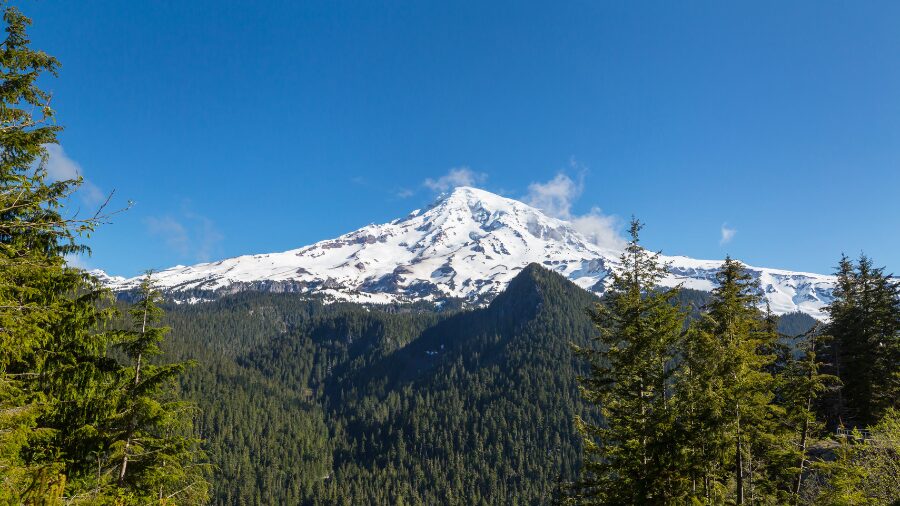
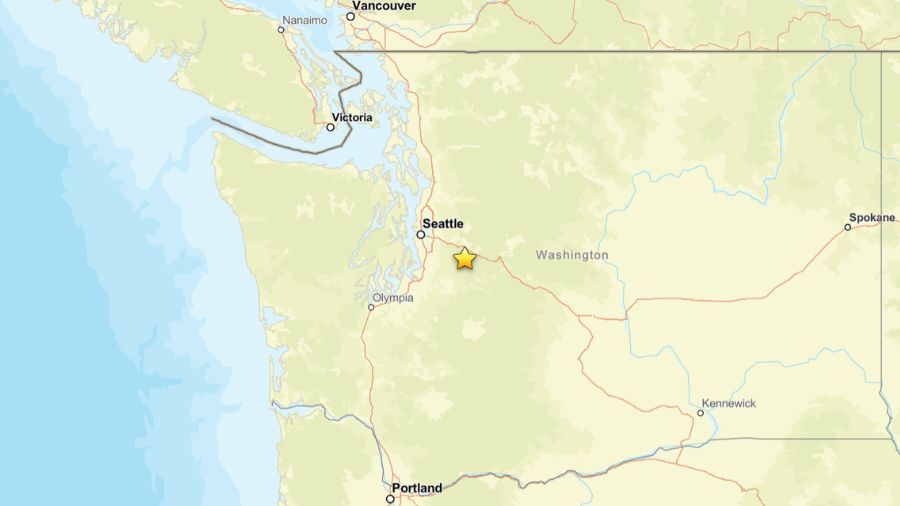
Avalanche season in the Cascades and Olympics is here. This season’s first avalanche fatalities occurred late last week near Mt. Stuart and the Enchantments north of Cle Elum. Two others were in the group, with one suffering injuries.
RELATED STORIES


Environments for avalanches
Avalanches usually are the result of significantly different layers of soft and solid-packed snow. This scenario of disparity can create unstable settings on steep slopes, producing hazardous avalanche conditions.
When heavy wet snow piles up on top of lighter weak snow layers, the top layers of heavier snow become vulnerable to avalanches. Cutting well down into the snowpack, the layers look somewhat like a layered cake. Temperatures in the snowpack and the moisture involved in each snow event can create layers of weakness in the snowpack.
The heavy amounts of snow that piled up in the mountains last week helped create a greater avalanche hazard.
Avalanche triggers can be natural, such as plain old gravity, or skiers, snowmobilers, or other activities can trigger avalanches. In last week’s tragic event, the backcountry skiers apparently and unknowingly initiated the avalanche as they descended from higher terrain.
Avalanches are the second greatest cause of weather-related fatalities in Washington, with an average of close to three people perishing each year. So when the avalanche risk becomes moderate, high, or extreme, avoid avalanche-prone areas. Ski areas maintain well-groomed slopes to reduce any avalanche threat. Beyond ski areas, though, the backcountry is where avalanche danger is greatest.
Highway avalanche control
As hazardous avalanche cycles unfold, Washington State Department of Transportation crews conduct avalanche control. These efforts close Cascade pass highways for a period of time, as crews initiate avalanches and then clear the fallen snow off the roadways, maintaining safer driving conditions.
Current modern highway avalanche control helps reduce the time involved in temporary road closures.
Avalanche safety gear and information
If heading into the backcountry, authorities advise each person to always take an avalanche transceiver, snow probe, and a snow shovel.
For avalanche and mountain forecast information, monitor the Northwest Avalanche Center’s website at nwac.us/ Always know before you go.
Looking ahead
The warm rain on Sunday spoiled the fresh snow of the late week. The rain was absorbed by the snow pack, shrinking snow depths by up to a foot. Some skiers call this snowpack “Cascade concrete,” tougher to ski and enjoy.
Higher pressure aloft is forecast to rebuild over the region starting Tuesday and continue through much of next week. This dry weather pattern promises more sunshine with mild western Washington high temperatures generally in the 50s and lows ranging from the mid-30s to mid-40s.
Yet, this warmer, drier weather pattern does not bode well for additional mountain snow this week and likely extending into next week. In addition, freezing levels are expected to rise above 10,000 feet.
Ted Buehner is the KIRO Newsradio meteorologist. Follow him on X and Bluesky. Read more of his stories here.