‘Godzilla El Niño’: What a potentially historic weather pattern means for western Washington
Sep 4, 2026, 3:21 PM
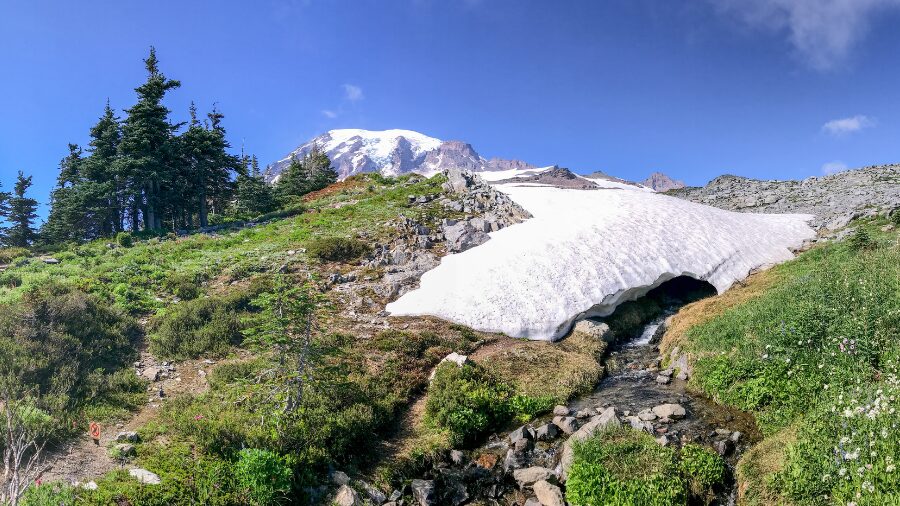
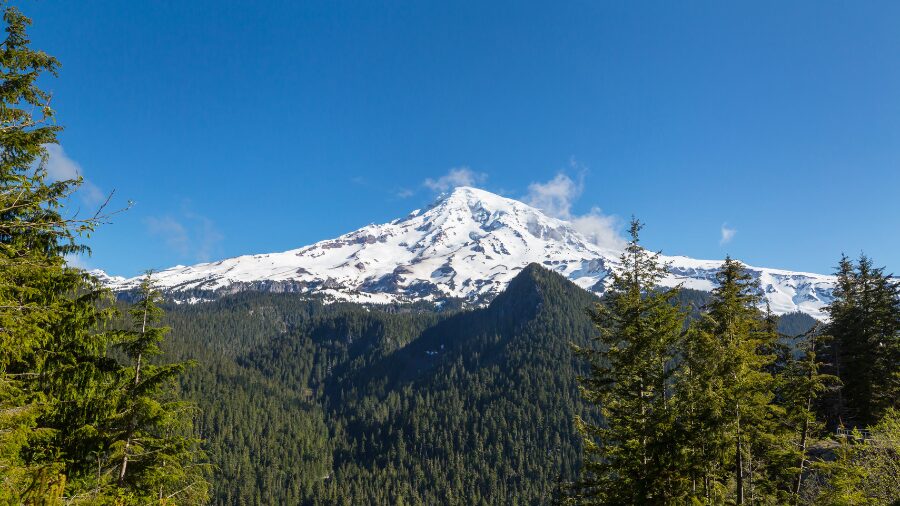
A panoramic view of Mount Rainier. (Photo: PedaltotheStock via Envato)
(Photo: PedaltotheStock via Envato)
From the United Nations to local forecasters, concern is growing about a potentially historic weather event — and what it could mean for western Washington’s water, power, and fish.
An El Niño pattern means warmer-than-normal water in the tropical eastern Pacific. That’s the engine that can affect weather worldwide, and this year, it’s trending dangerously hot.
“That’s why you’re hearing more and more about Super El Niño or Godzilla El Niño, whatever term you want to throw at it,” KIRO Newsradio Meteorologist Ted Buehner said.
The United Nations is warning of the potential for extreme weather due to what could be an extremely strong El Niño.
RELATED STORIES
What the El Niño means locally
The global pattern has direct implications for western Washington.
“More often than not, El Niño leads to warmer-than-normal conditions across the northern U.S., including here in western Washington,” Jacob DeFlitch, a meteorologist at the National Weather Service in Seattle, told KIRO Newsradio.
A warmer winter may sound appealing, but it carries serious consequences. A super strong El Niño could lead to low snowpack, and snowpack is critical to the region’s water supply.
Karin Bumbaco, deputy state climatologist at the University of Washington, told KIRO Newsradio the snowpack “sort of acts like a water bottle, where it saves that water for us, and then slowly melts in the spring and summer, and produces water supply for farms, people, fish.”
Without it, the cascading effects hit hydropower, drinking water, and fish populations.
“What are we going to do for water for hydroelectric generation, fish, water supplies just for you and I to drink?” Buehner said.
Sea level rise is also a concern
The weather pattern could also cause substantial sea level rise along the entire West Coast, a particular concern during winter storms and high tides.
“Even at Alki Beach, for example, where El Niño years, there tends to be more localized flooding,” Bumbaco said.
What’s next
Forecasters are saying this is shaping up to be one of the strongest El Niños on record, and the impacts for western Washington could be significant.