Global ocean temperatures set new record as developing El Niño adds heat to decades of warming
Sep 16, 2026, 5:32 AM | Updated: 4:01 pm
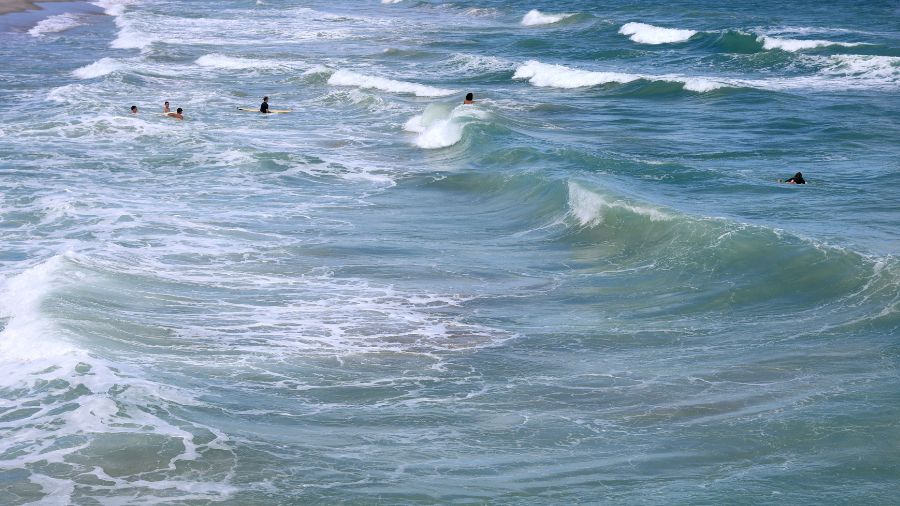
Surfers enjoy the waves in the Atlantic Ocean. (Photo: Joe Raedle, Getty Images)
(Photo: Joe Raedle, Getty Images)
A recent report highlighted that global ocean temperatures set a new record on Aug. 22 this year with an average reading of 21.1 degrees Celsius (C) or 69.98 degrees Fahrenheit. The Copernicus Climate Change Service in Europe confirmed the record, topping the previous record of 21.09 C set in March 2024.
This daily record follows a series of monthly sea surface temperature records or near-records observed so far this year.
For example, this new record average high temperature for the world’s oceans comes after June experienced its hottest record of 20.98 C, breaking the previous monthly records set in 2023 and 2024.
This string of new records underscores the ongoing warmth witnessed across much of the global ocean. These ocean temperatures are an average of all waters from the tropics to near the Polar Regions.
The new August daily record is primarily being driven by the developing strong El Niño in the Eastern Pacific tropical waters, west of Peru. The latest sea surface temperatures in that region continue to rise.
Officials from the National Weather Service’s Climate Prediction Center (CPC) in a post on the CPC website highlight that El Niño is expected to continue to strengthen through the end of this year, with a 75% chance of a historic event that would top all previous El Niño events dating back to 1950.
Samantha Burgess, Strategic Lead for Climate at the European Centre for Medium-Range Forecasts (ECMWF), said, “This record is another clear signal of an ocean under growing stress. El Niño is adding heat to the system, but it is doing so on top of decades of human-driven warming. As ocean temperatures continue to rise, the risks to marine ecosystems and coastal communities also increase. The consequences are already visible: the number of marine heatwave days globally has more than tripled since the early 1990s, putting increasing pressure on marine ecosystems and the communities that depend on them.”
RELATED STORIES



Impacts
The continued warming of ocean temperatures has many impacts, some being experienced already today. For instance, the Eastern Pacific tropical water region has had 15 named tropical cyclones so far this year, the latest being Norbert, now east of Hawaii but currently decreasing in strength. The Aloha State has had two of these tropical cyclones impact the islands twice this year with strong damaging winds, heavy rainfall amounts, and significant flooding.
The much warmer oceans also release more moisture into the atmosphere, raising the chances of stronger storms, heavier rainfall events, and flooding. Parts of the U.S. have experienced a greater number of flood events, including flash floods and urban flooding thus far this year.
Warmer ocean temperatures also have an adverse impact on coral reefs located in tropical regions. Coral reef bleaching and die-offs in turn disrupt the marine food chain as well as the fishing and aquaculture industries.
In addition, warmer ocean waters contribute to sea-level rise through thermal expansion. To witness this phenomenon as a fun at-home experiment, put water in a coffee cup and note the level of water in the cup. Place the cup in a microwave at high power for a minute. Upon removing the cup from the oven, note how the water level is higher. That is thermal expansion of water.
Thermal expansion of ocean waters is already creating flooding of low-lying coastal areas around the world. An example is along parts of the east coast of Florida during high tidal periods. With no storms in the region, locals in Florida call this sunny-day flooding.
Another impact from warmer oceans is that the waters become less efficient at absorbing carbon dioxide from the atmosphere, weakening one of the globe’s most important natural buffers against our warming planet.
Warmer ocean waters exacerbate storm intensity, increase the amount of heavy rainfall and flooding events, and put additional strain on marine ecosystems around the world. Scientists will continue to monitor global ocean water temperatures and the impacts.
Ted Buehner is the KIRO Newsradio meteorologist. Follow him on X and Bluesky. Read more of his stories here.