After hottest US summer on record, KIRO Meteorologist says ‘good odds’ next year will be even worse
Sep 10, 2026, 6:20 PM
The summer of 2026 is officially the hottest on record in the contiguous United States, surpassing a mark that had stood since the Dust Bowl of 1936.
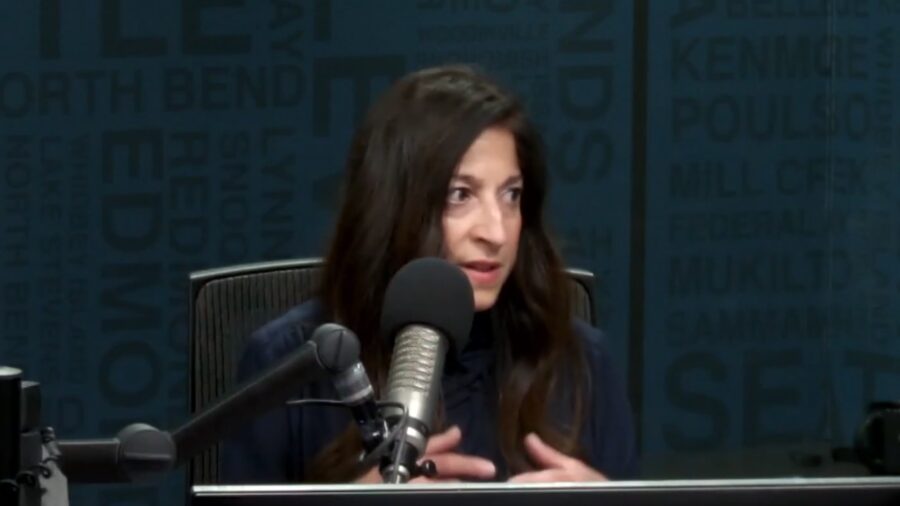
KIRO Meteorologist Ted Buehner told “The Gee and Ursula Show” on KIRO Newsradio that the trend isn’t slowing down.
When asked whether next summer would be even hotter nationwide, Buehner responded, “Good odds that will be the case, yes.”
“Our planet is warming up, and it has been since the 1960s, and it’s really accelerated here so far this century,” he added.
Seattle had the best summer weather in the country
Buehner said that while heat waves pounded most of the nation, the Pacific Northwest was largely spared.
“We had the best weather anywhere in the Lower 48 this past summer. It really has been fine here,” Buehner said. “But how many times did we hear about a heat wave going on east of the Rockies, with record heat? And when we get warm like that, that air mass can hold more moisture. How many times did we see flooding and flash floods and roads washed out?”
He credited the Pacific Ocean for keeping the region moderate.
“The Pacific Ocean keeps us milder during the winter and cooler during the summer,” Buehner said.
Gee said his recent trip to Chicago drove the point home. Temperatures hit the low 90s, but the humidity made it feel well past 100.
“It actually had me rethink some things because I keep saying, ‘I’m going to retire and leave this area and go somewhere else,'” Gee said. “And then I go somewhere else like Chicago, or you go to L.A., or you go visit your family in the South, and you’re like, this place really does have the best weather in the country.”
The numbers tell the story
Buehner laid out the trend in Seattle-specific data. Since 2015, the city has averaged eight days at 90 degrees or above per year. This year it had four, which sounds mild until you compare it to the 20th-century average.
“You go back to the 20th century, we average three days of 90 degrees or better,” Buehner said. “So you look at that trend since 2015 to today, and that’s the case here in the Seattle area.”
The National Oceanic and Atmospheric Administration (NOAA) reported that summer 2026 in the Lower 48 averaged 74.37 degrees, nearly four tenths of a degree warmer than the 1936 record. August alone smashed records by more than half a degree, with an average daytime high of 88.56 degrees.
RELATED STORIES


Wildfires aren’t going away
Gee asked Buehner whether the warming trend is making wildfire season worse. Buehner didn’t sugarcoat it.
“If I’m looking at Zoom Earth right now and overlaying all the wildfires that we currently have, there’s still dozens of them,” Buehner said. “The cooler weather lately has helped suppress that fire activity, and they’re making progress. But we’re going to be dealing with wildfires and wildfire smoke, and we have been for the past decade.”
Washington is closing in on 1 million acres burned this year as drought fuels one of the state’s worst wildfire seasons on record.
Watch the full discussion in the video above.
Listen to Gee and Ursula on “The Gee and Ursula Show” weekday mornings from 9 am to 12 pm on KIRO Newsradio.