Southern California has received more rain than Western Washington
Apr 25, 2024, 6:55 AM

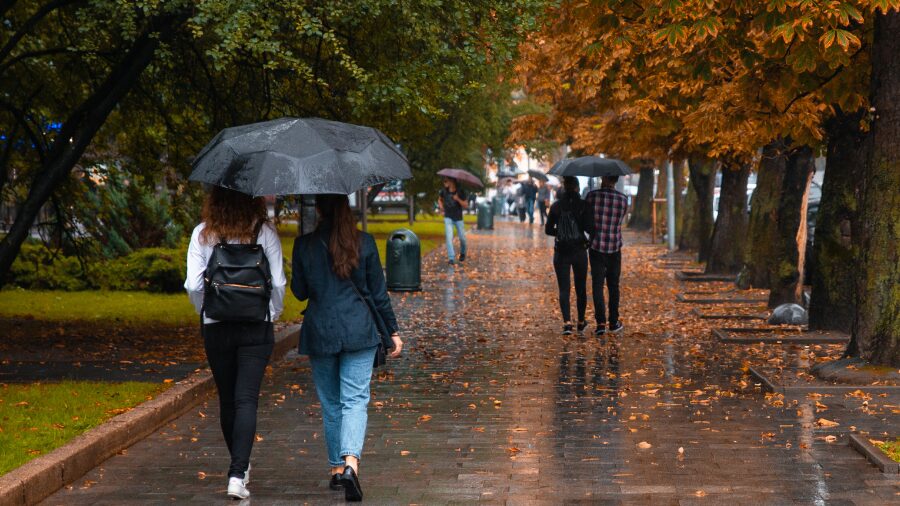
Light reflects off of wet pavement as a couple walk together under an umbrella in the rain in Long Beach Wednesday, March 6, 2024. (Photo: Allen J. Schaben, Getty Images)
(Photo: Allen J. Schaben, Getty Images)
Rain, rain, go away, come back another day. This British nursery rhyme was sought by many in Western Washington this winter and they got their wish. So much so that Southern California — a region that just endured a three-year drought from 2020-22 — has received more rain than Western Washington.
So far this year, Seattle-Tacoma International Airport (SEA) has received 12.9 inches of rain, about three-and-a-third inches below normal. Meanwhile, downtown Los Angeles has measured 18.8 inches in their rain gauge – more than nine inches above normal. Long Beach, California has had 18.7 inches of rain, nearly 11 inches over their average so far this year.
Northern California has been quite wet and rainy as well. San Jose is approximately four-and-a-half inches above normal rainfall while San Francisco is two inches above average. Western Oregon has retained its rusty reputation as Medford, Eugene and Portland all are about two inches wetter than normal.
More from Ted Buehner: Will a ‘Heat Dome’ be part of the upcoming Seattle summer?
This past winter season involved El Niño, which tends to steer the North Pacific storm track toward California instead of further north into the Pacific Northwest. The result has much of California and Western Oregon dripping with rain while Western Washington saw more cobwebs than precipitation.

(Graphic tracking El Niño patterns in winter and spring)
California’s snowpack is just as impressive
The mountains saw a difference too. The Sierra Nevada mountain range in California received its greatest amount of snow since 1952 according to the state water resources department. As of mid-April, the Lake Tahoe area snowpack was up to 200% of its average for this time of year.
Meanwhile, the Washington Cascades and Olympics finished this winter season’s snowpack well below average in the 60-90% range. Thanks to the more limited winter rainfall and mountain snowpack, the Washington Department of Ecology (DOE) declared a drought emergency for much of the state last week. The declaration releases additional state resources to address what will likely be limited water assets heading into this summer and fall for agriculture, power generation, fish, water consumption, and more.
Have the drought conditions in the southwestern U.S. ended? The latest Drought Monitor indicated a lot of progress has been made in California. However, further inland in Arizona and beyond, more precipitation is needed as drought conditions persist.

(Graphic tracking drought levels through mid-April 2024)
One measure of the status in the desert Southwest is Lake Mead near Las Vegas. It reached all-time low water levels in 2022 and has rebounded since thanks to recent regional precipitation. Yet, it still has a long way to go to reach “normal” levels. Currently, Lake Mead is about 155 feet below having a full reservoir behind Hoover Dam.
More on Puget Sound region weather: This week’s weather includes meteor showers, a pink moon, near-70-degree days
After reaching around 70 degrees in much of the interior of Western Washington Tuesday, a change in the weather pattern has begun. Much cooler and wetter weather is in store for the rest of this month and is likely to extend into the first week of May. Rain is expected at times through this period, cutting into the rainfall deficit.
Yet the latest seasonal weather outlook stacks the odds in favor of warmer and drier-than-average conditions into September, following this current cool spell. In addition, long-term projections point to a return of La Niña for this coming winter season. La Niña is when the North Pacific storm track spends much more time sending storms into the Pacific Northwest for cooler and wetter than average conditions.

(Graphic tracking La Niña patterns in winter and spring)
La Niña also usually generates an above-average mountain snowpack, good news for snow enthusiasts as well as water managers heading into 2025.
Ted Buehner is the KIRO Newsradio meteorologist. You can read more of Ted’s stories here and follow him on X, formerly known as Twitter.