SEATTLE NEWS ARCHIVES & FEATURES
Washington ACLU: Facial recognition is outpacing our ability to regulate
Apr 12, 2019, 4:58 PM | Updated: 5:27 pm
(Pexels)
(Pexels)
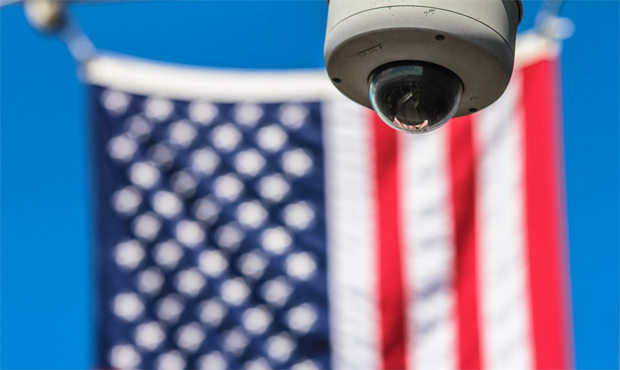
Facial recognition technology is fast approaching the stuff of science-fiction, and for those in the ACLU, there are concerns that its capabilities are quickly outstripping our ability to set up ground rules for its uses.
RELATED: Amazon’s plans for facial recognition doorbell concerns ACLU
RELATED: Cops now using facial Rekognition for shoplifters
“We did a public records request in several states for law enforcement agencies, and we found at least a couple of agencies that were using facial recognition in public spaces without any suspicion, without a warrant,” Washington State ACLU Director Shankar Narayan told The Candy, Mike and Todd Show. “In other words, you could be subject to facial recognition just for walking around in a public place, and that seems very problematic to us.”
The technology as it exists right now has proven difficult both to perfect and legislate. Amazon has faced criticism for its own facial recognition technology — used by police and Immigrations and Customs Enforcement — and its shortcomings in identifying light-skinned women and darker-skinned individuals.
That being so, Narayan paints a picture of a future with an imperfect technology that functionally discriminates based on race and gender.
For example, imagine facial recognition incorporated into a police body camera, that gives the officer a score based on analyzing someone’s face as to whether they’re dangerous or not. That officer making a life or death decision based on that technology, which again, we know may not be accurate, and is actually less accurate for people of color, for women, and for other vulnerable groups. So that’s the kind of world that we’re kind of taking a headlong leap into.
The legislative approach to facial recognition technology is happening as we speak, with a data privacy bill moving through the state Legislature. That bill, according to Narayan, was largely written by the people who make the technology itself.
To him and those at the ACLU, that in turn poses the issue of allowing the creators of this technology free rein to determine its limitations, or lack thereof.
“There’s really no control over the technology right now,” cautioned Narayan. “Our recommendation is to get out ahead of the technology, rather than let it proliferate into the wild and then figure out what goes wrong after the fact.”
What’s being considered in the Legislature right now would essentially allow facial recognition to function in public places, with a placard denoting that walking into a building is akin to giving consent to the technology’s use.
Narayan pointed out the issues for places like grocery stores in small towns, where people are essentially left no alternatives if that store is using facial recognition.
“It really does go to show that we need to have a conversation about where we want to have facial recognition, where it’s appropriate, and where it’s not.”
Follow @http://twitter.com/Mynorthwest