Turkey’s final draft at UN climate talks doesn’t mention the fossil fuels that cause global warming
Nov 21, 2026, 8:01 PM | Updated: Nov 22, 2026, 4:10 am

ANTALYA, Turkey (AP) — The newest and possibly final agreement to come out of United Nations climate talks doesn’t contain the words “fossil fuels,” the chief cause of global warming, or specifically call for a move away from climate polluting coal, oil and gas.
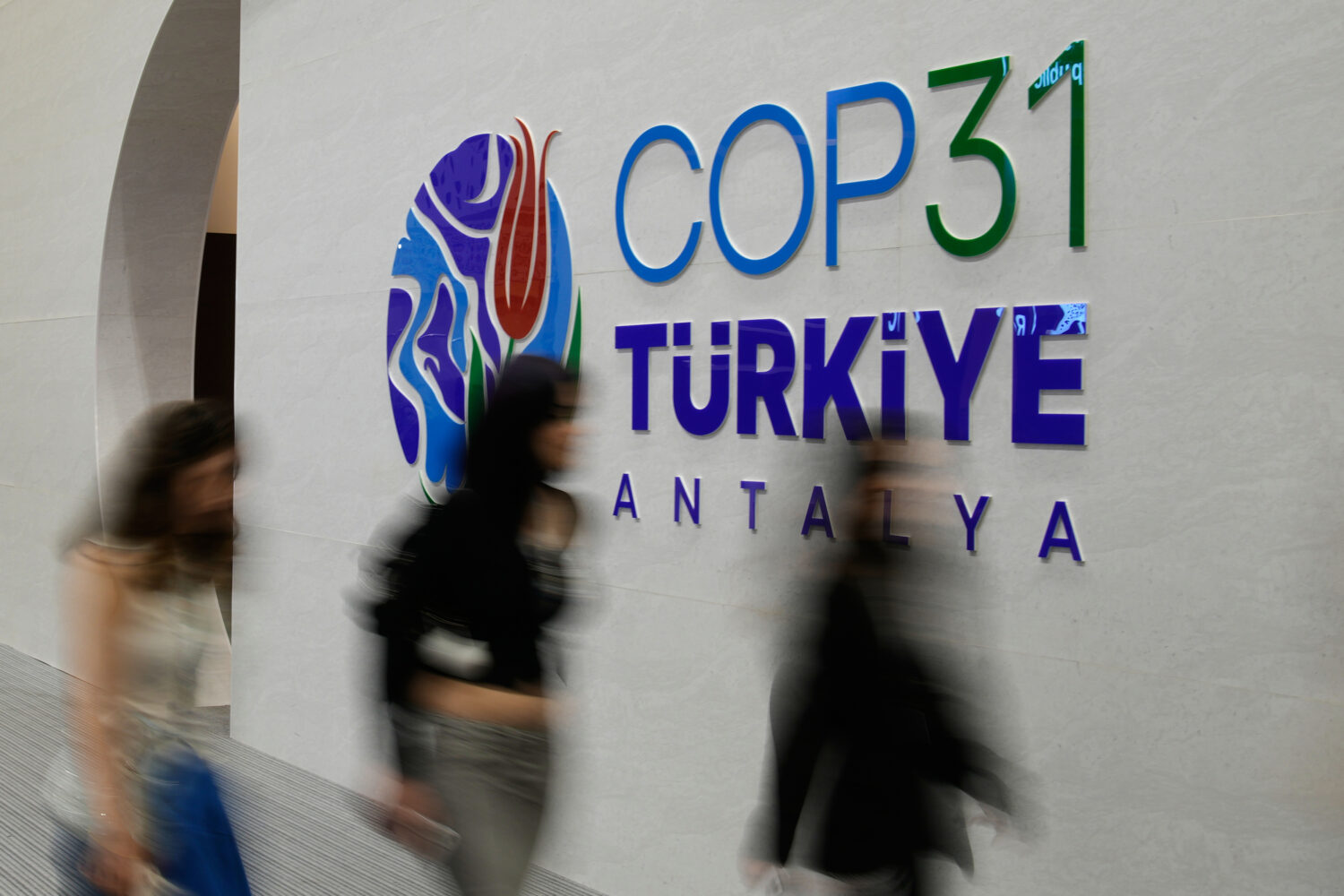
The draft from Turkish Environment Minister Murat Kurum, co-president of the two-week conference in Antalya, Turkey, called COP31, was released in the early hours of Sunday morning.
Kurum gave negotiators only about three hours to make objections or request changes before the draft is presented to what may be the summit’s final meeting, where countries will either accept, reject or express their reservations about the agreement.
“We are at a very critical point, and our goal is to reach a conclusion here,” Kurum said Sunday, following back-to-back delays to the meeting. “If there is genuine sincerity — if there is a real desire to get something done — I believe it can be achieved in this plenary.”
Several nations have made serious objections to the draft, which needs near-unanimous consensus for approval.
The proposal does include a specific goal on supporting technology that captures carbon pollution and stores it, which is hotly debated and backed by the oil industry.
Since the draft went public after 3 a.m., negotiators and activists did not immediately respond to the latest version. The conference, scheduled to end Friday, is now in double overtime.
Organizers worry that as negotiators depart Antalya there may not be enough delegates left in the room to pass the draft.
Panama has vowed to formally object to a final agreement that doesn’t put a cap on oil production, acknowledge failing goals to limit warming and beef up finance for nations to adapt to climate change, among other demands. Panamanian Environment Minister Juan Carlos Navarro said the talks were being held hostage by a “petroleum mafia” and need to be reformed.
Fossil fuels went unmentioned in COP final decisions for more than 25 years, said Alden Meyer, with the think-tank E3G. However, the “transition away from fossil fuels” was agreed to in Dubai in 2023, he added.
“It would be a real setback if we come out of here with no signal that we were serious about what we agreed to do three years ago,” Meyer said.
The proposed COP31 final agreement references the Dubai agreement, but key words — fossil, oil, coal or phase out — do not appear anywhere in the 10-page text.
The draft does include supporting the highly-debated process of carbon capture and storage, with a specific goal of capturing, reusing and storing 1 billion metric tons of carbon. The proposal is aimed to help industrial polluters, who can’t easily switch to renewables, find a way to capture the carbon dioxide in their emissions and then find a way to bury it.
Carbon capture and storage could be used as an excuse to continue investing in fossil fuels, climate experts have warned.
“Fossil fuels are the root cause of climate change and there is no plausible pathway to limit climate overshoot without rapidly phasing them out,” said Rachel Cleetus of the Union of Concerned Scientists.
Turkey’s cornerstone electrification goal is included in the draft agreement.
It calls for countries to increase the share of electricity in the total final energy consumption from about 21% today to 35% by 2035. This would need nations to commit to measures, like switching transportation — such as cars, trucks and planes — from gas to electricity and using electricity instead of coal to make industrial products.
Climate activists are demanding that the agreement spell out that the electricity should only come from renewable energy, such as wind and solar. They argue allowing electricity powered by fossil fuels would defeat the goal’s purpose of lowering emissions.
“Electrification that runs on coal and gas does not limit warming,” said Bill Hare, CEO of Climate Analytics.
Climate vulnerable nations want the final agreement to include more details on past pledges to increase financial aid to poor countries to help them adapt to a warmer world.
Previous COP summits have mentioned tripling funding for this, but never created an explicit financial baseline.
Climate change has intensified disasters this year, like Europe’s deadly heat waves and Nepal’s devastating flooding.
“Floods and heat waves won’t wait,” said Harjeet Singh, founding director of the Satat Sampada Climate Foundation. “Rich countries are offering a conversation instead of cash.”
Deliberations in Turkey continued on Sunday, nearly 40 hours past the official deadline for the talks. Next year’s climate summit is scheduled to take place in Ethiopia’s capital, Addis Ababa, in November 2027.
“It’s been a bit of a rocky road and I think took a lot longer than was expected to get close to a conclusion here,” said David Waskow, international climate chief at the World Resources Institute. ___
Borenstein reported from Kensington, Maryland, Delgado from Bangkok and Arasu from Bengaluru, India.
___
The Associated Press’ climate and environmental coverage receives financial support from multiple private foundations. AP is solely responsible for all content. Find AP’s standards for working with philanthropies, a list of supporters and funded coverage areas at AP.org.