Virologist: Distribution of COVID vaccine bigger issue than supply
Jan 12, 2021, 12:07 PM | Updated: 12:09 pm

A nurse administers a COVID vaccine at the University of Washington Medical Center in Seattle. (Photo by David Ryder/Getty Images)
(Photo by David Ryder/Getty Images)
The United States is just about one month into the mass COVID-19 vaccination campaign, and the main problem so far appears to be distribution.
The Trump administration and Health and Human Services Secretary Alex Azar shifted gears Tuesday to speed up the delivery of doses, suggesting that all the doses go out now rather than reserving second doses. Secondly, the new recommendation is for states to start vaccinating other groups that are lower in the priority scale, including people who are 65 older and younger people with certain health problems.
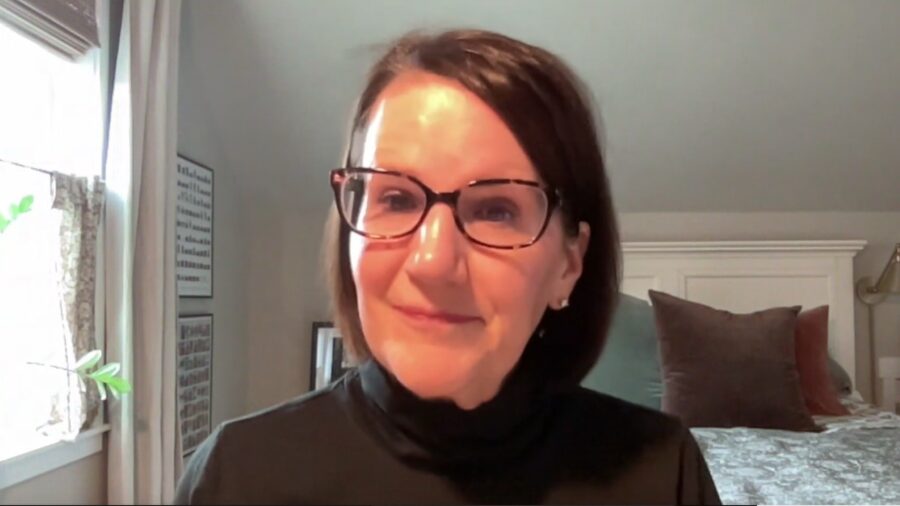
“I think in some part those changes are due to the fact that president-elect Biden announced that he basically planned to do the same thing once he was inaugurated,” Dr. Angela Rasmussen, virologist with Georgetown University, told KIRO Radio’s Gee and Ursula Show. “So to a certain degree, this is just moving that timeline up by a week.”
“I think that it’s probably the right thing to do, but more importantly, it doesn’t address the problems that we’re still having, and that is that we currently have millions of doses of vaccines that have been allocated to states, that are ready to be given to people, and that are not being given to people,” she added. “We’re having a major problem with distribution more than we’re having a problem with supply right now. If we can overcome those distribution problems then, yes, it’s absolutely going to be beneficial to increase supply while simultaneously ramping up manufacturing of those second doses.”
While it has been brought up to give people only one dose in order to get more vaccinations done sooner, Dr. Rasmussen says that isn’t really being seriously considered at this point.
“This has been brought up as something we could do to potentially stretch vaccine supplies. I personally oppose that, as do many others, because it simply hasn’t been tested,” she said. “We only know efficacy with two doses. But some recent information just came out today, announced by the World Health Organization that the Pfizer vaccine … has no impact on efficacy if you delay the second dose for up to six weeks. So that effectively doubles the time that people have with that particular vaccine to get the second dose, and have the vaccine remain effective.”
It is also known that there is some protection from just the first dose about two weeks after you get the shot for both Pfizer and Moderna, she explained.
“So I think it’s reasonable to say that, OK, given this information, we’ll delay the second dose by a couple weeks for some people. And in the meantime, we’ll get the manufacturers to ramp up the supply,” Rasmussen said. “But again, this doesn’t address the problem that we’re having that’s actually before this — the real bottleneck right now is distribution. We’re not getting the vaccines that we have already into people’s arms. So I think that we really need to address that first before we start worrying about these other things, while simultaneously ramping up manufacturing and making a plan to get as many people vaccinated as possible.”
Advice for those hesitant about the vaccine
Washington state is number three in the country when it comes to the percentage of adults who are willing to take the vaccine at just over 50%. However, 25% of adults here say they would refuse, including some health care workers.
“So this is not surprising. I mean, it’s disappointing, and it’s a huge challenge, and it’s worrisome for the long-term impact of the vaccines because what we do know about what the likely herd immunity threshold is, is that it’s probably fairly high,” Rasmussen said. “And we know that from places like Manaus, Brazil, where the virus has infected upwards of 70% of the population and is still spreading.”
“That suggests that in order to get to the herd immunity threshold, which is the number of people who are immune, that can effectively reduce transmission in the community, is probably at least 75%, if not higher,” she added. “So we really need everybody who is eligible to take a vaccine to take it eventually.”
For those who may be hesitant or skeptical, Dr. Rasmussen does not think they’re beyond convincing. She believes that it’s on her and her colleagues in the scientific community to “try and win hearts and minds.”
“I think that starts with listening to what people’s concerns are and trying to address them as best as we can in an evidence based way,” she said.
Guest host Draze has admitted to be willing to allow others to take his place or jump in front of him in line for the vaccine. Dr. Rasmussen answered his questions and responded to his concerns on air, including a discussion of all the known side effects so far.
While there is certainly still more to be learned about rare side effects, most people are only experiencing a sore arm at the injection site. Some have had flu symptoms, which only last a day or two and can be helped with over the counter medications. There have been rare cases of allergic reactions, but all have been treated as the vaccine is mostly given in a hospital or clinic where they can receive immediate care.
“It’s worth noting, though, that the majority of people don’t have these severe side effects,” Rasmussen said. “Some people do, it’s unpleasant, but you have an even better chance of not really having any side effects at all besides some soreness at the injection site. … I personally would take these vaccines, given these safety profiles.”
Listen to the Gee and Ursula Show weekday mornings from 9 a.m. – 12 p.m. on KIRO Radio, 97.3 FM. Subscribe to the podcast here.