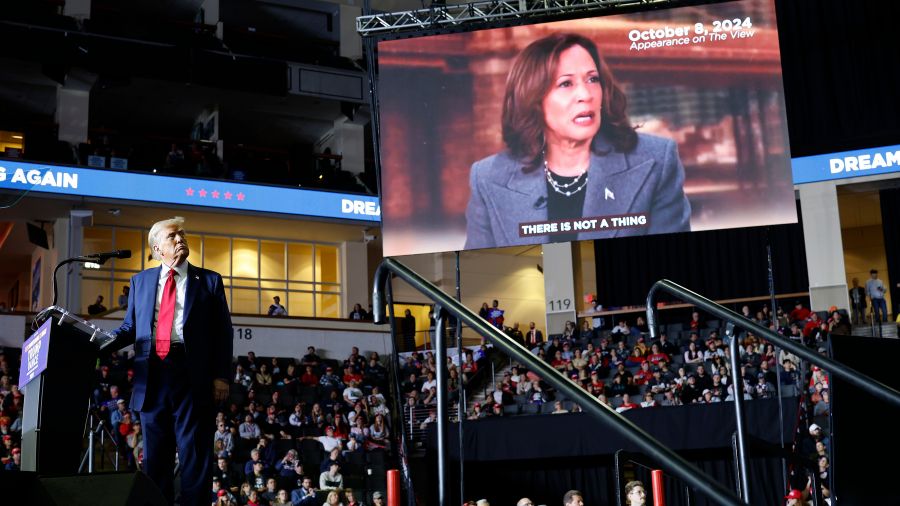
Ross: Why fact-checking can’t save us from fake news
Aug 28, 2019, 8:34 AM | Updated: Aug 29, 2019, 12:42 pm
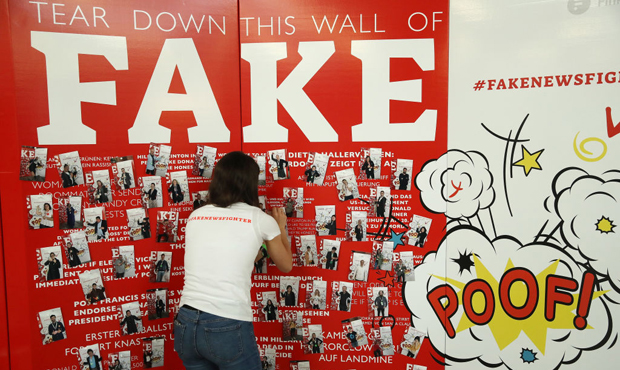
Fake news continues to proliferate. (Photo by Sean Gallup/Getty Images)
(Photo by Sean Gallup/Getty Images)
God bless fact-checking, but the latest research shows it can’t save us.
Ross: It’s up to us to battle social media manipulation
I talked with Dr. Linda Levine of UC Irvine. She studies social behavior, and just released her research on the Irish abortion referendum of 2018. It was a very emotional campaign, and it was perfect for her experiment.
A week before the vote, her team got 3,000 voters to complete an online survey about six news events that happened during the campaign. But what the test subjects weren’t told was that four of those events had really happened, while two were fabricated.
The survey asked each subject to describe how they’d heard about the news event and how it made them feel.
It turns out almost half of the subjects claimed to remember news coverage of at least one of the phony events, especially if it conformed to their beliefs.
They had detailed memories of how and where they’d heard these stories, even though they didn’t actually hear them, since the stories were fake, and there was no news coverage.
UW scores $5 million for new center studying fake news
Dr. Levine concludes that it is frighteningly simple to plant fake memories that seem real, and fact-checking, makes it worse, because every fact-check begins by repeating the falsehood being checked.
“When you repeat information, even if you’re repeating it to say this didn’t happen, that can make the information more familiar,” she said.
And therefore even more believable. Oh well.
-
 Tune in to KIRO Newsradio weekdays at 5am for Dave Ross on Seattle's Morning News.