UW study: Traces of illegal drugs are lingering on public transit vehicles
Sep 7, 2023, 6:47 PM | Updated: 8:00 pm

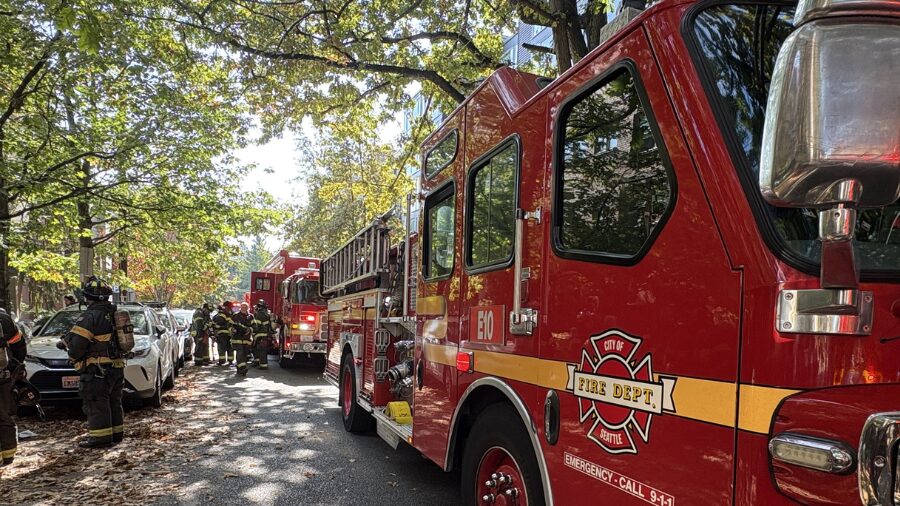
The Sound Transit SODO station. (Photo: James Lynch, KIRO Newsradio)
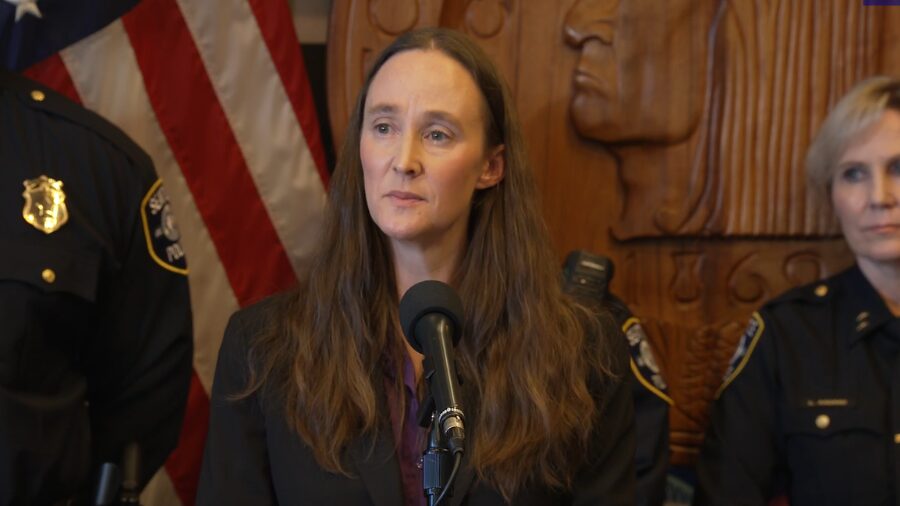
(Photo: James Lynch, KIRO Newsradio)
A new study confirms illegal drugs are being used on Pacific Northwest public transit, and traces of those drugs are sticking around in those vehicles.
University of Washington (UW) researchers looked at air and surface samples from 11 buses and 19 train cars over 28 nights and they detected fentanyl in about 25% of the air samples and 46% of the surface samples taken from busses and trains.
Methamphetamine turned up in nearly all of the samples, including 100% taken from the air.
But as project co-lead Marissa Baker, Ph.D., noted, “At the levels seen in this study, there’s no clinical evidence of acute medical conditions that would result from these passive exposures.”
“Metro and transit vehicles are perfectly safe,” King County Public Health Director Faisal Khan said.
Khan spoke at a news conference Thursday virtually flanked by representatives of the five transit agencies that commissioned the study: Sound Transit, King County Metro, Community Transit, Everett Transit and TriMet of Oregon.
Transit workers have been urging the agencies to crack down on passengers who use illegal drugs, stating their worries that the acrid smoke from burning fentanyl could put them and their passengers’ physical and mental health at risk.
Baker stressed it’s unclear what the long-term risk is to transit workers, but she added, “Even at a level that is considered ‘safe,’ it can still be stressful to see drug use in your workplace.”
More public transportation news: Community fights Sound Transit’s plan to remove hundreds of trees
Given that assessment, the study notes via an article on the UW website that, “further consideration should be given to daily secondhand exposure experienced by operators and its potential for long-term health effects, which have yet to be established by evidence-based research.”
“Operators are different from the riding public because operators are exposed for a much longer time period,” said Marc Beaudreau, a research industrial hygienist in the UW Department of Environmental & Occupational Health Sciences. “The potential long-term health effects associated with daily exposure have not been adequately researched, so until these relationships are established, we’re suggesting protective measures that transit agencies could implement to keep operators safe.”
Researchers also emphasized the need to consider operators’ mental health, especially for those in recovery or who may have experienced trauma related to drug use.
To help reduce the potential for any secondhand exposure, the study recommends improved ventilation and air filtration, enhanced cleaning practices, and training for operators on agency protocols around substance use with transit vehicles and other related topics, the UW article explains.
Several of the agencies added they are deep cleaning buses and trains and upgrading ventilation systems.
Last year, Erik Christinsen, who’d been driving Metro Transit buses for 22 years, told the late KIRO Newsradio talk show host Dori Monson that seeing the constant drug use was taking its toll.
“It was stressing me out,” Christinsen said. “I was losing sleep. Now I have a decent route, and there are so many, many wonderful people on my route. I removed myself from the immediate problem of seeing the drug use.”
From the Dori Monson archives: Metro driver worries about bus passengers’ exposure to secondhand drug smoke
The five transit agencies sought to reassure their employees and the public that they’re increasing security.
Sound Transit CEO Julie Timm said Sound Transit has already begun to remove passengers who are using drugs, and is encouraging staff and passengers to call security if they see illegal activity, “so security can meet them in real time in place and remove people violating the law.”
Contributing: Steve Coogan, MyNorthwest
Follow @http://www.twitter.com/heatherbosch