Harger: When death on the street becomes normal, something is broken
Sep 17, 2025, 6:37 AM
A man died on a Portland sidewalk Sunday, sitting curled in the middle of the pavement, eyes closed, tinfoil clutched in his left hand, a small baggie in his right.
For hours, hundreds of people walked past his body. Most didn’t even glance down. Independent journalist Kevin Dahlgren finally stopped, checked for a pulse, and called 911. He waited an hour for someone to come collect the body. It’s the hundredth time he’s seen this year.
This is where we are.
We’ve trained ourselves not to look down at the bodies, the needles, the human wreckage on our sidewalks. We step around them on our way to work, to lunch, to home. We’ve gone numb because the alternative, actually seeing it, feels unbearable.
I understand the numbness, the anger, the exhaustion. The homelessness crisis has overwhelmed our cities. It’s maddening and heartbreaking in equal measure.
RELATED STORIES


Visible vs. invisible homelessness
But let’s be clear about what we’re talking about. There’s the visible homelessness: the crisis on our sidewalks, dominated by addiction and untreated mental illness. These are the people dying with foil in their hands, screaming at invisible demons, or folded over in a stupor. For them, we need more than housing. We need mandatory treatment, long-term recovery programs, and intensive mental health intervention. Housing without addressing the underlying addiction or psychosis isn’t compassion. It’s abandonment with a roof.
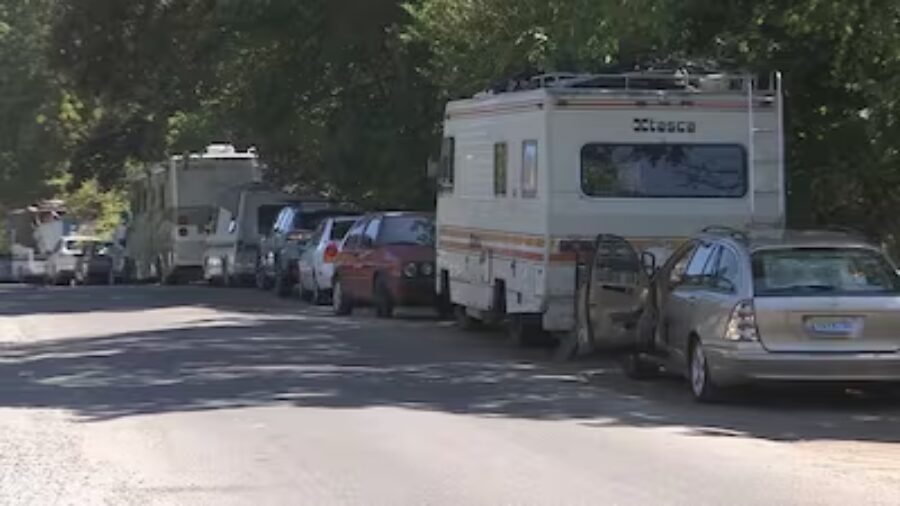
Then there’s the invisible homelessness: families living in cars, workers sleeping in shelters. They don’t have addiction issues or mental illness. They’re victims of economic catastrophe — medical bankruptcy, job loss, rents that doubled while wages stayed flat. For them, it’s about affordable housing, living wages, and economic support.
Different crises require different solutions. But that man on the Portland sidewalk? He needed intervention long before he ended up dying alone on concrete.
Here’s what we cannot forget: That man was someone’s son. He had a name and a story. At some point, he was a child with dreams, with people who loved him. Something went terribly wrong. Addiction grabbed him, or mental illness consumed him, or trauma broke him. He ended up dying in public while strangers stepped around him like street furniture.
We don’t have to make excuses for the crisis to acknowledge this truth: These are human beings. We can demand accountability, enforcement, and mandatory treatment, and still remember their humanity.
Because when we become so numb that we walk past dead bodies without looking down, we haven’t just failed them. We’ve lost something essential in ourselves. We’ve normalized horror.
A man died on a Portland sidewalk Sunday, poison in both hands. He deserved better than dying invisible on a busy street. They all do.
And so do we. We deserve cities where this doesn’t happen. Where people get help before they’re dying on sidewalks. Where we insist they get help and don’t enable.
The solutions will be complicated and contentious. But the first step is simple: We have to see them. We have to refuse to accept this as normal.
Because it’s not normal. It’s a tragedy playing out in slow motion on our streets. And we’re all walking past it.
Charlie Harger is the host of “Seattle’s Morning News” on KIRO Newsradio. You can read more of his stories and commentaries here. Follow Charlie on X and email him here.