4 celestial events will light up the sky on Aug. 12
Aug 6, 2026, 4:20 PM
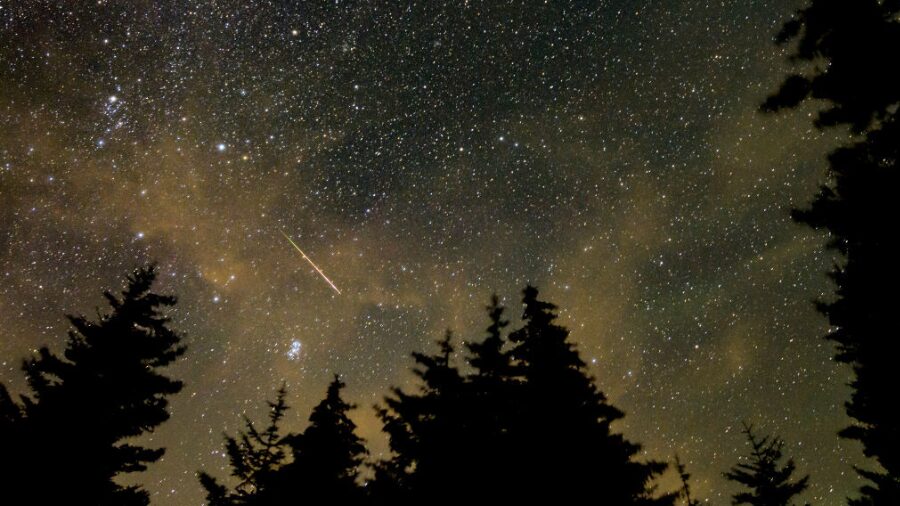
In this 30 second exposure, a meteor streaks across the sky. (Photo: Bill Ingalls, NASA via Getty Images)
(Photo: Bill Ingalls, NASA via Getty Images)

Wherever you are on Wednesday, Aug. 12, take a moment to look up. Four celestial events will be taking place throughout the day.
A planetary alignment, solar eclipse, new moon, and meteor shower will all happen on the same day into the night.
Planetary ‘parade’ one of four celestial events on Aug. 12
The planetary alignment, also called a planetary “parade,” will take place early in the morning in the U.S., according to USA Today. It may be visible in other parts of the world on Aug. 11 and Aug. 13.
Jupiter, Mercury, Mars, Uranus, Saturn and Neptune will all be visible, starting from the east and heading west. Mars will be the easiest to see, but binoculars will be needed for Uranus and a telescope for Neptune, USA Today reported.
Partial solar eclipse to be seen in U.S.
Later in the day, the Northern Hemisphere will experience a partial solar eclipse, including northern parts of the U.S. from Alaska to North Carolina, according to NASA. Officials noted that even during a partial eclipse, it is never safe to look directly into the sun without proper eye protection.
Meanwhile, a total solar eclipse will sweep Greenland, Iceland, northern Russia, Spain, and a small corner of Portugal. It will last less than two minutes.
NASA will livestream the eclipse starting at 10:15 a.m. PDT.
New moon phase
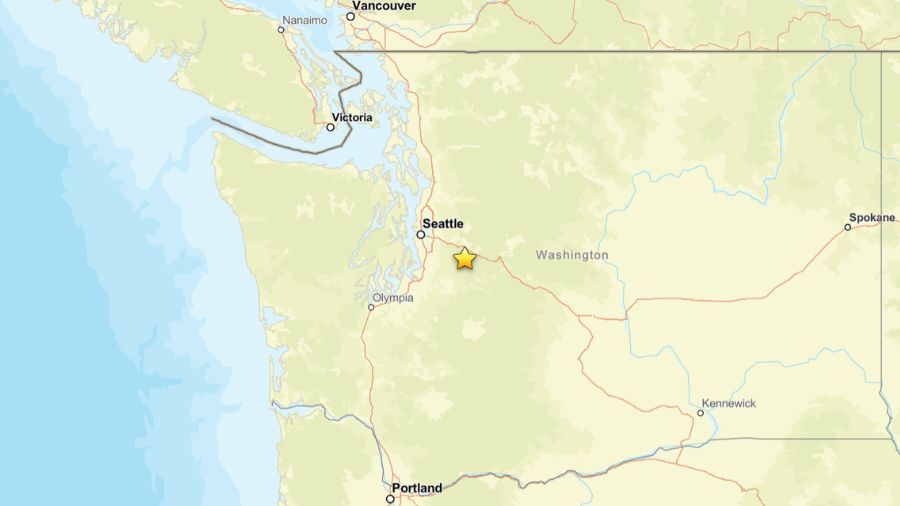
The new moon phase will occur at 10:36 a.m. in Seattle, according to Time and Date.
USA Today noted the new moon will make the night sky “ideally dark” for arguably the most spectacular event of the day, the Perseid meteor shower.
RELATED STORIES



Perseid meteor shower
National Geographic said in an article that this year, the Perseids could “put on quite a show.” The new moon means no lunar light will obstruct the meteor shower.
Under optimal stargazing skies, viewers could see up to 100 meteors an hour. National Geographic said the Perseids are known for their “exceptionally speedy trains,” which are the trails that follows the rock after it hits Earth’s atmosphere.
The best viewing for the show will be from midnight to dawn.
Follow Julia Dallas on X. Read her stories here. Submit news tips here.