‘America needs to start waking up’: Former USS Cole commander warns U.S. infrastructure needs better protection against drone threats
Oct 3, 2026, 5:00 AM

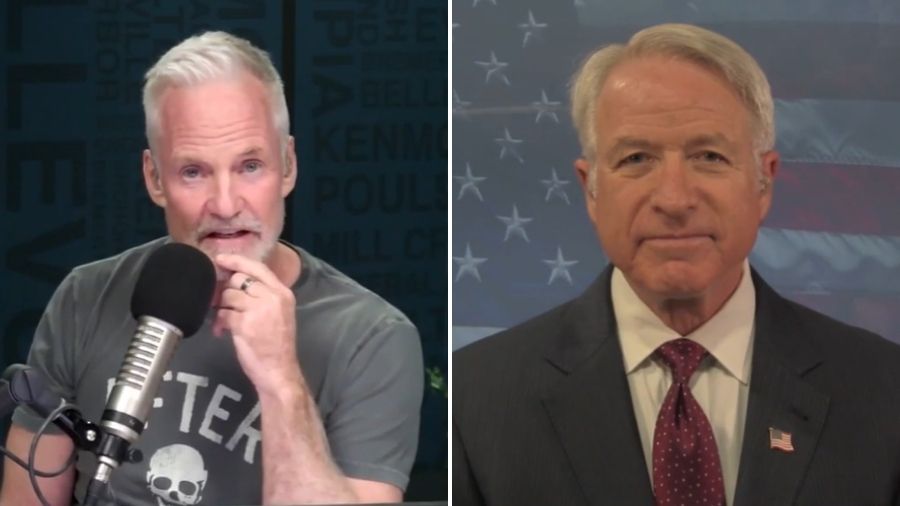
Former USS Cole commander Kirk Lippold is calling for government officials and infrastructure operators to prepare for possible drone attacks on U.S. power, water, and other essential systems. His recommendations include sharing threat intelligence with cleared business operators and determining what authority they should have to defend their facilities.
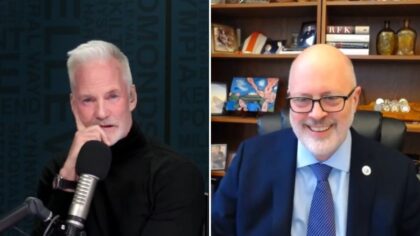
On “The John Curley Show” on KIRO Newsradio, Lippold warned against waiting for an attack before addressing those questions.
“America right now is really unprepared for the drone threat,” Lippold said. “America needs to start waking up and start telling our elected leaders, look, it’s wonderful that you are preparing to fight this kind of war in the military, but when you look across the United States, we have businesses and critical infrastructure that have virtually no input into how they can defend themselves.”
USS Cole attack shapes Lippold’s warning
Lippold commanded the USS Cole when al-Qaida attacked the destroyer in Aden, Yemen, on Oct. 12, 2000, killing 17 sailors and wounding 37 others.
He recalled the crew mistaking the approaching attack boat for one of the garbage barges scheduled to service the ship.
“When it came out, my crew thought it was the third garbage barge,” Lippold said. “That’s how it came inside the security perimeter. Little did we know that it was a waterborne improvised explosive device that we had never trained for, anticipated, or practiced.”
Lippold connected that experience to his concerns about domestic preparedness.
“I do not want to see any American get caught flat-footed like that again, where we know the threat may exist out there, but we do nothing here stateside to anticipate, train for, practice, and be able to defend against that type of threat,” Lippold said.
RELATED STORIES

Lippold calls for intelligence sharing with infrastructure operators
When asked what officials should do first, Lippold said they should start by identifying threats and likely targets.
“Let’s start driving the intelligence picture,” Lippold said. “What do we really anticipate the threat’s going to be? Where do we anticipate it’s going to come from?”
He proposed security clearances for people responsible for critical infrastructure so they could receive intelligence briefings.
“Why not go through the process to get them a security clearance so they can be briefed in on what the threat is?” Lippold said.
He also called for those operators to participate in planning.
“When Americans that run these critical infrastructure locations and sites have no input into the system, that’s a problem,” Lippold said. “They may come up with better solutions than government.”
RELATED STORIES
Defense rules need attention before an attack
Lippold urged officials to determine who should have authority to respond to threatening drones before an incident forces the issue.
“If something bad happens, we’re certainly going to have a re-regulation and a look at the regulations almost immediately,” Lippold said. “Why not take time now to think through? This is not going to be a simple or easy problem to solve.”
Returning to the USS Cole, Lippold credited his crew’s training with helping save the ship.
“They fell back on their training that I had put into place and mandated and set the high bar for,” Lippold said. “And guess what? In little over an hour, we had that ship stable; it wasn’t going to sink. Within 99 minutes, we evacuated 33 wounded, and of those 33, ultimately 32 would survive. That crew did a phenomenal job.”
He closed by calling for attention to domestic defenses alongside military capabilities overseas.
“We need to start figuring out how we’re going to protect ourselves here at home,” Lippold said. “We need to start figuring that out sooner or later if we’re going to protect that critical infrastructure that makes our national security work.”
Watch the full discussion in the video above.
Listen to “The John Curley Show” weekdays from 3 p.m. to 7 p.m. on KIRO Newsradio 97.3 FM.
Follow @https://twitter.com/jcurleyshow

-
 Tune in to KIRO Newsradio weekdays at 3pm for The John Curley Show.