Clearing the confusion on the pay-by-mile system
Feb 18, 2025, 5:15 AM

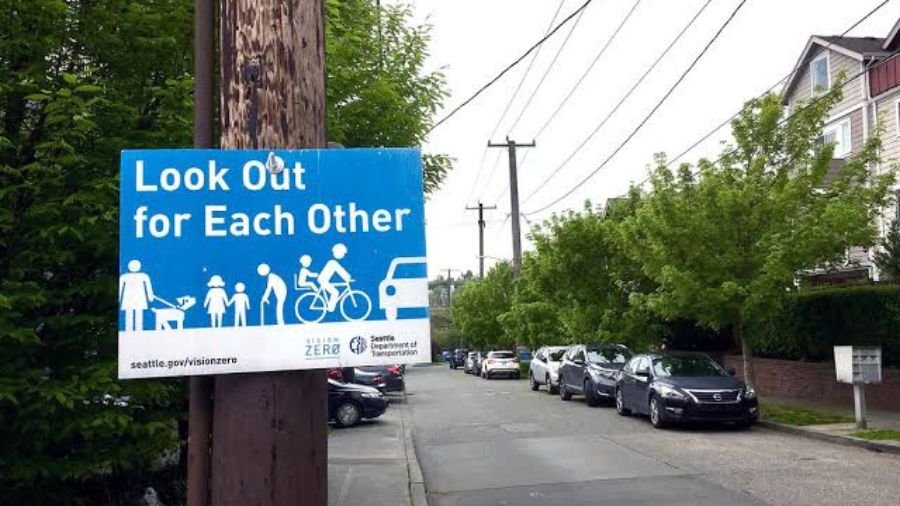
Traffic in Seattle, Washington. Photo courtesy of KIRO 7)
We know the public isn’t in favor of the Road Usage Charge or pay-by-mile system for roads. The 20,000 people who signed up in opposition to the plan last week made that quite clear.
What does that unprecedented feedback really mean?
I posed the question to Reema Griffith, the executive director of the Washington State Transportation Commission (WSTC) who has been studying the idea for nearly 13 years.
“For us, it really was a clear signal that we have a lot of education to do around this,” she said. “When you listened to the testimony, a lot of it was around just not understanding what the bill is doing.”
There is plenty of confusion on exactly what this would do. It makes sense. This is a massive change in the way our roads are funded, and change is scary.
Previous coverage: WA eyes pay-by-mile system as gas tax revenue declines
Breakdown of pay-by-mile system
Let’s clear up some of that confusion. You will not be paying twice for the roads. You will not owe hundreds of extra dollars. You will not be forced to put a tracker in your car. The money will be protected by the 18th Amendment, just like the gas tax is today, and be dedicated to maintenance and preservation.
During the pilot projects testing this system over the last decade, Griffith said users found it simple to use.
“If you have real experience in this, you quickly learn it is not invasive,” she said. “It is not a threat to your privacy. It is an odometer read. It is nothing to be afraid of. It’s all automated. You have to do nothing as a driver to get your gas tax credits.”
Now I understand some of the fear over privacy and tracking. I don’t want the government tracking where I’m driving either. As this system matures, using telematics or tracking will be an option for drivers to choose, but it won’t be mandatory.
Could that change? Maybe. Right now, it’s not part of the system. For example, if you drive a bunch of miles out of Washington every year, you might consider using a tracker. That way you won’t pay for miles you drove out of state.
This is not going to happen overnight.
The first mandatory users would be electric vehicle owners and hybrid owners, in 2029. Only those with gas cars getting over 40 miles a gallon would face mandatory use in 2031.
“The reality is, when you really look at the bill, it’s going to be nine years before a majority of drivers are even going to start having to deal with any of this,” Griffith said.
There will be time to fix the system and make it better.
“We’re trying to level the playing field, but there’s going to be growing pains as we think about evolutionizing how we do that,” Griffith said. “This is very different.”
Related news: Gee warns Washington drivers will be hit with both a Road Usage Charge and gas tax
Looking at EV drivers on pay-by-mile
I understand the concern for those EV and hybrid drivers. EV drivers will likely pay more than the $225 in yearly fees they pay today. Hybrids will likely pay more too.
“It’s all about leveling the playing field and making sure it’s fair for everybody,” Griffith said. “People that aren’t paying today for the roads or paying very little are going to see a small uptick that. Again, we’re not talking hundreds and hundreds of dollars unless they’re like a super driver and they drive 30-40,000 miles a year.”
Let’s talk dollars and cents.
The WSTC studies show that the average driver will pay under $30 a year for the road usage charge, once your gas tax credits are deducted when you renew your tabs.
“Is it too much to ask drivers to pay a few more bucks for the roads on top of their gas tax,” Griffith asked. “We would say ‘No’ because if we don’t have it in 10 years, we’re going to be in really sad shape with a lot of roads potentially going to gravel. We’re seeing it happen in counties across the state.”
The average Washington driver pays under $300 a year in gas tax. The gas tax is tasked with providing a billion dollars a year for road maintenance and preservation, and it’s just not covering that anymore. Gas tax revenue is expected to drop by up to 70% by 2050.
I am still not sold on the need to have an additional 10% assessment on your yearly RUC charge that goes to alternative transportation. This was never part of the 13 years of discussions on the RUC. I believe there are other ways to fund them.
You have another chance to tell Olympia what you think of the idea. Senate Bill 5726 has a hearing at 4 p.m. Tuesday. You can click here to sign in pro or con.
Check out more of Chris’ Chokepoints here. You can also follow Chris on X. Head here to follow KIRO Newsradio Traffic’s profile on X.