Sullivan: Sound Transit passes fare reform with diminished ridership accountability checks
Apr 29, 2022, 6:33 AM | Updated: 8:12 am

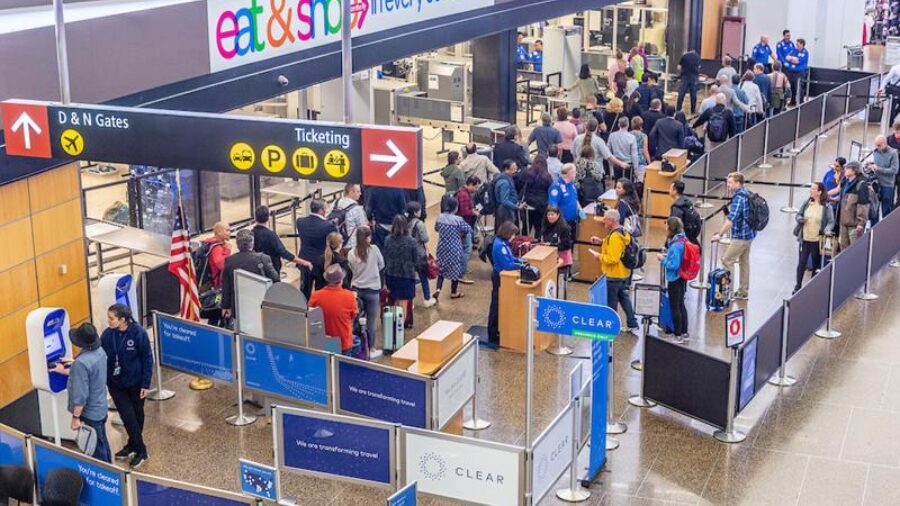
A pre-pandemic Sound Transit fare enforcement check circa 2015. (Sound Transit)
(Sound Transit)
Sound Transit has been working for more than three years to improve its fare enforcement system. It is trying to strike a balance between collecting fares and not financially burdening those who cannot pay to ride with court dates and collections fees, issues that can impact credit scores, complicate rental applications, and cause other problems.
But does any of this matter? Sound Transit no longer has mechanisms in place to check I-D’s and track who isn’t paying in the first place with their decision to remove law enforcement from the fare enforcement process.
The new policy increases the number of warnings to two over a 12-month period. A third fare evasion would come with a $50 fine. A fourth fare evasion would be a $70 fine. But you can get those penalties waived by going to a Sound Transit focus group or education program. A fifth fare evasion in 12 months would translate to a civil penalty of $124: Sound Transit would be able to take the rider to civil court.
But here is the concern. “Those cheating (expletive) who refuse to identify themselves are left completely off the hook,” as Board member Dave Upthegrove called intentional fare evaders.
If riders who are not paying refuse to give identification, which is happening 76% of the time riders are contacted by Fare Ambassadors, how can you track warnings or evasions? Under the old policy, riders who refused to pay were met at the next station by a King County Sheriff’s deputy, and identity could be determined. That doesn’t happen anymore.
Sound Transit mulls aggressive fare enforcement with revenue forecasts in ‘wrong direction’
And that leaves the message that everyone can ride for free, as long as they refuse to show I-D. “If a fare ambassador encounters a rider who’s not paid their fare and that rider gives the middle finger instead of identifying themselves, then we do essentially nothing, and there’s no accountability,” Upthegrove said.
Board member and Pierce County executive Bruce Dammeir said he’s concerned by this giant gap in the plan. “They can avoid the whole thing if they don’t show their I-D, just refuse to interact with the fare ambassador, am I understanding that correctly,” he asked Sound Transit’s Russ Arnold. “We do want to recognize that if someone is unwilling to provide I-D we have no way of identifying that individual,” Arnold answered. “That’s why we want to be clear about this deficiency. We’re hopeful that we can solve it, but we haven’t been able to figure it out yet.”
To recap, Sound Transit has spent more than three years coming up with a new fare enforcement plan, full of five steps of warnings, eliminating the sheriff’s department from the entire process, but the agency did not create a way to track who is getting warnings. It’s estimated that more than 40% of riders are not paying right now.
Board chair Kent Keel introduced an amendment that would at least allow fare ambassadors to ask for identification, which passed. “Without knowing who the passenger is, the fare ambassadors can’t know if this passenger is a first-time offender or a fifth-time offender,” he said.
Outgoing CEO Peter Rogoff says the latest projections show Sound Transit losing $1.3 billion in fare revenues from now until 2046. “The new reduced estimate for fare revenues is driven by factors including the lower levels of compliance we have experienced on the system and the lower ridership we experienced during Covid,” he said. “The largest driver has been the diminished level of compliance.”
So, Sound Transit still has a huge problem after all of this work. How to provide low-income riders the best opportunity to use the system, without being penalized for not being able to pay, while making sure those that can pay are.