‘There needs to be a start’: Gee backs Seattle’s RV parking proposal as Ursula questions whether 72 spaces will be enough
Oct 20, 2026, 8:46 AM | Updated: 5:43 pm
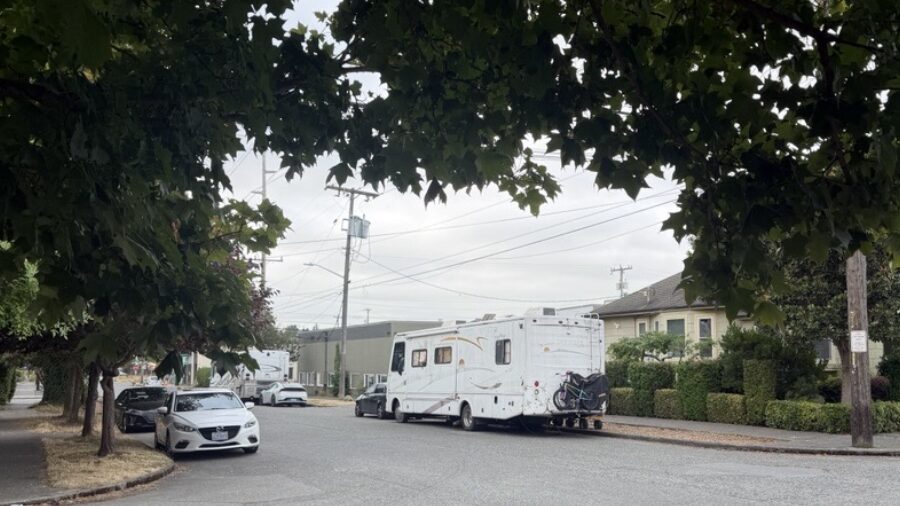
The Seattle City Council is set to vote Tuesday on a plan to limit where people living in RVs can park overnight.
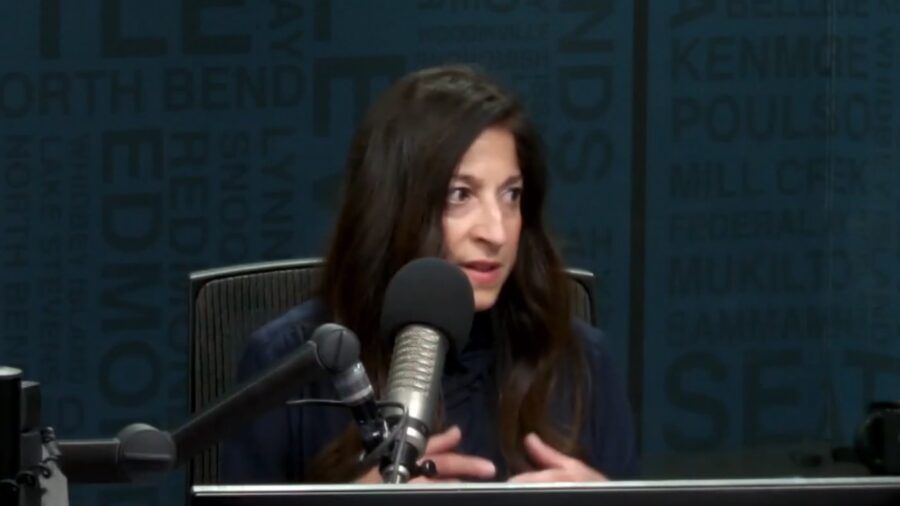
On “The Gee and Ursula Show” on KIRO Newsradio, co-host Gee Scott said the first step was understanding who actually lives in many of those RVs, and he said it often isn’t who people picture.
“It’s almost another world in itself. It’s a subculture of the unhoused world that’s out there,” Gee explained. “This isn’t to demonize anybody, but the truth of the matter is, for a lot of these businesses and a lot of these homes, a lot of these folks are not the folks that you think.”
KIRO Newsradio reporter Luke Duecy joined the show to explain what the legislation would do and why it has divided the public.
What the plan would do
The proposal, called the Vehicle Resident Assistance Program, is sponsored by Councilmember Dan Strauss, who represents Ballard and other northwest Seattle neighborhoods. It cleared the council’s Public Safety Committee last month.
“An eligible RV owner would be required to get a free permit to park overnight in a designated industrial area,” Duecy said. “To do that, they’d also have to participate in services, follow neighborhood rules, and move their vehicles every 72 hours.”
The permit program would take effect April 30, 2027, with parking enforcement beginning by July 31, 2027, according to KOMO News.
“Anyone who does not get a permit for their RV, what happens to them? Well, they would be limited to two hours of street parking, and they could have their RVs towed without notice at any time,” Duecy said.
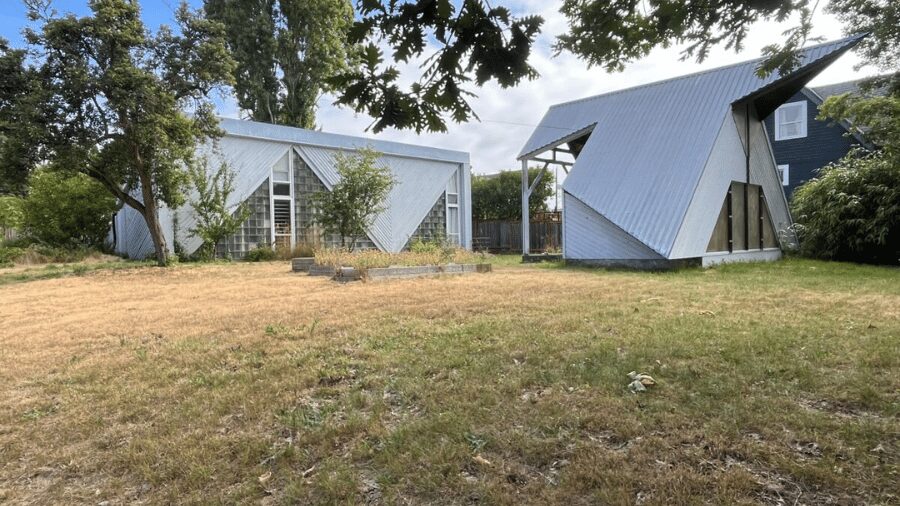
The city’s first RV safe lot, Glassyard Commons, is a West Seattle site run by the Low Income Housing Institute. It is expected to have 72 RV spaces and 20 tiny homes.
“It would be like a tiny home village for RVs,” Duecy said. “It’s just kind of southwest of the First Avenue Bridge.”
The proposal would use existing city funds rather than establish a new funding source.
“It would redirect $5 million in existing city funding toward outreach, safe parking lots and vehicle storage services,” Duecy said.
Public comment reflected disagreement over whether the restrictions would help people living in vehicles or leave them without shelter.
“We need places for RVs to go. We need to get them off the street so that they’re safe,” one commenter said in audio played during the segment.
“By working to take RVs off the street, you are subsequently pushing humans out of their living spaces and into those streets,” another said.
72 spots for hundreds of people
Ursula, who has questioned Seattle’s homeless spending as the RV plan took shape, said she liked the concept but worried about the math. She said most reporting puts the number of people living in RVs in Seattle at around 650.
“650, and we have a spot for 72,” Ursula said. “That’s barely a tenth of what we’re talking about.”
Duecy raised two more concerns. About 20% of Seattle’s parking enforcement positions are vacant. He also noted that the city is in the middle of tough budget talks over which programs to cut.
Gee reminded listeners that towing an RV isn’t like towing a car.
“RVs aren’t just towed to the tow yard like our vehicles. No, no, no, no,” Gee remarked. “You have to go through a whole hazard process, and that is a lot of money. Remember, it’s hazardous materials that are in there.”
Duecy added that some owners may replace a towed RV with another one.
‘Most of these RVs aren’t moving’
Gee said he had recently spent time around RV encampments while working with organizations that help unhoused people, and wanted to clear up a common misconception.
“Most of us think about RVs, National Lampoon’s Vacation. You’re thinking about them just starting up, and you just pull away,” Gee said. “Most of these RVs aren’t moving. Let’s get that straight.”
He drew a line between people living in RVs and people who are struggling to afford rent, a situation he said he knows firsthand.
“When you’re thinking about people that are unhoused and having a hard time and not able to afford the deposit on rent, I just want to let everybody know that the majority of the folks in these RVs aren’t that,” Gee said.
“There are some who are using illegal drugs and doing things in those RVs that are criminal behavior,” Ursula responded. “We’re not trying to sugarcoat it.”
RELATED STORIES

‘There needs to be a start’
Even with the program’s limits, Gee said he liked that Strauss was starting with a concrete number.
“I do like how Strauss is saying, ‘Hey, we’re gonna start with 72. You go get the permit, you can come pull up here,'” Gee said. “That is an actual number, and then after that, we can maybe figure out what more we need. There needs to be a start.”
Ursula agreed, adding she would rather people live in RVs than on the street, but homeowners never expected a row of RVs outside their door. She hoped the program would work and lead to more supervised lots.
Duecy said that matched what he hears from residents across the city.
“Neighborhoods are just saying, ‘Do something,’ and this is something,” Duecy concluded.
Watch the full discussion in the video above.
Listen to Gee and Ursula on “The Gee and Ursula Show” weekday mornings from 9 a.m. to 12 p.m. on KIRO Newsradio.