‘Momentous occasion’ on Vashon Island during World War II is reason to celebrate
Jun 29, 2023, 7:21 AM | Updated: 8:19 am


In these times of political and economic instability in Europe and war and other turmoil in the Middle East, we take for granted that the latest news is always just a click away on a smartphone. Through apps from traditional media outlets and status updates on social media like Facebook, it’s pretty easy to keep up with current events. That is, of course, as long as you have access to Wi-Fi or a cell tower signal.
Puget Sound area residents 75 years ago faced a similar challenge to keep in touch with World War II in Europe and with the deteriorating situation in the Pacific.
Newspapers that came out once a day were ill-equipped to keep up with fast-moving events overseas. Radio had been around for 20 years, but had been slow to embrace news. Technology was improving, and political leaders including FDR and Adolf Hitler were using radio to give speeches and speak to citizens directly.
CBS founder William Paley is credited with first seeing radio’s potential to cover international news for an American audience. The improving technology and deteriorating political situation made the late 1930s ripe for radio to become a medium that listeners depended on from early in the morning to late at night.
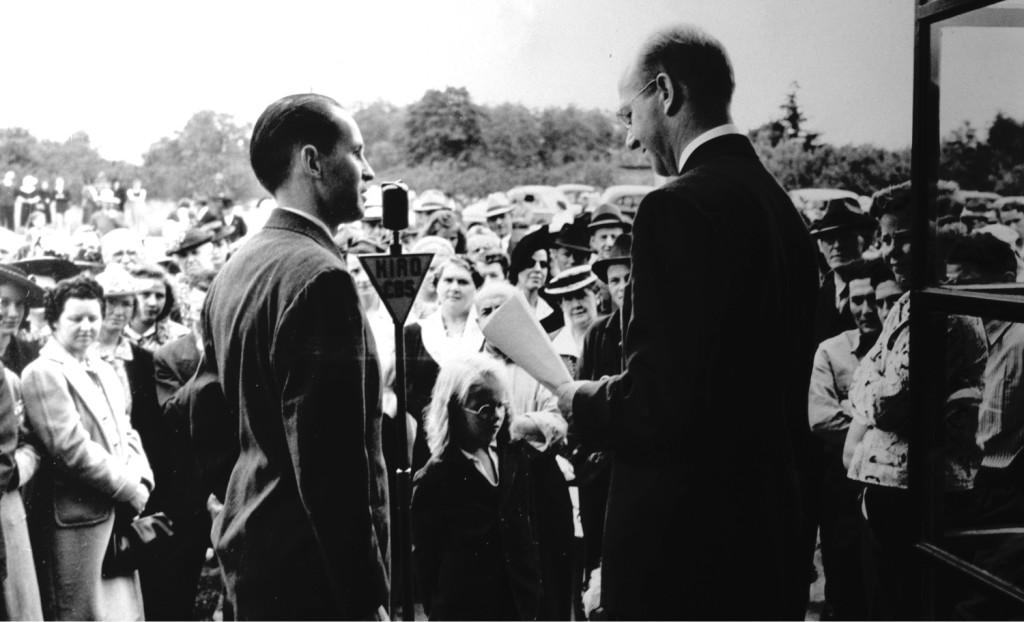
When KIRO Radio observed its 80th birthday last year, it was certainly an occasion worth celebrating. But historically speaking, an arguably even more momentous occasion is the 75th anniversary of the day KIRO Radio launched a new transmitter on Vashon Island and boosted its broadcasting power to 50,000 watts.
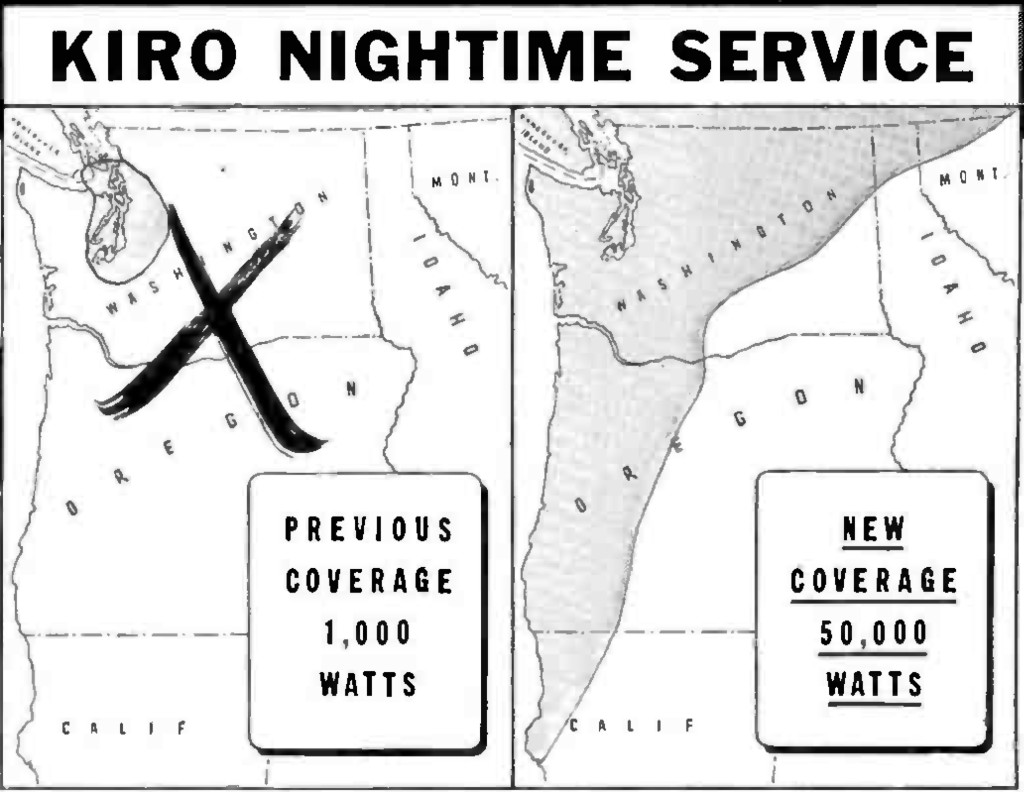
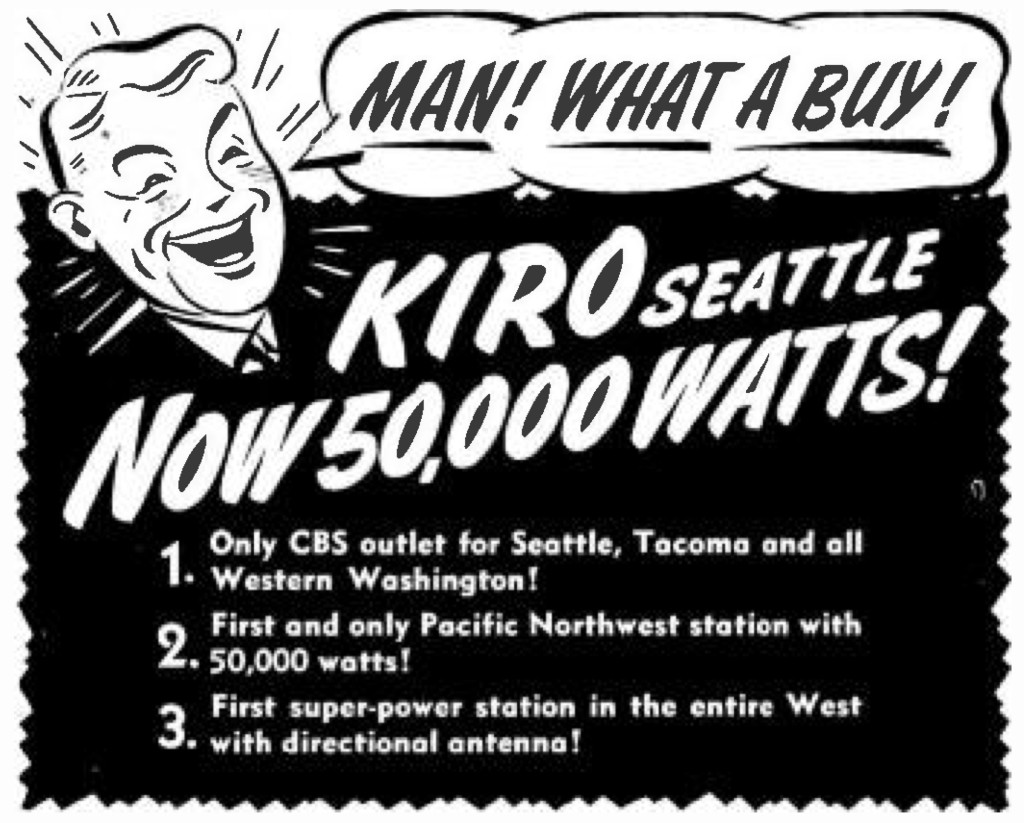
On Sunday, June 29, 1941 at 11:30 am, KIRO Radio became the most powerful station north of San Francisco and Salt Lake City, and west of Minneapolis and Denver. The new facility, technically on Maury Island, was a high-tech showplace, and gorgeous art deco palace of modern radio technology.
With the new transmitter and boosted signal, KIRO’s local news and other programs could now be heard far beyond Puget Sound, and well into British Columbia, Oregon, Northern California and even Alaska. For many listeners in Alaska, KIRO would be the first station to provide regular radio service.
As an affiliate of CBS, KIRO beamed that network’s award-winning and iconic news and public affairs programs to tens of thousands of listeners all around the eastern edge of the Pacific Rim. Legendary broadcasters Edward R. Murrow, William L. Shirer, Eric Sevareid, Bob Trout, Howard K. Smith and others delivered live reports from New York, London, Berlin and other cities, and KIRO brought those reports into living rooms in as many five states and most of a Canadian province.
And since many of those CBS live reports were timed for East Coast listeners, KIRO took the unusual step of making recordings of complete news programs and then broadcasting them later to better serve listeners in the Pacific Time Zone. KIRO saved all those recordings, and this “accidental preservation” is well-known in media history circles as one of the first and most valuable radio archives ever created.
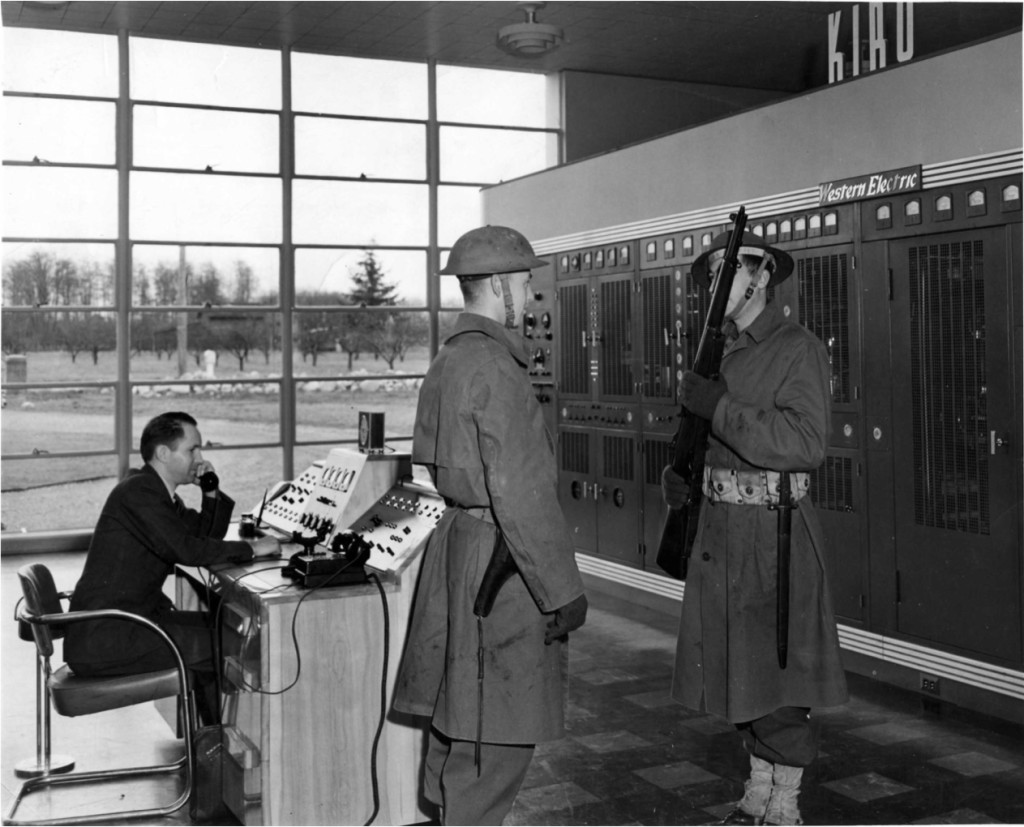
KIRO’s big signal played a role in 1941 far beyond just reporting the news. When Japan attacked Pearl Harbor, KIRO spread the urgent word about the mandatory blackout that followed, and about how people could help respond to the needs of a region now in a war zone. The Army even posted guards at the KIRO transmitter.
The war also meant that the FCC froze all other pending power increases, leaving KIRO Radio in sole possession of the only 50,000 watt transmitter in the Northwest throughout the first half of the 1940s. As the war in Europe reached its most significant milestone, KIRO brought unprecedented live coverage of D-Day to the Pacific Northwest. And when victory was declared in Europe and then Japan, KIRO brought that coverage home, too.
It might be difficult in 2016 to fully appreciate what KIRO’s June 29, 1941 new transmitter and 50,000-watt power increase meant. It’s no secret that station owner Saul Haas was politically well-connected, and was something of a complex character. Getting permission from the FCC for the power boost was a coup, and the station’s big signal likely translated into big profits. Radio, after all, has almost always been a business.
But regardless of the commercial considerations, for those new listeners who heard the bad news and then the good news from battlefields overseas by way of the Vashon transmitter, and for whom KIRO was a consistent and reliable voice throughout a dark time in world history, radio was a lifeline — no Wi-Fi or cell service required.
Editors Note: This story was originally published June 29, 2016
<You can hear Feliks every Wednesday and Friday morning on Seattle’s Morning News with Dave Ross and Colleen O’Brien, read more from him here, and subscribe to The Resident Historian Podcast here. If you have a story idea, please email Feliks here.