Harger: If fentanyl isn’t a weapon of mass destruction, what is?
Dec 16, 2025, 6:12 AM | Updated: 6:00 pm
Yesterday’s commentary had me agreeing with something Mayor-elect Katie Wilson said. Today has me agreeing with something President Trump said.
What else are we supposed to call it?
If I told you a foreign adversary had smuggled a powder into the U.S. that killed over half a million Americans in a decade, what would you call it? President Trump signed an executive order yesterday designating fentanyl as a weapon of mass destruction.
Critics say it’s a rhetorical escalation with limited practical impact. Fine. But what else are we supposed to call it?
I’m not here to carry water for Trump. I’m here to ask why we’re OK with a thousand people a year dying in King County.
One thousand, three hundred and forty people died from overdoses here in 2023. More than 80% involved fentanyl. That’s nearly four people a day, every day, for a year. One detective compared it to a commercial airliner crashing every month.
RELATED STORIES


We seem OK with this
Mayor-elect Katie Wilson has made clear she intends to double down on the approach that got us here. More tiny house villages. More shelter without sobriety requirements. More meeting people “where they are.” Housing without pressure toward treatment.
Here’s what that means: we don’t encourage people in King County to get treatment unless they say so first. That’s called harm reduction. The theory is that you keep someone alive long enough that they might eventually decide they want help. Meanwhile, they remain addicted, suffering, dependent on a supply chain run by cartels the federal government now classifies as foreign terrorist organizations.
Every time someone smokes fentanyl, even with a roof over their head, they’re rolling the dice on whether some cartel chemist in Sinaloa got the blend right that batch. Two milligrams can kill you. That’s a few grains of salt.
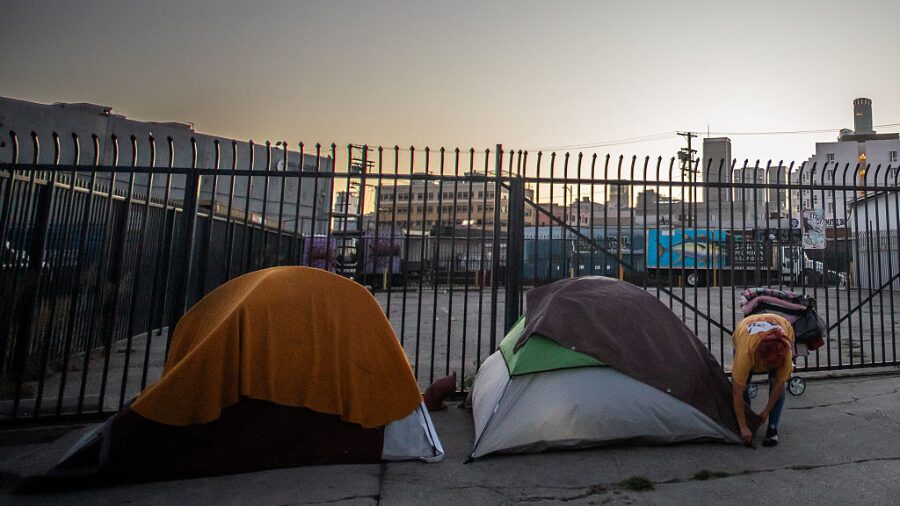
I’ve seen the suffering. I’ve been deep inside the camps where people are lost to this addiction. The addiction tells them that sobriety would be worse than living outside. Worse than the rain and mud and filth. I’ve watched people chase a high that stopped feeling good years ago, just to feel normal, just to not be sick for a few more hours.
I’ve sat with families describing the loss. Sometimes it’s the teenager who took one pill at a party. Didn’t even know what was in it. Sometimes it’s the child who descended slowly over the years. The desperate phone calls. The last conversation that haunts a parent forever.
The grief is the same. The fentanyl doesn’t care how you found it.
What I can’t accept is a policy that watches this happen and calls it compassion. That says the most humane thing we can do is not ask anything of people in the grip of a substance that is killing them. That treats the suggestion of treatment as coercion.
We hand out clean foil. We revive people in the morning so they can smoke again that night. We call this meeting people where they are.
Where they are is dying. Slowly. With our permission.
More than a thousand people died in King County last year. Every one of them was someone’s child. And we’re going to double down on not asking them to get help.
Not a weapon of mass destruction? OK. What else are we supposed to call it?
Charlie Harger is the host of “Seattle’s Morning News” on KIRO Newsradio. You can read more of his stories and commentaries here. Follow Charlie on X and email him here.