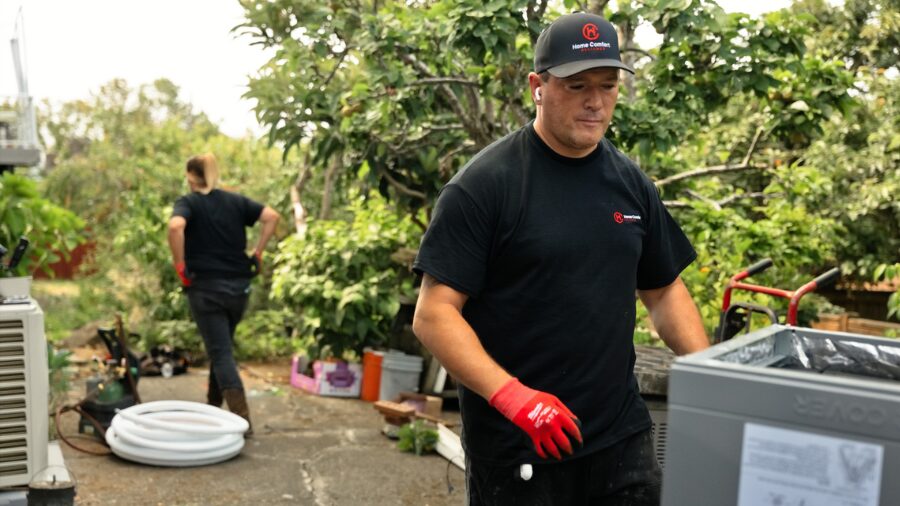
Harger: King County hired 30 fare enforcement officers. They worked 40K hours, issued 8 citations, and voided all of them
Apr 16, 2026, 6:41 AM
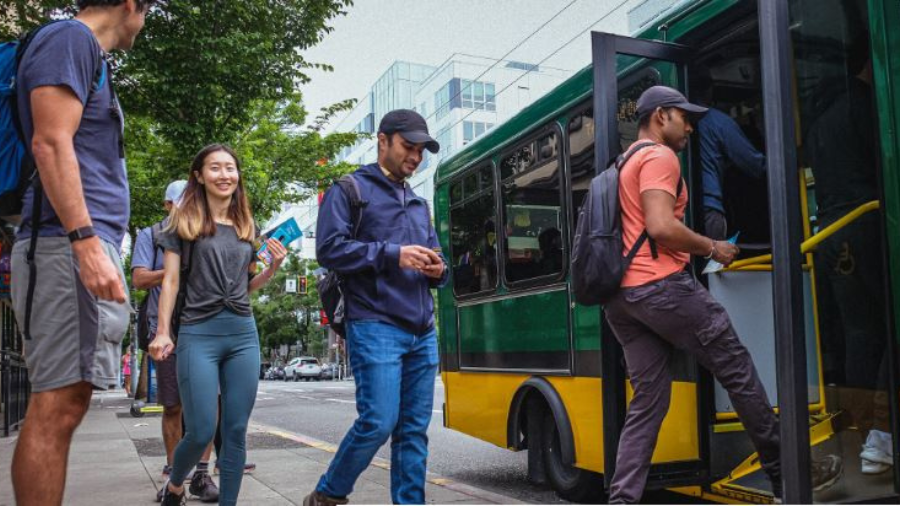
Starting May 13, King County Metro (KCM) kicks off Trailhead Direct bus service to locations like Mount Si, Teneriffe, and Little Si. (Photo courtesy of Trailhead Direct)
(Photo courtesy of Trailhead Direct)
I read a story in The Urbanist this week about King County Metro’s fare enforcement program. It was so over the top, I read it twice, then pulled the actual report to the King County Council, thinking there was no way it could be true.
Welp.
King County Metro fare enforcement 2025: 30 officers, 2,186 warnings, 8 citations, zero resolved
Metro restarted fare enforcement on buses last May. Hired 30 full-time fare enforcement officers. Between May and the end of December, those 30 officers worked roughly 40,000 combined hours.
Here’s what that bought us:
2,186 warnings issued. Eight citations. Zero resolved. Zero fines collected. Zero suspensions. Zero criminal trespass charges.
The fine, if anyone had actually paid it, would have been $20.
The budget for this program in 2026 is $3 million.
Take a moment with those numbers. Thirty full-time employees. Forty thousand hours. Eight citations. Every single one voided. Three million dollars budgeted for next year.
Why King County Metro voided all 8 fare evasion citations
Metro’s explanation, straight from the official report to the King County Council: riders gave bad contact information. No phone number. A shelter address. An address that didn’t exist. No way to follow up. So the eight citations were canceled.
That’s the mechanical reason. But the structural reason goes deeper.
Metro didn’t design this system on its own; the King County Council did. And the Council’s concern, documented in the report and in Metro’s own public statements, is that actual enforcement, real citations, and real consequences might fall unevenly across racial groups. So they built a system where fare enforcement officers aren’t really there to enforce. They’re there to connect riders to resources. To educate and build what Metro spokesperson Jeff Switzer calls “a culture of riding right.”
“Fare enforcement is one part of a multi-pronged strategy to build a culture of ‘riding right’, connect all riders to fares that are affordable to them, and to help Metro fund service,” Switzer told The Urbanist. “The job of fare enforcement is to connect with riders who have not paid, educate them about the consequences of nonpayment in the future, and, most importantly, to make sure they understand Metro’s expectations and create access to fares that are affordable to them.”
Most importantly, no citations or fines, but awareness.
Seattle’s equity defense: why King County can’t enforce its own fare rules
A guy named Ryle Goodrich posted something on X this week that cuts right to it.
“The best hiding spot for every bad decision in this county is right behind an equity defense,” he wrote. “Why can’t we have safe transit? Educate our kids? Get more for our taxes? Get people off the streets and into shelter? Well, that wouldn’t be equitable.”
Sandeep Kaushik, a longtime Democratic political consultant in Seattle, responded.
“Equity, understood correctly, can identify real systemic problems worth fixing,” he said. “But applied in a blunt way, where any policy that produces different outcomes between groups is automatically disqualified, equity becomes a destructive idea.”
That’s exactly what happened here.
RELATED STORIES


King County Metro fare evasion rate: who actually pays the price
At least 35% of riders aren’t paying the fare. We know that. The people who are paying are the ones getting taken advantage of.
The working mom in Rainier Beach who loads her ORCA card every month. The student at Seattle Central who pays full fare because nobody told her she didn’t have to. The senior on a fixed income who taps in every single time. They are doing the right thing every day.
And what does the system say to them? It says: we hired 30 people, worked 40,000 hours, and made sure nobody felt bad about not paying.
$3 million King County Metro fare enforcement budget in 2026: for what, exactly
The report is careful and bureaucratic and full of the language you’d expect. It talks about “historically marginalized communities.” It talks about “addressing institutional harm.” It talks about building fare enforcement “intentionally.” It mentions the FIFA World Cup.
What it doesn’t talk about is what happens to the budget when the fare revenue keeps not coming in. What happens to service. What happens to the riders who pay every day and watch others walk on for free.
King County hired 30 full-time fare enforcement officers. They worked 40,000 combined hours between May and December. Eight citations. Zero resolved. Three million dollars budgeted for 2026.
Who is that equitable for, exactly?
Charlie Harger is the host of “Seattle’s Morning News” on KIRO Newsradio. You can read more of his stories and commentaries here. Follow Charlie on X and email him here.
Follow @https://twitter.com/kirocharlie