Harger: Seattle’s new mayor eyes progressive taxes, but will middle-class homeowners pay the price?
Nov 18, 2025, 7:40 AM | Updated: 5:34 pm
Seattle just elected Katie Wilson, and I get why people, especially young people, voted for her.
They’re drowning here. Thirty years old, decent job, working hard for 60-70 grand a year, and you’re looking at $3,000 rents. Home ownership? That’s fantasy land. Something had to change.
For better or worse, that led voters to fire Bruce Harrell this month and tie their wagons to Wilson.
So what’s her solution? She told us last week:
I am very committed to making sure that we are using our existing resources as effectively and efficiently as possible. So we will review the ways the city is spending money, and I think we’re gonna have to do that given the size of the budget deficit. And I am not averse to ending spending on programs that were maybe well-intentioned when they were first implemented but aren’t fulfilling their goals. So we are going to be doing our very best to be the best stewards of public resources as we can.
I do think that we will need to pursue new progressive revenue in order to fund our priorities and make sure we’re delivering the services people in Seattle need. There are several progressive tax options I proposed as part of my platform. So we’re gonna have city staff looking into developing those into legislation. I don’t know yet exactly what the timeline is going to be on that.”
Translation: lots of new taxes to fund social housing and government services. But she promises real estate taxes are only targeting the ultra-wealthy.
RELATED STORIES



Here’s the problem
Your neighbor who bought their house in 2009 isn’t ultra-wealthy, but they’re about to get squeezed anyway.
Remember them? They paid $350,000 for a place in Greenwood. Today it’s worth $1.2 million. On paper, they’re millionaires! In reality, they’re a teacher making $90,000 a year. Same job, same income, just happened to buy before the boom.
They can’t spend their kitchen sink. They can’t deposit their front door at QFC. Their wealth is trapped in walls they can’t eat.
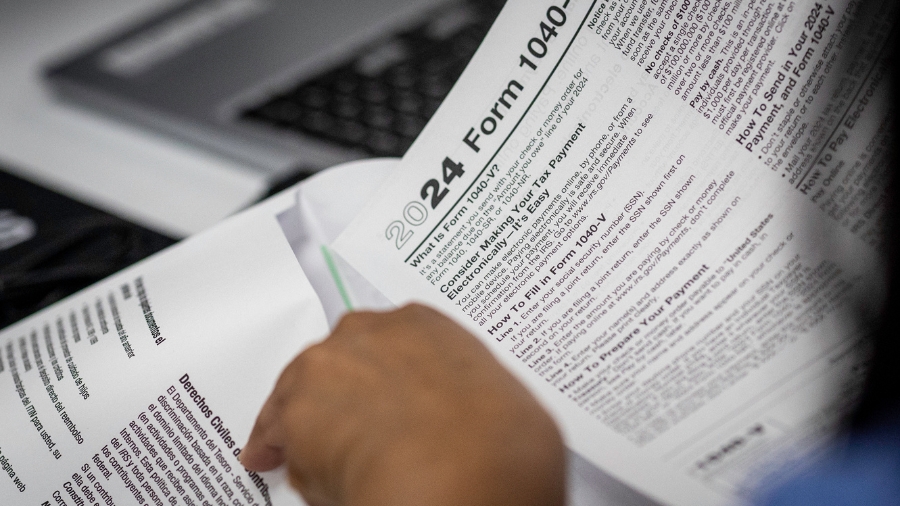
Property taxes have nearly tripled on that theoretical wealth. Now Wilson wants to lift the 1% cap so taxes can “keep pace with inflation and growth.” But their salary isn’t keeping pace with anything.
Sure, Wilson’s capital gains tax won’t hit them if they sell. That’s for stock options and business sales. But her property tax increases? Those hit every single year.
When that teacher finally can’t afford the property taxes anymore, who buys their house? Not the young family Wilson wants to help. They still can’t afford it. It goes to someone genuinely wealthy who can handle any tax increase.
The Wilson administration might try to stop this with restrictions on investor purchases. Vancouver, BC, tried that in 2016. Prices went up anyway. The foreign buyer tax cooled sales for a few months, but affordability barely budged because supply never changed. Within a year, prices were climbing again, a sign that you can’t regulate affordability into existence.
That middle-class homeowner isn’t the enemy. They remember when regular people could live here. They want their own kids to afford Seattle. But these policies make them collateral damage in a war against wealth they don’t actually have.
Some see home equity and think “privilege.” But there’s a difference between Bill Gates and a nurse who bought before prices exploded. One has actual money. The other has theoretical wealth that only becomes real if they leave Seattle forever.
Still, Wilson deserves credit for forcing a conversation Seattle has avoided for years: housing is broken, and doing nothing isn’t an option. Her supporters say she’s bold, and she’s listening to people who feel shut out of this city.
Here’s hoping bold doesn’t backfire.
That’s the commentary for Nov. 15.
Charlie Harger is the host of “Seattle’s Morning News” on KIRO Newsradio. You can read more of his stories and commentaries here. Follow Charlie on X and email him here.