‘That’s always the big problem’: Curley questions data privacy as Mayor Wilson expands Seattle surveillance cameras
Nov 16, 2026, 3:04 PM

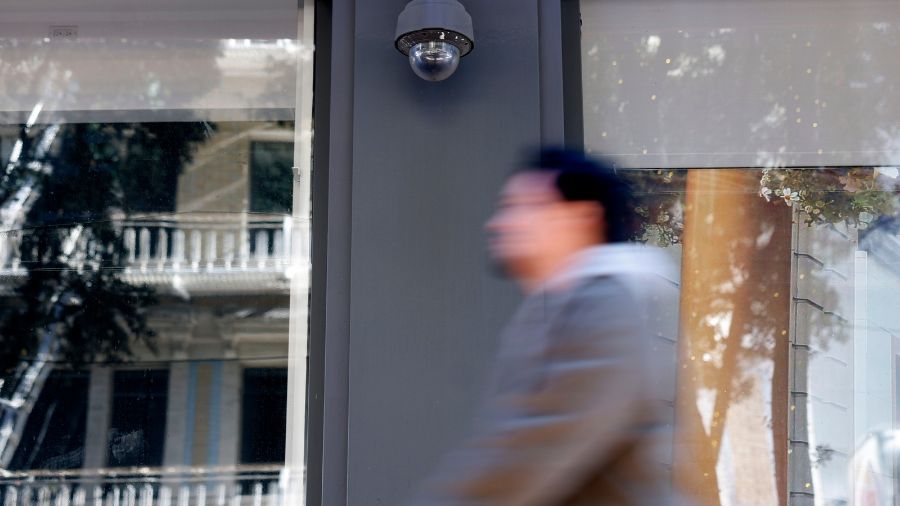
KIRO Newsradio host John Curley questioned whether Seattle’s planned safeguards for police surveillance cameras can keep pace with technology, warning that artificial intelligence could make it harder to trust video and distinguish fact from fabrication.
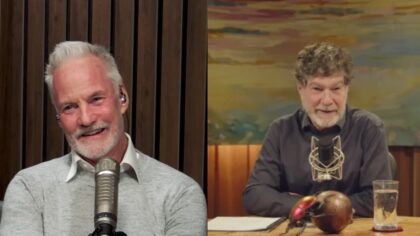
While discussing Mayor Katie Wilson’s decision to expand CCTV cameras with KIRO Newsradio reporter James Lynch on “The John Curley Show,” Curley argued that questions about access to footage extend beyond how the city intends to use it.
“There’s another way for somebody to be able to manipulate reality,” Curley said.
The discussion began with Wilson’s shift on surveillance cameras before broadening into concerns about third-party data storage, potential federal access, and AI-generated alterations to video.
Lynch credits Wilson for changing her position
Lynch attended the news conference where Wilson announced camera expansion in SoDo, Capitol Hill’s entertainment district, and the Central District around Garfield High School. He also described her order to reactivate Stadium District cameras immediately.
Lynch explained that Wilson sought an audit from the NYU Policing Project before changing course. Curley welcomed examining practical questions such as where cameras should go, how long footage should be retained, and who should have access.
“That’s always the big problem,” Curley said. “How long is it held for, and who can tap into it?”
Lynch argued that Wilson deserved credit for reconsidering her position after receiving additional information.
“She requested this study,” Lynch said. “She got the results back, and she changed her position.”
Curley questioned whether pressure following the Bite of Seattle shooting also contributed to the decision. He suggested that public demands for answers and criticism over safety had made Wilson politically vulnerable.
“That’s my speculation,” Curley said.
Lynch offered a different interpretation: Wilson had identified a middle ground between using cameras and protecting privacy.
Wilson outlines surveillance safeguards
In a recording played during the segment, Wilson described plans for SPD to strengthen its surveillance policies, including rules governing access, retention, outside-agency requests, and internal audits.
“SPD will clarify and strengthen its policies and practices around permissible uses, access criteria and logs, data retention periods, requests from outside agencies, regular internal audits, and more, as recommended by the audit,” Wilson stated.
She also outlined additional work to integrate private cameras, use the Real Time Crime Center during protests and other First Amendment activities, and decide where to place future cameras.
Wilson framed the decision as an effort to address both crime and concerns about federal overreach.
“I am dedicated to making Seattle the safest big city in the country, safe from gun violence and serious crime, and safe from authoritarianism from the federal government,” she stated.
Lynch also corrected Curley when the host suggested Wilson had not taken questions.
“Yes, she did take questions too,” Lynch said.
RELATED STORIES
AI discussion turns to trust in video
Producer Joe Wallace described reporting about a Microsoft patent involving changes to livestream speech and corresponding lip movements. He outlined potential uses such as replacing profanity or translating a speaker’s language.
The segment did not establish that such technology had been deployed in Seattle’s surveillance system or used to alter police evidence.
Curley nevertheless questioned how similar capabilities could be misused. He argued that increasingly convincing alterations could undermine confidence in what people see online.
“People will stop going to the internet because they can’t trust whatever is coming from it,” Curley said.
Lynch raised the possibility of AI guardrails. Curley questioned whether regulations would be shaped by the same industry developing the technology and argued that the public does not fully understand what is becoming possible.
“It’s the wild, wild west,” Curley said.
He closed with a personal example of resisting technology: opting out of having his photograph taken at airport security and presenting his passport instead, even while acknowledging that other cameras might already be recording him.
“It’s my own little personal protest, and I know it’s dumb,” Curley said. “I know it.”
Watch the full discussion in the video above.
Listen to “The John Curley Show” weekdays from 3 p.m. to 7 p.m. on KIRO Newsradio 97.3 FM.
Follow @https://twitter.com/jcurleyshow

-
 Tune in to KIRO Newsradio weekdays at 3pm for The John Curley Show.