Gee: Wait, what?! We’re spending $100,000 to replace $1,000 worth of stolen copper
Sep 29, 2026, 4:00 PM
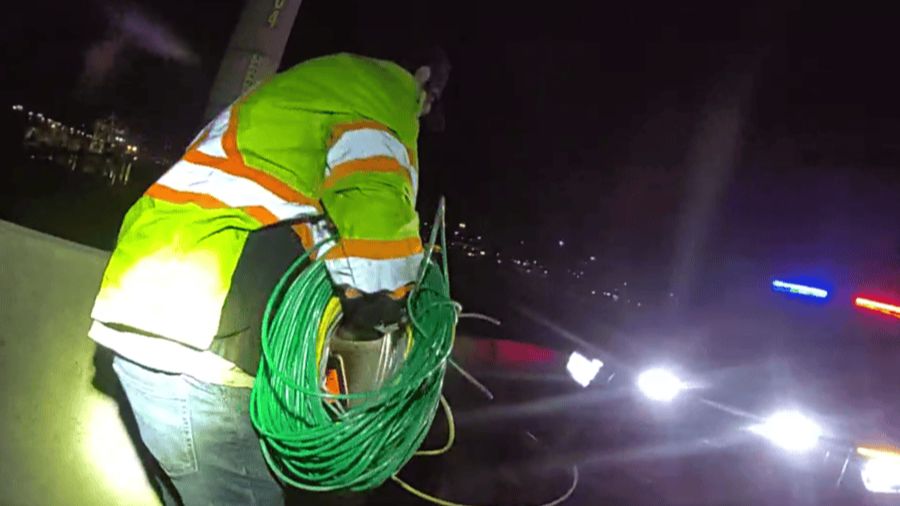
A photo of the suspect posing as a Seattle City Light employee on the West Seattle Bridge allegedly stealing copper wire. (Photo courtesy of the Seattle Police Department)
(Photo courtesy of the Seattle Police Department)
Let me see if I understand this correctly. Somebody steals $1,000 worth of copper — the damage they leave behind can cost the rest of us as much as $100,000 to repair.
Welcome back to the latest episode of things that make absolutely no sense. This time, we’re talking about copper wire theft.
Wait, before you click away because “copper wire” doesn’t exactly sound like the sexiest topic in Seattle, stay with me. This isn’t only about copper. It’s about us. Businesses, parks, transportation, streetlights, and then our wallets.
Kids are practicing in the dark
Let’s head over to Loyal Heights Playfield in Seattle. Thieves apparently opened electrical junction boxes and cut out copper wiring. Now the lights don’t work. Who pays the price for this? Kids!
Parents said youth football practices have been happening without the field lights. Think about how crazy that is. Somebody takes wire out of a box so they can make a few bucks selling the metal, and now an entire community loses the use of a public field after dark.
But Loyal Heights isn’t some isolated incident. We’ve seen copper theft hit businesses, transit infrastructure, and streetlights around the region. A suspect was arrested this summer after allegedly stealing roughly $1,000 worth of copper from the West Seattle Bridge. The estimated repair bill was $100,000.
I feel like we’re attacking the wrong end of the transaction. This is where we need common sense to kick in. For sure, arrest people stealing copper, but I’ve got another question. Why is stolen copper so easy to turn into money in the first place? If there’s no buyer, there’s not much of a business model.
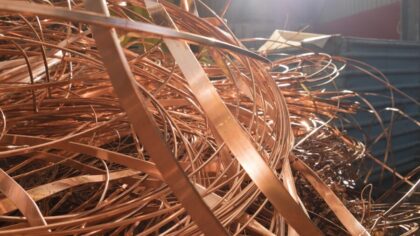
King County Prosecuting Attorney Leesa Manion is pushing lawmakers to take another shot at legislation designed to make stolen copper harder to sell. The proposal would require recyclers to document certain copper transactions, including photographs of the seller, identification, and the copper being sold, with information uploaded to a database accessible to law enforcement.
RELATED STORIES

Make stolen copper harder to sell
My reaction is simple: make it a felony to steal or buy. Had no problem placing felonies on possession of crack rocks. Well, put it on copper theft.
Also, if I walk into a bank and try to cash a check, somebody wants identification. If I rent a car, identification. If I check into a hotel, identification. Sometimes I feel like I need three forms of identification just to reset a password. Yet someone can show up trying to unload a pile of copper wire, and apparently our system still doesn’t always provide investigators an easy way to determine where that copper came from.
Sometimes our government makes problems unnecessarily complicated. We spend enormous resources chasing the person committing the crime, but the easier thing to do is attack the economics of the crime. Make stolen copper difficult to sell and make suspicious transactions traceable.
Shout out to the legitimate recyclers that have raised concerns about additional paperwork and administrative burdens. Those concerns deserve consideration, and any law should distinguish legitimate commercial recycling from suspicious transactions.
I’ll leave you with this. What’s the bigger burden? A few additional steps at the scrapyard, or parents trying to hold football practice in the dark? At some point, common sense has to enter the conversation.
The price isn’t the copper. It’s the dark streetlights, damaged bridges, broken refrigeration systems, interrupted transit, and lost business.
Guess who picks up the bill? Yes, taxpayers.
Please choke off the marketplace because there are a lot of folks tired of spending $100 fixing something so somebody else can make $1 destroying it.
Listen to Gee and Ursula on “The Gee and Ursula Show” weekday mornings from 9 am to 12 pm on KIRO Newsradio.
Follow @twitter.com/geescottsr