Mayor McGinn touts “tweets by beat”, gunshot detection system
Sep 27, 2012, 9:58 AM | Updated: Oct 11, 2024, 1:07 pm


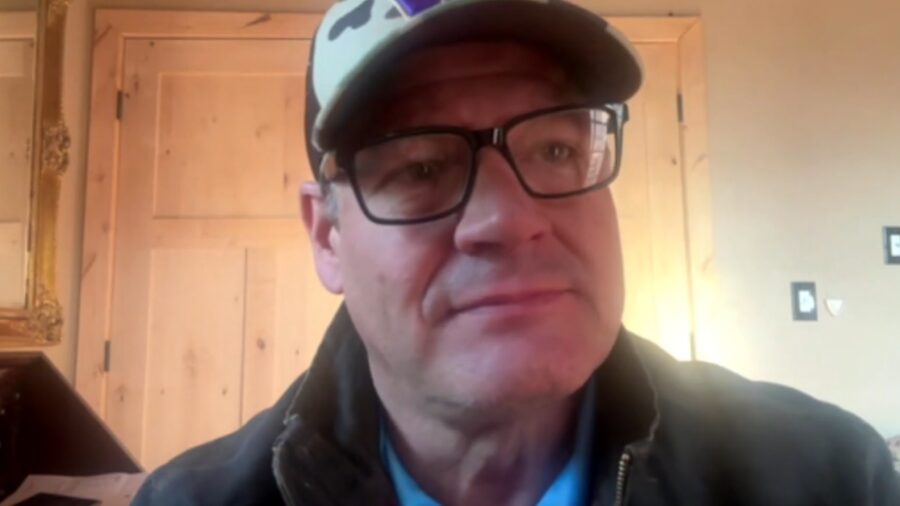
 Seattle Mayor Mike McGinn touts a new gunshot detection system during an appearance on KIRO’s Ross and Burbank (Josh Kerns/MyNorthwest.com photo) |
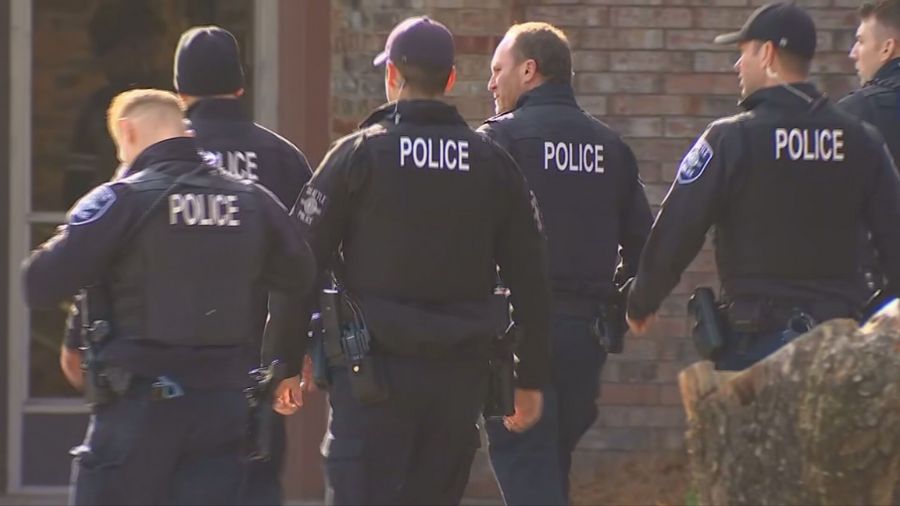
Seattle Mayor Mike McGinn says the police department has started tweeting nearly all 911 calls as part of the effort to increase transparency.
The mayor touted the Seattle Police Department’s new “Tweets by Beat program” during an appearance on Ross and Burbank. Under the new system, 911 calls are now being automatically forwarded to Twitter and sent out to followers by individual beat or area of patrol.
“This is actually really helpful stuff. What we discovered in Southeast (Seattle) was when we were having a burglary issue, having the community really engaged and knowing what was going on helped.”
McGinn says it’s all part of the effort to increase police transparency and accessibility. And he says so far it’s working.
“The fact that the community is paying attention, watching, makes a difference and really helps. And the partnership between the police and the community is really important.”
McGinn also touted a new gunshot detection system he’s proposed in his new budget.
The system uses a series of microphones and cameras. Whenever a gunshot or similar sound triggers it, it can pinpoint the location within a 50-foot radius and determine the caliber of weapon that was fired with a 90 percent accuracy rate, McGinn says.
“So with this they can get to the actual spot quicker, there’s the potential to be able to collect better evidence between city cameras and private cameras, you can start making determinations about where suspects have left a scene,” he says.
McGinn says he can’t identify any specific incidents where the system would have helped solve a crime, but says it’s not hard to imagine a number of circumstances where the system would have been valuable in the investigation.
“There’s good anecdotal evidence from other places on this,” he says.
Under his proposal, the city would spend about $950,000 to install about 50 mobile units that would be deployed near trouble spots or areas, and could be moved for special events.
“We don’t have enough dollars to cover the entire city, so what we’d have to do is buy sufficient equipment to cover an appropriate sized area,” McGinn says. “But then you could use data analysis to determine where you want it or maybe bring it to a place where there’s going to be a big event that could help you as well,” he says.