Seattle scientists leading the fight against malaria
Apr 25, 2017, 3:00 PM | Updated: Oct 11, 2024, 9:50 am

(Photo by John Tann, CC Images)
(Photo by John Tann, CC Images)
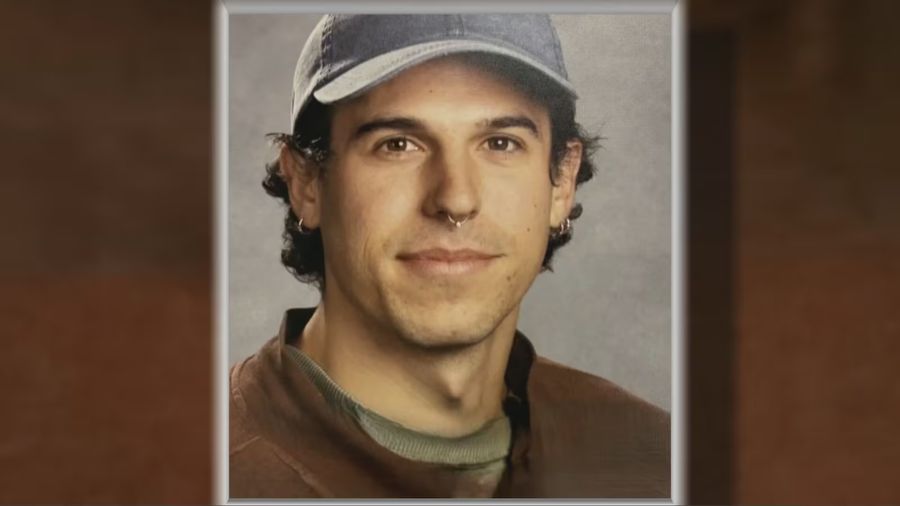
Seattle’s Rafael Hernandez sat inside a small, white, clinical room and allowed 200 malaria-infected mosquitoes to bite him. All in the name of science.
Hernandez is a volunteer in the malaria vaccine clinical trial at Seattle’s Center For Infectious Disease Research.
“They’re essentially in, what looks like, a Chinese takeout container with a fine mesh screen across the top,” Hernandez said. “We were asked to rest our arm across the top of this container for 10 minutes while the mosquitoes bit us. Essentially, when the mosquitoes bite, they transmit the malaria parasite. In this case the vaccine strain of it.”
RELATED: Fred Hutch director says people will die under Trump’s budget
There is currently no vaccine for malaria, and although it is treatable and there is preventative medicine, people in poor countries can’t always afford to be treated.
“I’m a pediatric infectious disease doctor,” Hernandez said. He also works at Seattle Children’s Hospital.
“I understand that vaccines are really some of the greatest public health strides that we’ve made in the last 100 years,” he said. “There are millions of people who get sick every year from malaria and we really don’t have an effective vaccine. I had hoped that this would work so I felt somewhat disingenuous knowing that these are real important vaccines to develop and not sign up. So I said, I’ll sign myself up.”
Finding a malaria vaccine
The Center For Infectious Disease Research is the largest independent non-profit in the world focused solely on infectious disease research. Principal scientist Sebastian Mikolajczak has been working on this vaccine for about 11 years in the Stefan Kappe Lab. To understand the vaccine you need to understand how contracting malaria works.
“So when you get bitten by a mosquito, which has malaria parasite in it, it first goes into your skin and then the parasite goes to your liver and it sits there for seven days,” Mikolajczak explained. “When you have the parasite in the liver, you actually don’t get sick. You don’t even know you have it. You have seven days of stress-free time. Then when the parasite comes out of your liver and goes to your blood, that’s when you get malaria and that’s what people associate with the disease. That’s when you get sick, that’s when you get fever.”
The vaccine is designed to kill malaria while it’s still in the liver, so it never enters the bloodstream. Scientists grow the malaria parasite in their labs so they can control it.
“What we do is we can actually engineer the parasite to do whatever we want it to do,” said Mikolajczak. “And that thing is be alive, go to the liver, but don’t come out, and die there. If we actually give many of these parasites to people, we actually think that we can immunize them. It’s cool because you don’t even have the disease because the parasite will not come out of the liver so you’re not going to get sick.”
They also grow their own mosquitoes.
“Because we want to have them as clean as possible, we don’t want to go outside and catch them. The mosquitoes we have here are actually from India because not all of the mosquitoes are infected with malaria parasites.
American mosquitoes are currently not.
In the lab, researchers infect human blood with the malaria parasite they’ve altered. That blood is fed to the mosquitoes, and then those infected mosquitoes bite the volunteers.
“It seems that even with 200 mosquitoes nobody got sick,” Mikolajczak said. “So now, in the summer, we can go to the next phase. Right now we know it’s safe, but we don’t know if it’s protective. Now we’re going to infect people with this vaccine, we’re going to give it to them twice or three times. Then, after a while, we’re going to give them the real infected mosquito with the real parasite to see if they’re going to get malaria because that’s the purpose of this clinical trial.”
He says it wasn’t hard to find volunteers to participate in the study. People in Seattle seem to like being involved in furthering science and health.
“I think that the bother of having to get bit by the mosquitoes, having an itchy arm for a week and then having to have some blood draws and stuff is really worth it,” Hernandez said. “This kind of work is really important.”