Bill would prevent mentally ill suspects from walking free
Jan 24, 2013, 7:52 AM | Updated: 8:24 am

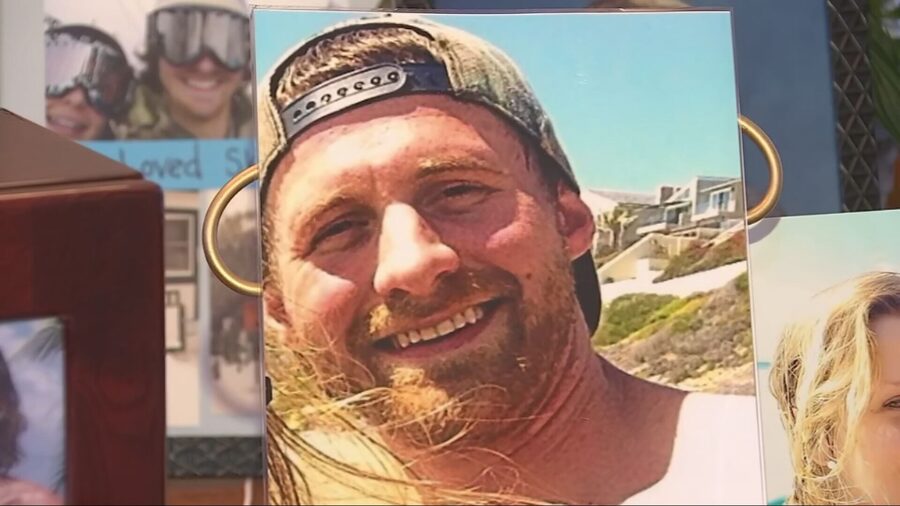
Under HB 1114, a suspect charged with a violent felony that is found incompetent to stand trial can be held for six-month periods in the care of Western State Hospital. (Photo courtesy DSHS)
(Photo courtesy DSHS)

State lawmakers in Olympia Thursday will hear public testimony on a bill to close a legal loophole that allows some mentally ill defendants to walk free.
House Bill 1114 would make it easier to civilly commit criminal defendants who are ruled incompetent to stand trial but still pose a threat to the community if released.
The proposed legislation is backed by Pierce County Prosecutor Mark Lindquist, who will speak on its behalf on Thursday.
“There have been cases in Pierce County, but also in other counties, where defendants were found incompetent to stand, but a few months later or even a few weeks later were released by Western State Hospital and then they went out and committed horrible crimes.”
One such case was 29-year-old Jonathon Meline of Tacoma, a diagnosed paranoid schizophrenic who killed his father with a hatchet in October. The previous year, Moline was found incompetent to stand trial for stealing a car and was released from Western State Hospital months before the murder.
Lindquist calls it the “gap law.”
“The standard for release is different, more lenient, than the standard for incompetence,” he said. “The suspects fall into a gap where they are too mentally ill to stand trial but not ill enough for Western State to keep confined.”
According to doctors at Western State, the largest psychiatric facility west of the Mississippi River, while the threshold for competency is determined by one’s ability to understand and assist in their own defense, the threshold for civil commitment is much different.
“Being incompetent doesn’t automatically mean that somebody meets the grounds for civil detainment and vice versa,” Dr. Marylouise Jones, clinical operations director at Western State Hospital, told KIRO Radio in a previous interview. “They are really two different statutes.”
A person can be committed against their will for one of two reasons: They suffer from a “grave disability,” which prevents them from caring for their personal health and safety needs, or they present a danger to themselves or others due to a mental disease, Jones said.
Dr. Brian Waiblinger, medical director at Western State Hospital, said they cannot commit someone who suffers from a mental illness simply because they have been accused of a crime.
“You have to understand that this person has not been convicted,” Waiblinger said. “It’s probably very difficult for the public, but ultimately it maintains the civil liberties of someone in a democratic society. It’s the consequence of living in a democracy. It’s a consequence of the statute.”
Waiblinger said current statutes are in place to prevent undue detainment.
“The net result is that you get these somewhat strange situations every once in a while,” he said. “They are not frequent, but they do happen.”
In Pierce County, where prosecutors charge roughly 6,000 felonies a year, there are only 10 such cases each year on average. A vast majority of defendants who are declared incompetent to stand trial will have their competency restored during 14, or 90-day periods in the care of Western State and will then return to face criminal charges in a court of law.
“This law won’t apply to many patients, but the ones it does apply to are especially dangerous,” said Lindquist, who told KIRO Radio in April of last year that he would seek to have the loophole fixed.
Under HB 1114, a suspect charged with a violent felony that is found incompetent to stand trial can be held for six-month periods at Western State. Those six-month periods can be repeated until the suspect is found competent to stand trial or is found safe to release into the community.