Bird flu hits medium-sized flock in Skagit County
Mar 20, 2026, 2:35 PM | Updated: 3:26 pm

Hens perch inside of a Hen Hut structure on a farm. (Photo: Anna Moneymaker, Getty Images)
(Photo: Anna Moneymaker, Getty Images)

Avian flu, which devastated the U.S. around this time last year, has hit Skagit County.
A medium-sized flock of backyard chickens is sick with bird flu, the Washington State Department of Agriculture (WSDA) reported Thursday.
Officials are worried the return of migratory waterfowl could heighten the risk of the virus popping back up in domestic birds, according to KIRO 7.
Spring migration is typically March through May, leading to an uptick in birds throughout the state, Dr. Amber Itle, a WSDA veterinarian, told the media outlet.
“Poultry owners should always maintain strong biosecurity, but it’s especially important during this period, particularly if birds have access to ponds or other areas that attract waterfowl,” Itle added.
RELATED STORIES
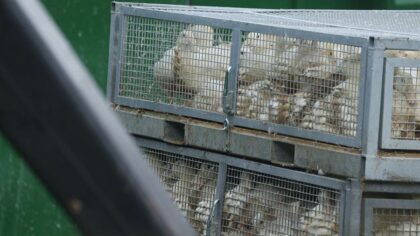


How to protect flocks from bird flu through biosecurity
Biosecurity is taking steps to prevent a flock from coming into contact with wild birds and their droppings. Poultry farmers are encouraged to keep their birds confined in an area with a roof that doesn’t let in water, WSDA stated on its website.
The U.S. Department of Agriculture (USDA) also offers tips for biosecurity on its website. Along with creating proper coop infrastructure, USDA recommends keeping visitors to a minimum.
“Only allow those people who take care of your poultry to come in contact with your birds. This includes family and friends,” officials stated.
Proper handwashing is another important factor of biosecurity. WSDA recommends washing hands before and after coming in contact with live poultry. Humans can carry illnesses from farm to farm and can also spread germs such as Salmonella.
Another recommendation is to provide disposable boot covers and disinfectant footbaths for anyone who comes into contact with the flock. Wearing protective clothing while handling birds, and changing clothes and showering after is also important.
WSDA advises bird owners to clean and disinfect tools or equipment before moving them to a new poultry facility.
Lastly, officials urge poultry farmers to watch for signs of bird flu, including sudden death without clinical signs, lack of energy and appetite, decreased egg production or soft-shelled eggs, and swelling of the head, comb, eyelids, wattles, and hocks. They also warn to look for purple discoloration of the wattles, comb, and legs, as well as nasal discharge, coughing and sneezing, incoordination, and diarrhea.
Before Skagit County, the last case of bird flu in Washington was found in a small mixed flock of backyard birds in Yakima on Feb. 2.
Follow Julia Dallas on X. Read her stories here. Submit news tips here.