Seattle council president Bruce Harrell: Sometimes we have to build police stations
Aug 17, 2016, 7:23 AM
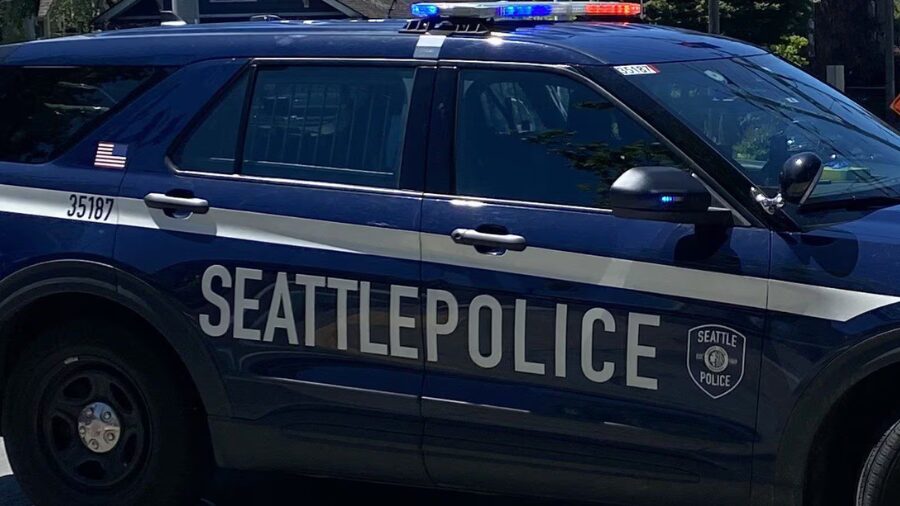
As a charged public demanded Seattle’s city council halt plans on a proposed north police precinct, council member Tim Burgess took the time to state why he is supporting the new station. Now, council president Bruce Harrell has said why he will support its construction.
But there’s a problem. Essentially, the public hasn’t caught up to the council.
“This is a tough one,” Harrell told the Seattle Channel’s City Inside/Out. “I do not think we’ve convinced the public at all that this is a good investment.”
Tim Burgess argues why he supports the proposed north police precinct
“We have been presented with a lot of data that suggest that we have to build a station and it’s going to be costly,” he said. “Yes, it’s sticker shock.”
“But we have to build libraries and combined sewer overflow systems and sometimes we have to build police stations. It’s part of what we do,” Harrell said.
The council president has gone on the record that he does not support the new north precinct as proposed. He said that it has to cost much less. Less than the $160 million originally proposed, and hopefully less than the $149 million it is currently slated for.
Block the Bunker vs. Bruce Harrell
Public opposition to the north precinct has dubbed itself “Block the Bunker.” The group considers the proposed police station a bunker, in reference to its blast proof outer walls — designed to withstand a 9.0 earthquake. The opposition has aligned the proposed station with white supremacy and the frequent incidents of African American deaths at the hands of police across the country.
The group has been so vocal that a recent council meeting was constantly interrupted, and Council President Bruce Harrell was forced to halt the meeting until he could regain order in the chambers.
Harrell stresses that the council has heard these concerns. He echoes Burgess’ argument that the new station is part of reforming the Seattle Police Department.
“We have to convince the public that we are not tone deaf and that we care about the public’s dollars and we are the stewards of those dollars,” he said. “And that we hear communities that are concerned about police misconduct and police brutality.”
Follow @https://twitter.com/DyerOxley