Uber responds to potential rideshare tax in Seattle
Mar 22, 2019, 12:38 PM | Updated: 2:45 pm

Uber and Lyft drivers push for better pay. (AP)
(AP)
Between the City of Seattle and rideshare companies, it seems that some form of fee is being considered for getting around town.
Seattle officials have considered a new tax on rideshare companies such as Uber and Lyft for months, but have yet to introduce legislation to make it happen. But rideshare companies like Uber promote another option — congestion pricing for all vehicles.
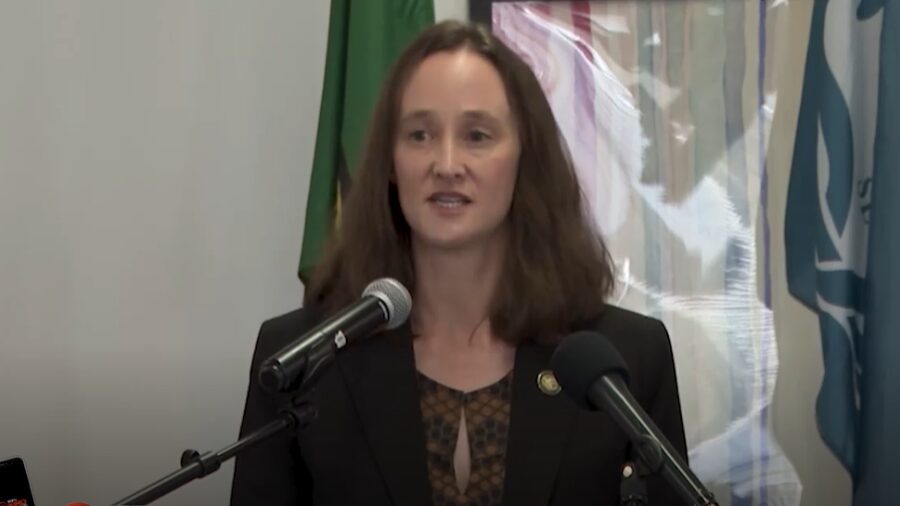
“We would be concerned about any proposal that hurts low-income riders and decreases trips for drivers,” said Nathan Hambley with Uber. “Uber supports a collaborative approach to reducing congestion through broad-based road pricing, investing in transit and bike infrastructure, and providing benefits to drivers.”
RELATED: Most common, bizarre items left in a Seattle Uber
RELATED: Where Seattle Ubers, Lyfts traveled to most in 2018
The Seattle Times reports that Mayor Jenny Durkan and the Seattle Department of Transportation have been crafting a fee or tax on transportation network companies, akin to rideshares like Lyft and Uber.
SDOT reportedly argues that these companies are adding to congestion on Seattle roads, and are competing with mass transit, walking, and biking, according to public records obtained by the Times.
The documents add a new layer to what KIRO Radio Reporter Mike Lewis reported in January about the potential of an Uber / Lyft tax. That report stated that the city could aim the tax at transit, homelessness services, and health benefits for rideshare drivers.
Little details are known about the exact tax the city is considering. The records provided to the Times had significant portions redacted. Though it is possible that something similar to proposals in San Francisco and New York are possible — a $6-per-ride fee. Such taxes in other cities are proposed to help fund transit or schools.
SDOT also reportedly argues that the rideshares contribute to CO2 pollution, which is counter to the city’s climate change goals.
The City of Seattle has consulted a market research survey of residents about their level of support for such a tax. It was completed in December 2018, nearly five months after the Times reports that officials began working on the rideshare tax proposal. The city did not pay for it. As Lewis notes:
Oftentimes in polls like this, a third party is tasked with issuing the poll — in some cases, it could be a union friendly to city council. The union will then do a poll on their own issues, and then add in questions about the policy as requested by the city.
Sources told Lewis that while officials knew about the research, the mayor’s office neither commissioned nor paid for the survey. They further noted that the survey does not necessarily mean the city will pursue legislation, especially given that seven out of nine total council seats are up for election in 2019.
Rideshare companies have done well in Seattle over the past few years, going from 8.7 million trips in 2015 to about 32.6 million trips last year. City officials state, via documents, that rideshare users tend to be more affluent and college educated.
While Uber does not support a tax on rideshares, the company has publicly supported other proposals Seattle is working on, such as congestion pricing. Mayor Durkan has said she wants some form of congestion pricing in downtown Seattle by the end of her first term in 2021. The city has acquired grant funding to study the possibility in the meantime.
Uber is slated to spend $10 million over the next three years to promote congestion pricing in cities like Seattle.
Rideshares already pay the City of Seattle a licensing fee of 14 cents per trip, and 10 cents for accessibility and administration. In King County, they pay 33 cents per trip to fund administration.
Uber argues that it paid the city and King County about $6 million over 2018, “meaning that they received around $10 million from TNC per-trip fees altogether last year. This money was paid via quarterly installments from fees collected from riders,” according to the company.
Follow @http://twitter.com/Mynorthwest