Sobriety checkpoints get strong support in new report to state lawmakers
Dec 4, 2013, 2:23 PM | Updated: Dec 8, 2013, 1:28 pm
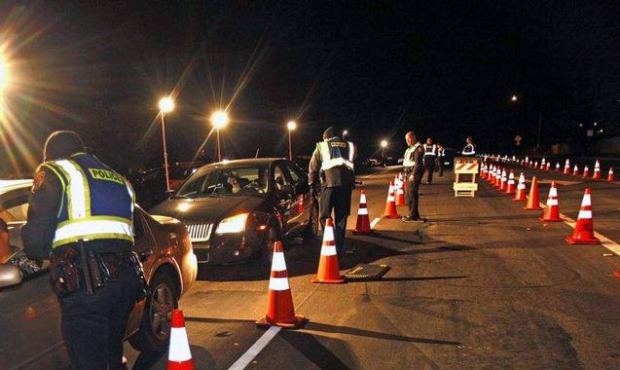

While random sobriety checkpoints have been ruled unconstitutional in Washington state, a panel looking to reduce drunk driving strongly supports them in a new report.
The 33-member Washington Impaired Driving Work Group delivered its 152-page report to the Legislature Monday. The group of lawmakers, police officers, lawyers, victim’s families and other experts was created by the Legislature this year in the wake of several high-profile DUI crash deaths.
The group looked at 11 specific ideas for reducing DUIs and then ranked them according to their level of support and order of priority.
Despite widespread opposition to random sobriety checkpoints by various groups, including the ACLU over privacy concerns, 82 percent of the members supported sobriety check points. The group placed it fourth in order of priority.
“These are great. I think the research has shown that this should be a priority,” said group member Dan Schulte in the report. His parents were killed and his wife and newborn son critically injured when a repeat drunk driver plowed into them as they crossed the street in North Seattle last spring.
The report cites research that shows sobriety checkpoints are “the most effective strategy” reducing DUI fatality and serious injury collisions, said member Darrin T. Grondel with the Washington Traffic Safety Commission. “In the 39 states and provinces which have implemented checkpoints, they have seen a 15-33% reduction in fatality collisions. In a 10-year span, WA State has only had a 2% reduction in DUI related fatalities.”
But several other members either opposed the checkpoints again on constitutional grounds, or argued amending the constitution would be too difficult a hurdle that would detract from other DUI efforts.
“Scary… where does this slippery slope lead to?,” said Richard B. Hume, Seattle Municipal Court Probation Services Division.
The group’s top priorities included increasing penalties for drivers who refuse to take a blood or breath test and increasing mandatory minimum prison sentences and fines for repeat offenders.
It also recommends making DUI a felony before the fifth offense as it is now under current law.
Lawmakers considered making DUI a felony sooner during a special legislative session in June, which resulted in some strengthened DUI laws. But lawmakers determined at the time that it was too expensive, among other concerns.
The group members most strongly supported the promotion and use of ignition interlock devices, with 97 percent backing their increased use for those convicted of DUI. But the devices ranked as just the 10th priority in the report.
The least supported policy considered by the group was banning alcohol for repeat offenders, another idea considered this year by the Legislature. Just 18 percent of the panel supported the idea.
“This is laughable,” said group member Brad Fralick with interlock manufacturer Consumer Safety Technology. “Even if you could limit purchasing, this does nothing to stop the consumption or driving after consuming.”
The report will be used to help lawmakers planning to draft new DUI laws in the upcoming legislative session.