UW researcher: Low-cost ketamine treatment shows promise in helping fentanyl users seek recovery
Feb 26, 2026, 9:55 AM
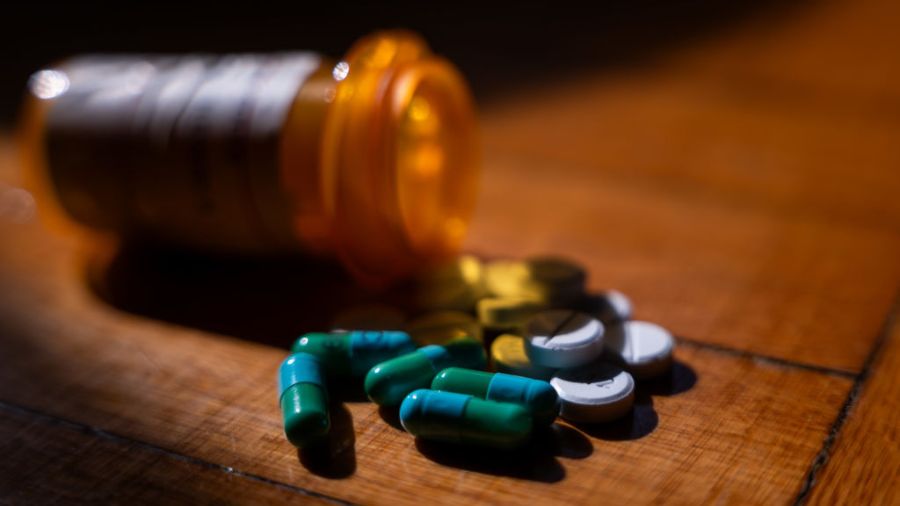
In a photo illustration, prescription drugs are seen next to a pill bottle. (Photo: Spencer Platt, Getty Images)
(Photo: Spencer Platt, Getty Images)

A University of Washington (UW) researcher said a treatment costing less than 50 cents could help people addicted to fentanyl make the difficult transition to a medication that can save their lives.
Dr. Lucinda Grande, a clinical associate professor of family medicine at UW, has spent 12 years studying extremely low doses of ketamine for chronic pain and depression. Her latest research focuses on using the drug to help people move from fentanyl to buprenorphine, one of two highly effective treatments for opioid use disorder.
The findings were published in a peer-reviewed paper two weeks ago.
“It’s really wonderful, because trying to get people transition from fentanyl to buprenorphine has been really a challenge because of the withdrawal symptoms that people have to go through,” Grande said in an interview with “Seattle’s Morning News” on KIRO Newsradio.
The problem, Grande explained, is that people trying to quit fentanyl face a difficult choice. They can wait a long time after their last dose and endure severe withdrawal symptoms. Or they can start buprenorphine and risk triggering even worse withdrawal.
That fear keeps many people using fentanyl instead of seeking treatment.
“A lot of people who use fentanyl are really worried about that and would really rather not go through that risk, and they just continue using fentanyl instead of getting into this really effective treatment,” Grande said.
RELATED STORIES



Study shows rapid results
The research described in the recent paper took place at a 24-hour crisis center in Alabama. Dr. Luke Engerreiser, the addiction medicine fellowship director at the University of South Alabama and the clinic director, adapted a technique Grande had been using in outpatient settings.
Engerreiser systematically administered very small amounts of ketamine to patients already experiencing moderate withdrawal symptoms. The results were striking.
“Thirty minutes later, their withdrawal was basically resolved, or at least greatly reduced, and then they were able to take a therapeutic dose of buprenorphine without it causing the worsening of withdrawal,” Grande said. “And that was really all they needed. And they were now at a therapeutic level of buprenorphine and could move forward with their life.”
Buprenorphine is the active ingredient in brand-name medications like Suboxone and Sublocade, which are commonly prescribed to treat opioid addiction.
A pathway to stability
Grande emphasized the life-changing potential for people who successfully make the transition to buprenorphine or methadone, the two primary medications used to treat opioid use disorder.
People addicted to fentanyl face constant risk of overdose death, she said. They also spend their days consumed by the need to obtain enough of the drug to stave off withdrawal symptoms.
“When they’re able to get on to either buprenorphine or methadone, they don’t have to worry about that anymore,” Grande said. “They don’t have withdrawal symptoms. They don’t have a craving. They know when their next dose is going to be because it’s available and by prescription, and they can start thinking about getting a job, repairing relationships in their life, just moving forward with their life.”
Addressing misconceptions
Grande pushed back against the notion that medication-assisted treatment simply replaces one addiction with another.
“There are people who view the use of any medication as if it were replacing one drug with another,” she said. “And it really is different from that, because when you’re taking buprenorphine or methadone, you don’t feel like you’re on a drug. You feel normal.”
She noted that addiction involves uncontrolled use of a substance despite knowing it causes harm. That definition does not apply to properly prescribed buprenorphine or methadone.
“It’s not harmful, and it’s not uncontrolled, so it’s really just like taking a blood pressure medicine in order to control a symptom,” Grande said.
Awareness remains a barrier
Despite the promising results, Grande acknowledged significant obstacles to the widespread adoption of the ketamine-assisted technique.
People struggling with fentanyl addiction who want to try the treatment may find their doctors unfamiliar with it. Even addiction specialists may not know about the approach because it is so new.
“Unfortunately, if they go to their family doctor, the family doctor may not know about it for one thing, and even if they do look it up, they may say, this is kind of outside my bailiwick,” Grande said. “It isn’t something I’m comfortable with, and they would direct the person, perhaps to an addiction treatment program. And even the addiction treatment programs will not be familiar with it, because it’s really very new.”
Grande said she hopes increased awareness will encourage more medical professionals to explore the treatment option.
“By people listening to this and going and talking with their specialists, that will raise awareness,” she said. “I’m really happy to have the opportunity to talk about it, to raise awareness and get more people interested and willing to treat patients.”
The scope of the crisis
The research comes as communities across the country continue to grapple with the devastating impact of synthetic opioids. Fentanyl has become the leading cause of drug overdose deaths in the United States, killing tens of thousands of Americans each year.
The drug is significantly more potent than heroin and is often mixed into other substances without users’ knowledge, increasing the risk of fatal overdose.
Treatment options for opioid use disorder have expanded in recent years, but barriers remain. Many people who could benefit from medication-assisted treatment never receive it, whether due to stigma, lack of access, or the difficulties associated with transitioning from street drugs to prescribed medications.
Grande’s research suggests that a simple, inexpensive intervention could remove one of those barriers, potentially opening the door to recovery for people who might otherwise continue using fentanyl.
The technique requires further study and wider adoption before it becomes a standard part of addiction treatment protocols. But for researchers and clinicians working on the front lines of the opioid crisis, the early results offer a reason for cautious optimism.
Manda Factor is the host of “Seattle’s Morning News” on KIRO Newsradio. Follow Manda on X and email her here.