
Big banks bearish on Boeing
Sep 3, 2024, 11:53 AM | Updated: 2:49 pm
Sep 3, 2024, 11:53 AM | Updated: 2:49 pm

Seattle lost more than 18,000 jobs from 2024 to 2025, with downtown accounting for roughly 70% of those losses.
22 minutes ago
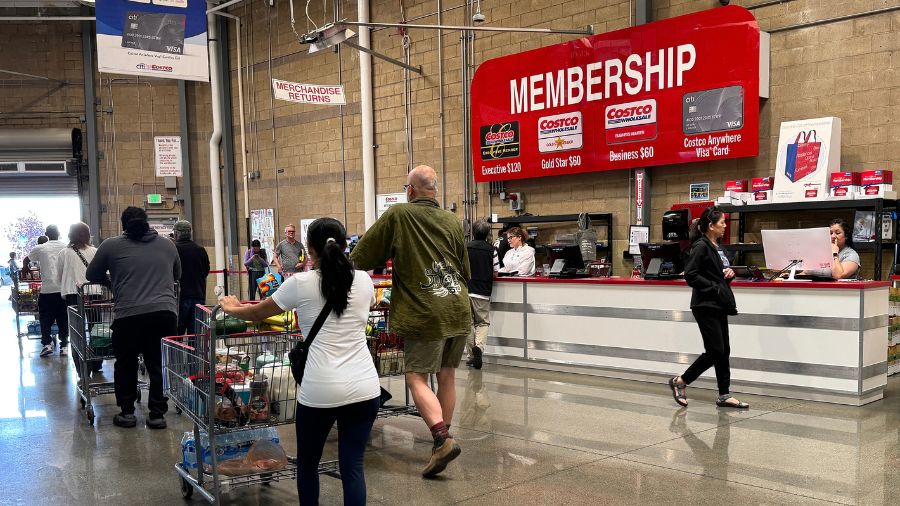
Costco's massive tariff refund — totaling more than $180 million — led KIRO hosts Jake Skorheim and Spike O'Neill to debate who should really receive it.
2 days ago

Seattle workers can expect a pay increase in the new year, as the city’s minimum wage will rise to $22.14 an hour on Jan. 1.
2 days ago
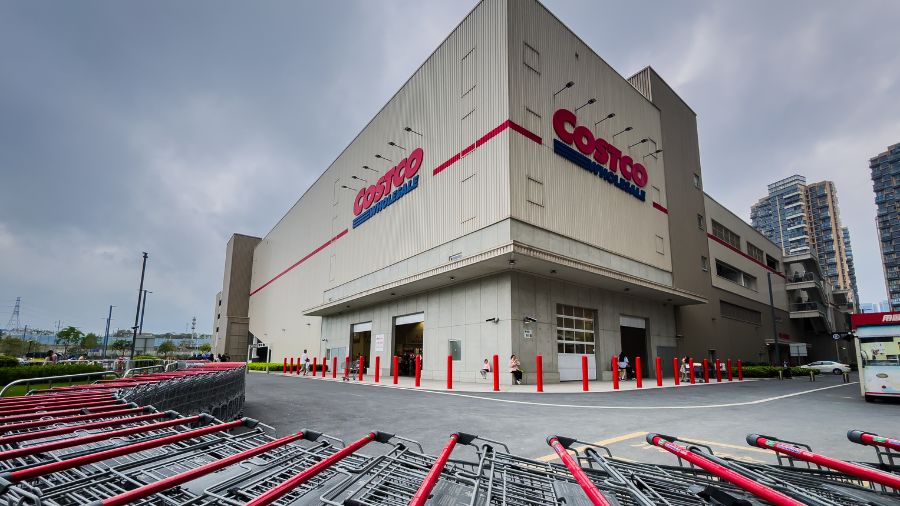
Costco revealed it has received $184 million in tariff refunds from the federal government, with more money expected.
5 days ago

Washington ranked as the second-worst tipping state in the country, according to data from restaurant payments platform Toast.
7 days ago

Seattle Mayor Katie Wilson unveiled a $9.1 billion budget proposal for 2027-2028 Tuesday that includes $50 million in cuts but no major new taxes.
8 days ago

Meier and the co-authors conducted a 10-year trial measuring outcomes of over 300 patients treated with CyberKnife across 21 centers.

In a world of crowded grocery aisles and endless labels, one designation cuts through the noise with a guarantee you can trust: USDA Organic.

As temperatures climb across the Seattle area, many homeowners are discovering that their air conditioner is running but not cooling the home effectively.

The scammers share a playbook: Arrive uninvited, claim to see damage, start work before the homeowner has time to think. If you are a homeowner in the Puget Sound area, these seven steps can protect you from being a victim in the next scam.

One in eight men will hear the words "you have prostate cancer" in their lifetime. Unfortunately, many men tend to overlook the importance of preventative care.

Award-winning Aegis Living Queen Anne Rodgers Park offers assisted living and memory care with a vibrant, Seattle-rooted lifestyle.


