Seattle mayor issues first two executive orders on homelessness and transit
Jan 15, 2026, 1:13 PM | Updated: 3:00 pm

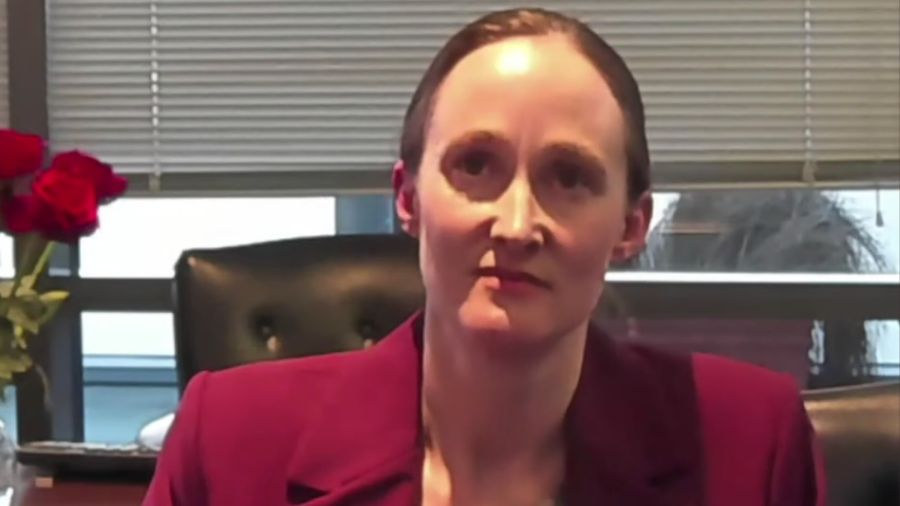
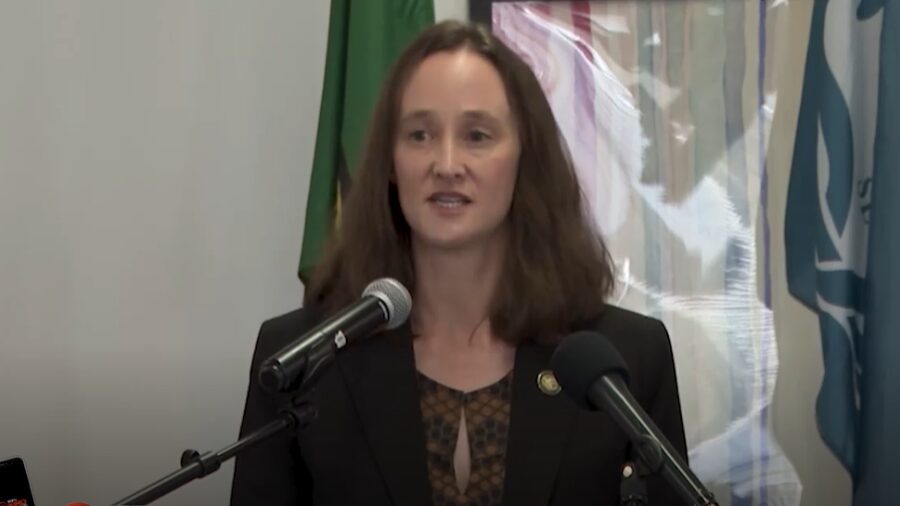
Seattle Mayor Katie Wilson addressing the media in a press conference. (Photo courtesy of KIRO 7)
(Photo courtesy of KIRO 7)
Seattle Mayor Katie Wilson signed two executive orders Tuesday aimed at accelerating the expansion of emergency shelter and affordable housing, and improving transit reliability along one of the city’s busiest corridors.
Wilson announced the actions at a transition team meeting, framing them as immediate steps to address homelessness and mobility.
“Today I am taking immediate action to address our homelessness crisis and improve mobility on a key transit corridor,” Wilson said. “We need to bring more people inside, and we need transit that works.”
City to expand shelters, affordable housing
One executive order directs the city to speed up the expansion of emergency shelter and affordable housing by launching an interdepartmental team to identify financial incentives, permitting changes, and other policy adjustments to move projects forward more quickly. The order also prioritizes the use of city-owned and other public land for temporary or permanent shelter and housing and calls for coordination with regional partners to add capacity to existing shelter programs.
City departments are also instructed to identify best practices for working with behavioral health providers to support substance use disorder treatment and mental health services within shelter and housing programs.
“People, understandably, might not want an encampment near their business or their residence, but if we’re moving people along without actually getting them inside, then they’re just going to another place, and they’ll be back,” Wilson explained.
The announcement comes days after Wilson halted the planned removal of a controversial homeless encampment in Ballard, where residents and business owners have raised concerns following shootings, assaults, and break-ins nearby. Wilson visited the site Monday, saying she needed more time to evaluate the city’s approach to homelessness.
Advocacy groups and community members reacted sharply to the decision, underscoring the political tension surrounding the issue early in Wilson’s tenure. Among them was We Heart Seattle Executive Director Andrea Suarez, who works directly with the homeless.
“It’s a ticking time bomb for the community, whether it’s fires, crime, assaults, theft of all kinds,” Suarez said.
Wilson said she wants to see measurable progress on expanding shelter and housing before Seattle hosts World Cup matches next summer.
RELATED STORIES



Dedicated bus lane coming to Denny Way
The second executive order focuses on transit improvements along Denny Way, a major east-west route that carries one of the city’s busiest bus lines. Wilson directed the Seattle Department of Transportation to begin immediate work on implementing at least one dedicated bus lane, potentially one in each direction, along with other transit upgrades.
“Especially during rush hour, man, you can go out there, and you think that the bus is coming and you’re still sitting there 20, 30, 40 minutes,” Wilson said.
The mayor said transit riders have been asking for a dedicated bus lane on Denny Way for years, noting it is the same route she regularly uses to commute. The order aims to improve on-time performance and reliability for existing riders and encourage increased transit use along the corridor.
“I live up on Capitol Hill, fairly near to the Route 8 bus line, so that is my bus,” Wilson said. “It takes me to my daughter’s daycare, so that’s a bus I’m very, very familiar with.”
During her campaign, Wilson pledged to prioritize efforts to move people experiencing homelessness off the streets and into shelter and housing, while also investing in transit improvements to reduce congestion and improve daily commutes.
Follow Luke Duecy on X. Read more of his stories here. Submit news tips here.