4 Democratic-backed Supreme Court candidates win; Republican-backed candidate narrowly leads
Nov 9, 2026, 4:34 PM | Updated: 4:34 pm

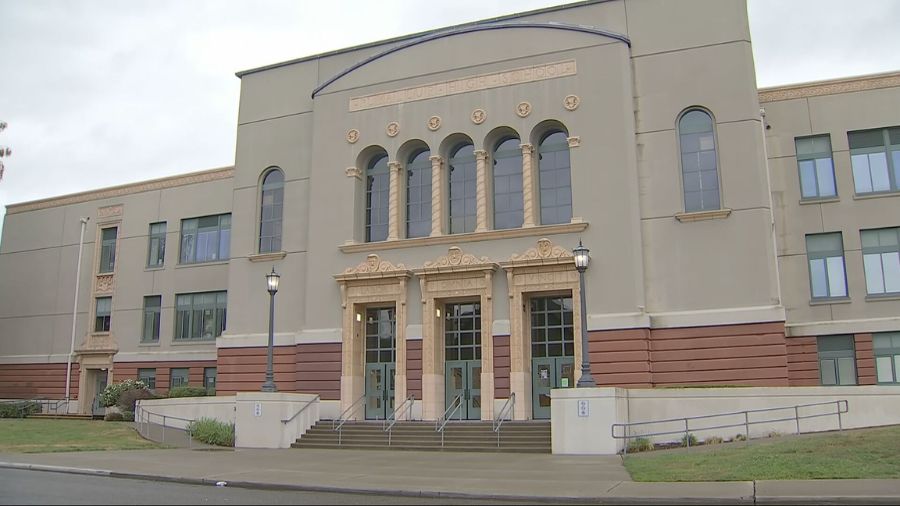
The Temple of Justice at the Washington State Capitol Campus. (Photo: Julia Dallas, MyNorthwest)
(Photo: Julia Dallas, MyNorthwest)

Four Democratic-backed candidates have won their races for the Washington Supreme Court, while the fifth race remains uncalled.
The Seattle Times called the races for Colleen Melody, Theo Angelis, Jaime Michelle Hawk, and Debra L. Stephens.
Governor Bob Ferguson appointed Melody and Angelis, KIRO 7 reported. Ferguson and Spokane Mayor Lisa Brown endorsed Hawk, according to Washington Courts. Stephens is also backed by Ferguson, Washington Courts noted.
Meanwhile, Sean O’Donnell, who was endorsed by the GOP, according to Washington Courts, continues to hold a narrow lead over Ian Birk in the remaining race.
Sean O’Donnell narrowly leads Ian Birk for Position 4
O’Donnell joined “The John Curley Show” on KIRO Newsradio in October, saying a late flood of outside spending against him threatened public trust in Washington’s courts. He pointed to a recent Public Disclosure Commission decision not to enforce limits on contributions to independent expenditure groups once voting is underway. He said that within 72 hours, more than $300,000 went to a group supporting his opponent, followed by about 300,000 mailers. He put the total spent on attack ads against him at more than $1.5 million.
O’Donnell argued that his opponent has run a partisan campaign in a nonpartisan race and that outside groups have followed suit by labeling him MAGA.
“If you have a record on your side, you pound on your record. If you have a vision on your side, you pound on the vision, and if you have neither, then you get on top of the Space Needle and cry MAGA,” O’Donnell said.
O’Donnell outlined what he sees as three contrasts with his opponent, Ian Birk: experience, judgment, and public safety. He said he has been a judge a decade longer and that no current or prospective justice has his public safety background. O’Donnell has 50.4% of the votes counted, while Birk has 49.3% in the race for Position 4.
Birk was appointed by former Washington Governor Jay Inslee in April 2022 and ran unopposed to retain his seat, according to Washington Courts. He joined “Seattle’s Morning News” on KIRO Newsradio.
“I’m a judge right now at the Washington State Court of Appeals, and I am running with strong urging from some of my colleagues at the Court of Appeals to go one step up to the Supreme Court, which does much of the same work we do,” Birk said. “It writes judicial opinions that become the law of Washington, and if I can bring kind of my work product that has been so compelling to my colleagues at the Court of Appeals to the Supreme Court, I want to do that.
“And I would add, I spent 20 years as a lawyer representing ordinary Washingtonians when they needed the court system to work for them,” he continued. “And whether it was a house fire or they needed coverage for cancer treatment or whatever it was, I think that’s a really valuable perspective to have in the Supreme Court conference room.”

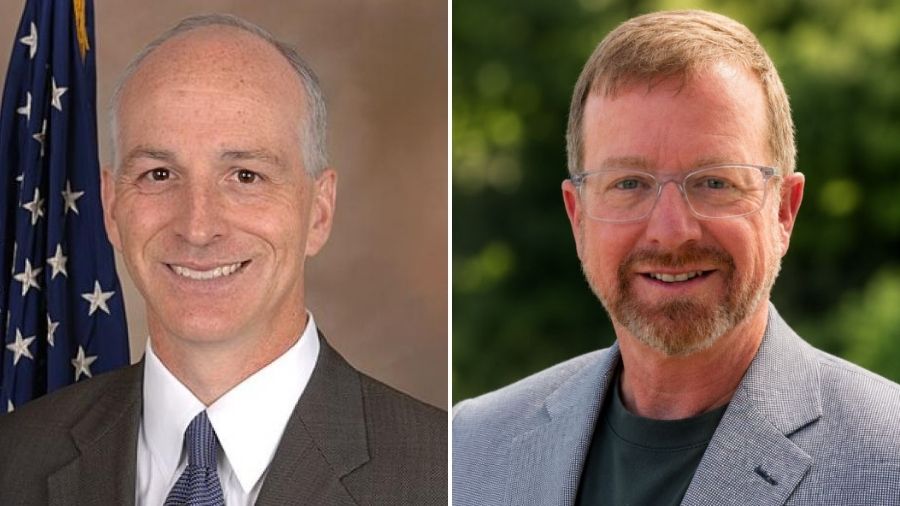
Ian Birk (L) and Sean O’Donnell (R). (Photos courtesy of KIRO 7)
Colleen Melody wins Position 1 race by wide margin
Scott Edwards, who lost to Melody by a wide margin in Position 1, also appeared on “The John Curley Show.” He believes the state constitution treats income as property and that judges should not reinterpret that language to advance a preferred tax policy. When KIRO host John Curley asked how he would argue against treating income as property, Edwards rejected the premise.
“I don’t know that there’s a credible argument for the other side on that,” he said.
Edwards received 39.6% of votes, while Melody received 60.1%.
Melody began serving as the 100th justice of the Washington Supreme Court in January. Before that, she served as the Chief of the Civil Rights Division in the Washington State Attorney General’s Office for 11 years, as stated on Washington Courts.
“During Justice Melody’s tenure, the Civil Rights Division led some of the most visible and cutting-edge enforcement matters the office undertook,” Washington Courts stated. “That included co-leading Washington’s multi-state lawsuit to protect the availability of abortion medication nationwide, as well as challenges to the federal government’s Muslim Travel Ban, Transgender Military Service Ban, effort to end birthright citizenship, and attempt to repeal the Deferred Action for Childhood Arrivals program (DACA).”
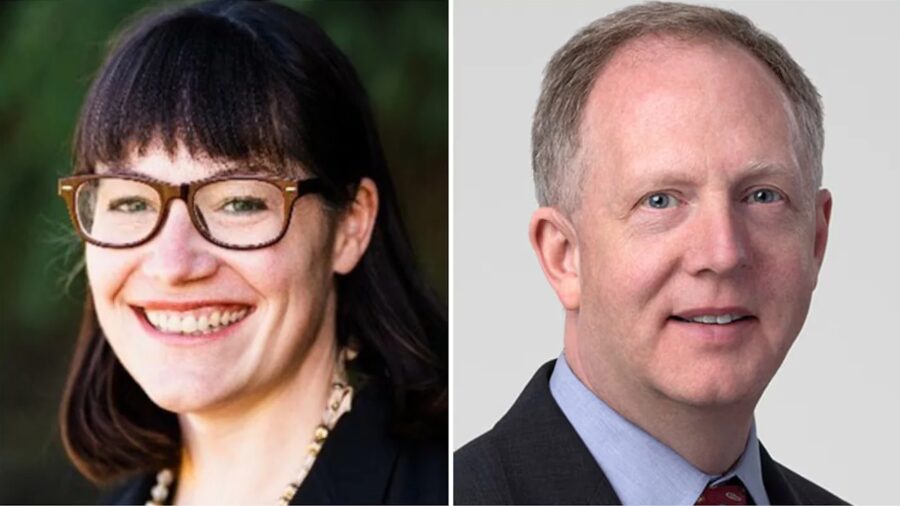
Colleen Melody (L) and Scott Edwards (R). (Photos courtesy of KIRO 7)
Dave Larson loses to Theo Angelis for Position 5
Dave Larson, who lost to Angelis in Position 5, appeared on “The John Curley Show” last month. He criticized campaign mailers portraying him as aligned with President Donald Trump, arguing that political attacks undermine confidence in a judiciary that should serve everyone.
“Around 900,000 people got a mailer that says I’m MAGA,” Larson said.
Larson’s broader argument was that judicial campaigns should not imply candidates will deliver predetermined political outcomes.
“I think we, as a judiciary, should insist that other people not campaign that way too, because it pollutes the judiciary,” Larson said. “It foists politics onto us, and that’s what we’ve done … We’re at a crossroads. We can either say enough is enough. We’re not going to allow this anymore. We can be an example for the rest of the nation about how to get politics out of the judicial race.”
He also questioned the appearance created by Angelis’ appointment by Ferguson, citing what Larson described as a lengthy history of campaign contributions to Ferguson. Larson emphasized that he likes Angelis personally but believes those connections raise questions about public confidence.
Angelis began serving on the Washington State Supreme Court in April, according to Washington Courts. He is an award-winning appellate and intellectual property litigator.
“Angelis represented some of the leading companies in Washington, but he also spent thousands of hours on pro bono cases,” Washington Courts stated. “His philosophy is that all lawyers have a duty to protect those in need, expand access to justice, promote the rule of law, and use their skills to improve their communities.”
Angelis received 55.9% of the vote, while Larson received 43.8%.
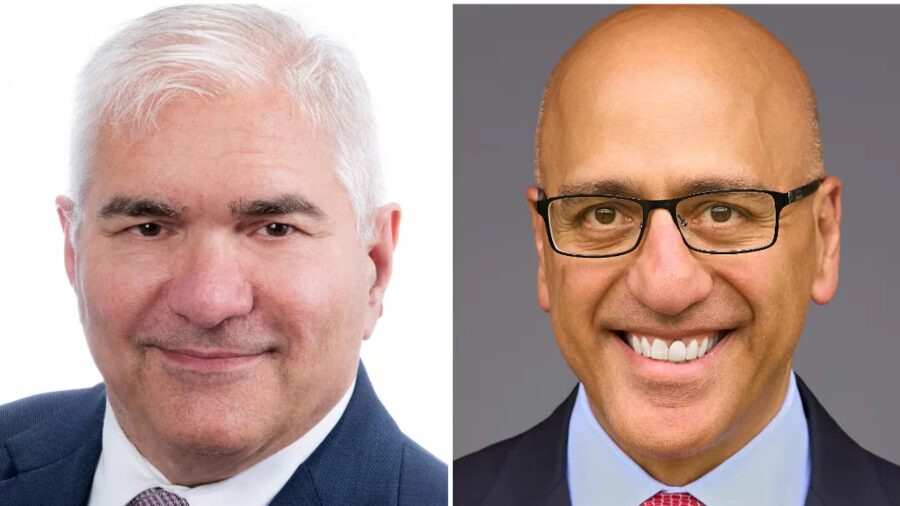
Dave Larson (L) and Theo Angelis (R). (Photos courtesy of KIRO 7)
Jaime Michelle Hawk defeats David Stevens for Position 3
Hawk won Position 3 with 57.9% of the votes, while David Stevens lost with 41.8%.
Stevens appeared on “The John Curley Show” on KIRO Newsradio in October. He has more than 20 years in the courtroom as a state prosecutor, federal prosecutor, and international law prosecutor — including rule of law work in Afghanistan.
Stevens highlighted a lack of transparency about how judges shield one another from electoral challenges and keep voters in the dark about their judicial philosophies. He also argued that judicial campaigns too often emphasize résumés and endorsements rather than how candidates interpret the law.
“I think it’s actually collusion on the part of judges,” Stevens said.
Asked what prompted him to run for office, Stevens pointed to his experience as a senior felony prosecutor in Mason County. He described disagreements with a judge appointed by then-Gov. Jay Inslee over bail decisions, including cases in which he believed defendants posed serious risks.
“Somebody needs to get out there, and they actually need to tell people what’s going on,” he said.
Meanwhile, Hawk is the first attorney with the American Civil Liberties Union (ACLU) to become a judge in Washington, according to her campaign website. She has defended people arrested by U.S. Immigration and Customs Enforcement (ICE) and was an attorney fellow on Senator Ted Kennedy’s U.S. Senate Judiciary Committee staff.
Hawk is “committed to fairness, court independence, and the rule of law,” according to her website.
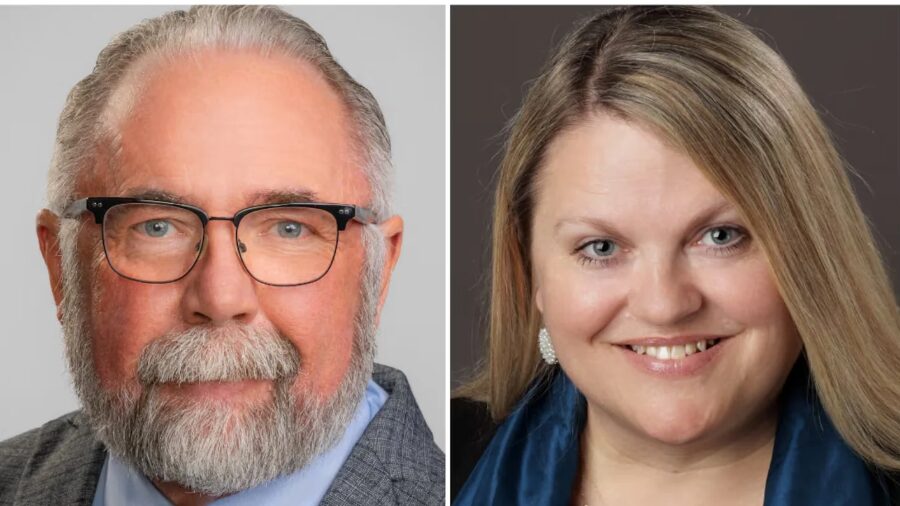
David Stevens (L) and Jamie Hawk (R). (Photos courtesy of KIRO 7)
RELATED STORIES

Todd A. Bloom loses to Debra L. Stephens for Position 7
In Position 7, Stephens defeated Todd A. Bloom with 63.6% of the votes counted to his 36.1%. Bloom spoke with “Seattle’s Morning News” in October, framing the race as what he called a chance to make history.
“This is a historic opportunity for us to say, ‘How do we think the court’s doing its job?'” Bloom said. “And this is really, in my view, classic accountability at the ballot box. Voters can look around the state and say, ‘How are the Supreme Court’s decisions affecting my life, and how are they affecting quality of life here in the state of Washington?’ And with this historic opportunity with five seats on the ballot this year, one of my objectives when I filed was really to give the voters of Washington State an opportunity to basically change out the bench, or at least enough of it to really make a difference.”
His experience includes nearly 22 years of military service, work in finance, arbitration involving multimillion-dollar disputes, and service on the state bar association’s Board of Governors. He said those roles prepared him for judicial decision-making and the Supreme Court’s rulemaking responsibilities.
Stephens has served on the Washington State Supreme Court since 2008, according to her campaign website. She advocates for an independent judiciary and courts that are open and accessible to everyone.
“Every Washingtonian deserves a fair day in court — regardless of income, zip code, or background,” her website stated. “Chief Justice Stephens has been a consistent voice for expanding access to justice across the state.”
Stephens is the first woman from eastern Washington to serve on the state Supreme Court. She is also a founding executive committee member of the National Courts and Sciences Institute and a convener for the National Judicial College’s “Dividing the Waters” program, leading education programs on science and water law.
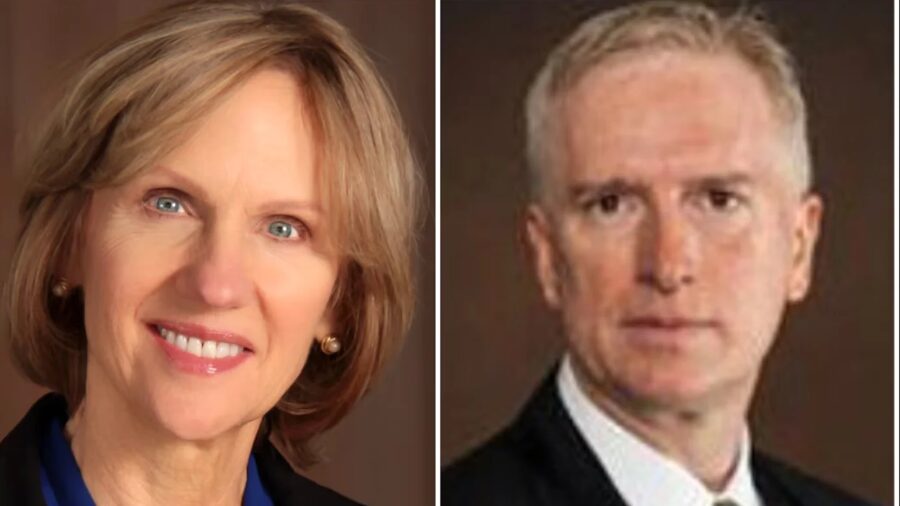
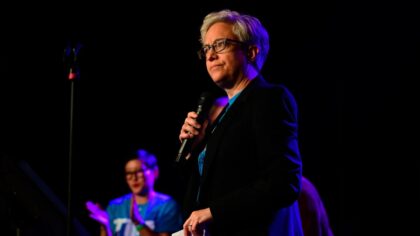
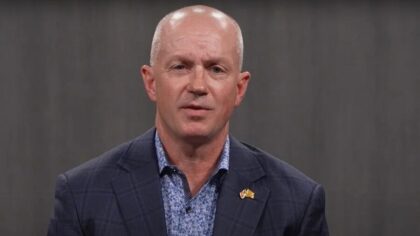
Debra Stephens (L) and Todd Bloom (R). (Photos courtesy of KIRO 7)
This story was originally published on Nov. 4, 2026. It has been updated and republished since then.
Follow Julia Dallas on X. Read her stories here. Submit news tips here.