SEATTLE NEWS ARCHIVES & FEATURES
Five biggest mistakes homebuyers make
Jun 21, 2012, 12:18 AM | Updated: Mar 4, 2016, 5:55 am
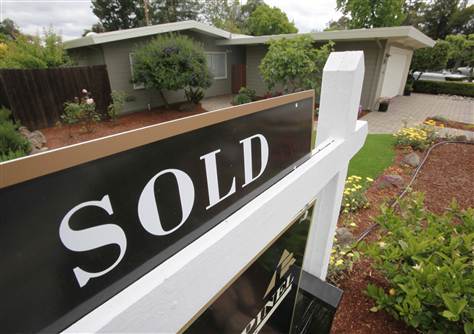
Credit.com recently featured some of the biggest mistakes homebuyers often make. (AP Photo)

Some homebuyers fall for common pitfalls when
purchasing a home. How can you help make sure you don’t
fall for one?
Credit.com recently featured some of the biggest
mistakes homebuyers often make. The list included:
1. Trying to fix credit scores before buying a
home.
Homebuyers may do more harm than good if they don’t
consult a financial expert first.
“Even paying down credit card balances, which is a
good thing as far as your credit scores and debt ratios
are concerned, could be a problem if it leaves you short
the cash you need to qualify to get the loan,” says Gerri
Detweiler, Credit.com’s personal finance expert.
2. Not considering the future enough in their
purchase.
Buyers should consider what they want out of a house
not just for today but also five or 10 years down the
road. Do they plan to expand their family? If so, they may
need a bigger home and want a different location. Also,
how long do they plan on staying at the home? That can
help determine the type of mortgage that makes the most
sense for them too.
3. Failing to research financing enough.
First comes the home and then the financing? Not in
today’s market. Home shoppers should get prequalified for
a mortgage before they start shopping for a home so they
know what they can afford.
“The time to make decisions about your mortgage needs
is not during this 10-day window [after you sign a
contract]; at most, this is time to shop for rates and
fees and such,” said Keith Gumbinger, vice president of
HSH.com. “Evaluating your credit, deciding on a product
you prefer, how much down payment you feel comfortable
making, whether you want to pay fees or points [and, if
so, how much] and even shopping for a lender [getting
preapproved] should happen well in advance of even
wandering through the market looking at houses.”
4. Making the assumption that the Good Faith
Estimate is always what you pay at closing.
The form lenders provide that estimates closing costs
is not set in stone. Closing costs may actually be more,
so buyers need to be prepared. Closing costs generally are
about 3 percent to 5 percent of the loan amount.
“Shop around and compare the Good Faith Estimate
provided by the lender with that of two or three other
lenders,” saidRyan Himmel, a CPA and founder of BIDaWIZ, a
tax advice resource. “If there is a significant disparity
in estimates, then request an explanation from the lender
to determine if you would like to move forward.”
5. Failing to budget for home expenses.
Budgeting to purchase the home isn’t all new homeowners
should be squeezing in their budget. They’d be wise to not
forget to budget for maintaining the home too. New
homeowners should budget for an increase in utility bills
as well as for future maintenance and repair costs, such
as repairing a furnace or roof.