Indian Welfare Act expert says law ‘is not based on race’
Mar 24, 2016, 10:06 AM | Updated: 5:10 pm

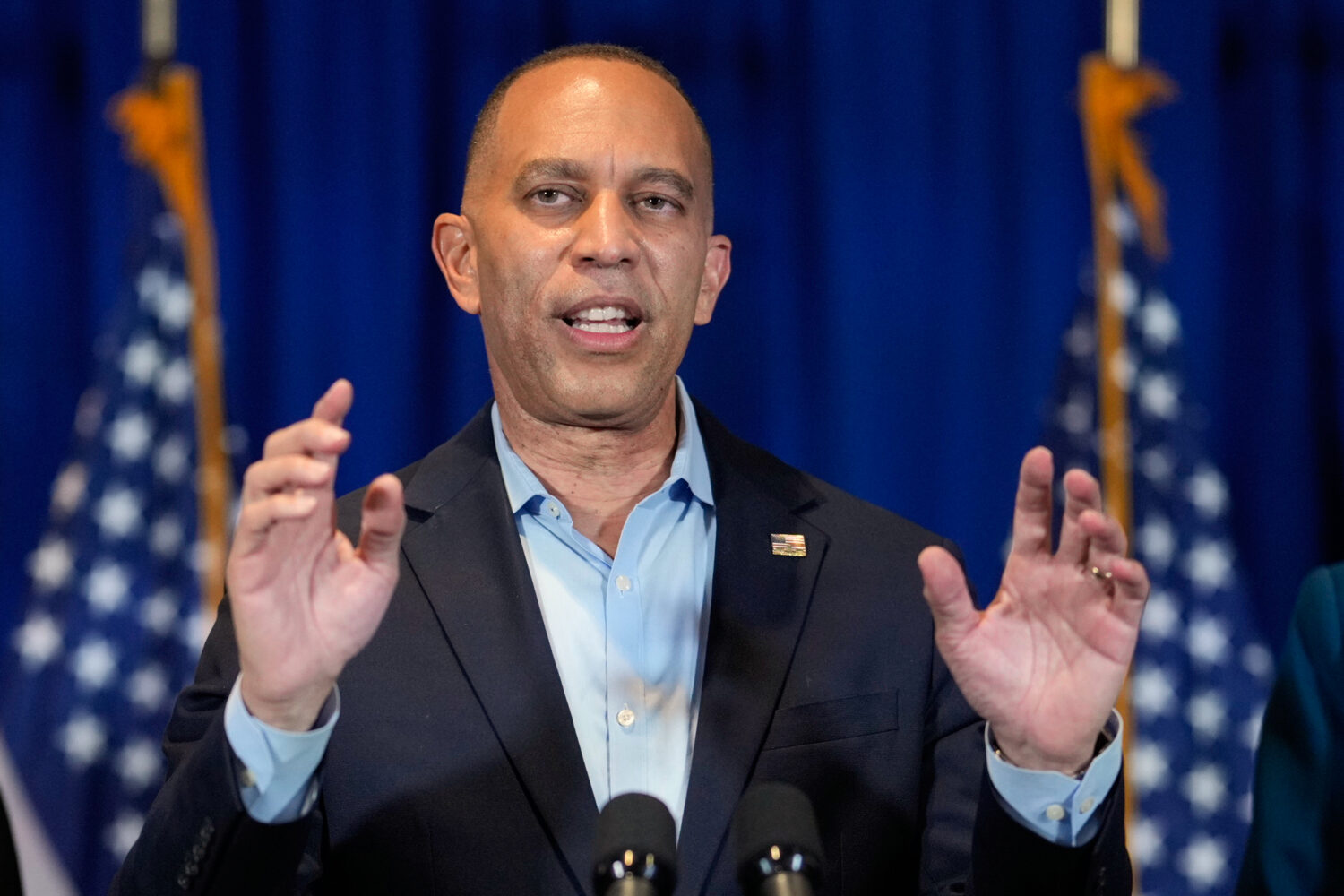
Rusty Page, who is embattled in a fight over his 6-year-old foster child, Lexi, has reached out to a Renton family going through a similar situation. (AP)
(AP)
It’s not an outdated law and the parents knew what they were getting into and the situation is not a battle between races.
That’s how Suzette Brewer, a writer who specializes in Federal Indian Law and the Indian Child Welfare Act, explained the contentious case of Lexi to KIRO Radio’s Dave Ross. The story of Lexi, a 6-year-old girl in Los Angeles who was removed from her longtime foster family earlier this week under the Indian Child Welfare Act, went viral with her foster family’s emotional plea to keep the girl who is reportedly 1.5 percent Choctaw.
Related: Tour businesses plead with Seattle council not to pass ‘harmful’ bill
The law passed in the 1970s and aims to “protect the best interests of Indian children and to promote the stability and security of Indian tribes and families.”
Brewer, a member of the Cherokee Nation of Oklahoma, said the law was enacted to deter the enormous loss of Indian children from their tribes starting in about the 1950s.
“The loss of Indian children is nothing new,” Brewer said. “That was the purpose of the missions, to educate the children in the languages of the conquerors. And it only takes about a generation to destroy the link with the tribe. So this is not some old, mean, horrible law that the state is dredging up to tear this poor child from these foster parents. They are foster parents. Their whole purpose is to provide a safe place for that child until she is replaced with her biological family members.”
Brewer also told Ross that the parents knew the transition was coming for a year. That apparently wasn’t the case for a Renton mother, Alyssa Olsen, who told KIRO Radio’s Dori Monson Wednesday about her 18-week-old adopted daughter who was abruptly taken by tribal social services under the same law on March 4.
Olsen said she understood the reason for the law, but that it seemed as though “we are paying for the sins of those who went before us.”
“Our biggest concern is how formative these first few months of life are for a child and the fact that she’s had so much unrest during this time,” Olsen said.
Brewer told Ross that it is important for these children to be returned to their biological family members.
“It’s not a race issue,” she said. “It’s always the preference under California State law that a child is always and forever meant to be reunified with first and foremost biological family members in the event their parents cannot, for whatever reason, care for them.”
Lexi’s foster father, Rusty Page, said he hopes the California Supreme Court hears their case this week and, if not, will take it to federal court. He has also reached out to the Olsen family after hearing their story, saying he is open to providing support.
“I would love to encourage (the Olsen’s) and answer what questions I can,” he said.