Comparing Seattle’s homeless solutions with Hawaii’s
Jun 7, 2016, 6:55 AM
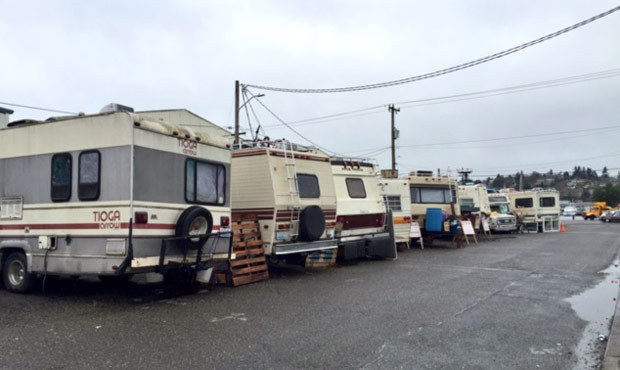
Whether or not Hawaii’s stricter model would work in Seattle, Curley says making homelessness a comfortable process does not seem to be working. (Don O'Neill/KIRO Radio)
(Don O'Neill/KIRO Radio)
Seattle Mayor Ed Murray declared a state of emergency for the homeless crisis in Seattle last November. It’s a similar move made by the City of Honolulu more than a year ago.
But the way each city has dealt with the emergency has been starkly different.
Hawaii has the highest per-capita homeless population in the nation. The New York Times reported on tough criminal laws passed in Honolulu that included giving tickets to homeless people who sit or lay on the sidewalk in tourist-heavy Waikiki, leave a shopping cart unattended or try to sleep on the beach or in cars. Meanwhile, the city sent social workers to help the homeless move into shelters.
“This makes a lot of sense,” said KIRO Radio’s Tom Tangney. “Hawaii lives and dies on its tourism industry and they said more and more tourists were saying they were not coming back because the homeless presence was so strong that it actually turned them off. When you go on vacation, you don’t want to have to deal with the social ills of society and Hawaii is based on that.”
Related: Rantz: This is Seattle losing the war on homelessness
According to the Times, the number of men and women living on the streets of Waikiki and Chinatown has been slashed from 559 in November 2014 when the program started to 162, as of early March. Of that population, 219 had been placed in temporary or permanent housing, and another 173 had been flown out.
“They are making it as uncomfortable as possible for the thousands and thousands of homeless people who call the Aloha State home,” said KIRO Radio’s John Curley.
In Seattle, officials have tried a variety of methods to countering local homeless issues, such as creating RV parks, homeless encampments and cleaning out the illegal encampment known as the “Jungle.” The city recently announced its plan to relocate one of its RV safe lots. Officials are still determining if RV safe lots are a good option for helping the homeless population.
Whether or not Hawaii’s stricter model would work in Seattle, Curley says making homelessness a comfortable process does not seem to be working.
“If you make it easy, someone will come and take advantage of your kindness and generosity,” he said.
Follow @http://twitter.com/Mynorthwest

-
 Tune in to KIRO Newsradio weekdays at 3pm for The John Curley Show.