Seattle’s new safety czar lays out priorities for Vision Zero
Jul 18, 2023, 5:02 AM | Updated: 9:01 am

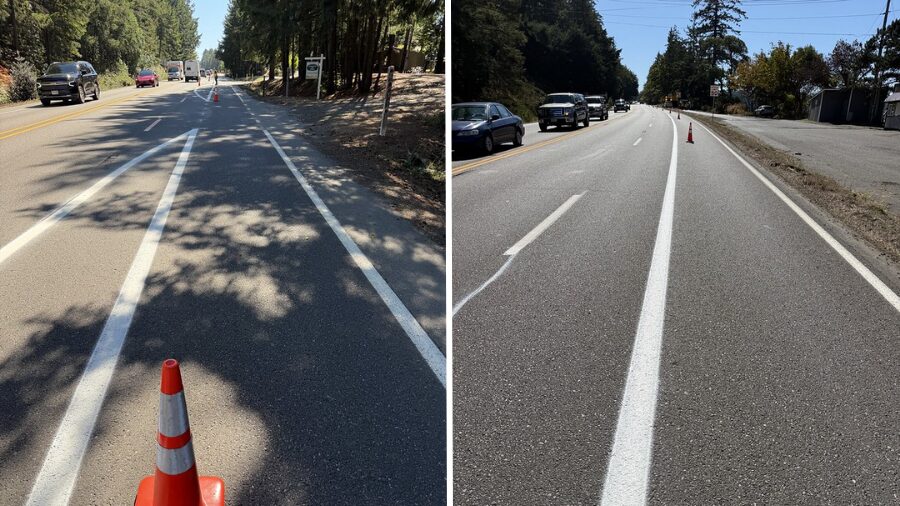
Despite the Seattle Department of Transportation's (SDOT) implementation of Vision Zero — a city-wide plan to end traffic deaths and serious injuries to pedestrians by 2030 — Seattle remains a dangerous place for those commuting and traveling without a car. (Photo courtesy of Cars in Bike Lanes Seattle)
(Photo courtesy of Cars in Bike Lanes Seattle)
Seattle has doubled down on its Vision Zero policy, the city’s plan to reduce traffic deaths and injuries on city streets.
It will elevate the city engineer to a newly-created position: Chief Transportation Safety Officer.
Safety will be the top priority of any new Seattle Department of Transportation (SDOT) project or emphasis. If a road needs to be changed, if an intersection needs improvements, safety will be the top goal. The movement of vehicles and freight will come second.
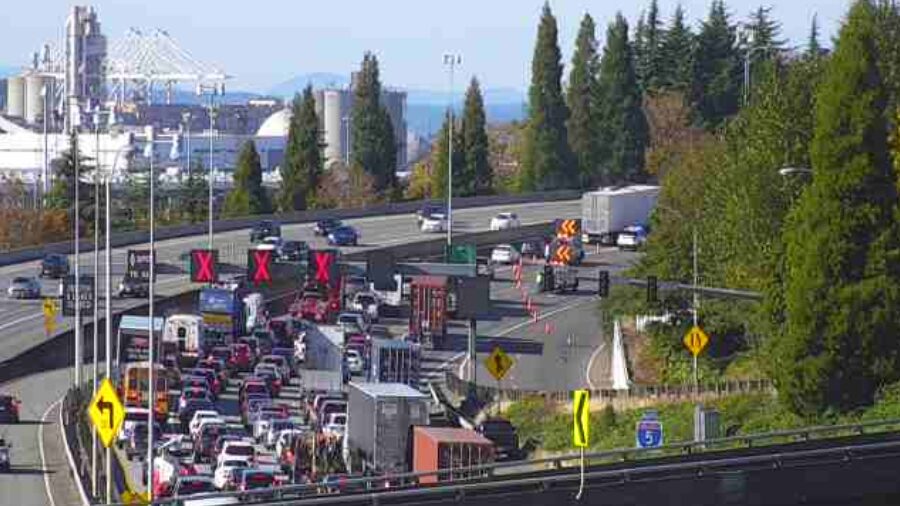
More Chokepoints: As the JBLM air show returns, so will congestion on I-5
And Venu Nemani will have the final call on whether to go forward.
“It’s an immense responsibility that I take seriously,” Nemani, a 20-year transportation veteran, told KIRO Newsradio.
All of SDOT will now be viewed through the lens of safety first. This is his role.
“To be the final person who approves all traffic control devices within the city, but this particular new position centers that responsibility, accountability, and authority into one position,” Nemani said.
Nemani will have a seat at the table for all future SDOT projects and policies, and he is excited to help shape the future of the city, and he wants to take Vision Zero to the next level.
“We have implemented a lot of visions or projects that uplifted people walking, biking, and rolling, along with people taking transit,” Nemani said. “We have done a lot of work since 2015, but we have a lot more work to do.”
One thing Nemani can do in this position is make changes to intersections or problems quickly. Things like changing signal timing or banning right turns on red as soon as he sees a problem.
“Looking at safer speeds and safer streets are two elements of the safe systems approach that we have a significant influence on,” he said. “It also gives me additional flexibility to look at things that basically come out from our day-to-day work and take more immediate action.”
Nemani said the city has been going over every signaled intersection this year and banning right turns on red where appropriate.
“We just implemented our first 40 locations, and we have another 60 locations that are ready to be implemented later this year,” Nemani said.
The city adopted this policy earlier this year, just as the Legislature was considering similar action. The bill died in committee in Olympia, but Seattle went ahead with it.
Nemani’s vision is clear. He wants to move away from what he calls the “car-centric” focus of the past and raise other modes of transportation up the priority list.
“We need to think about all road users, people walking, people biking, people taking transit, and how we move our freight through our transportation system,” he said. “When we take all the road users into account and design our streets for that, I think that the safety outcomes will be self-evident.”
I asked him what role bicyclists and walkers play in this new safety world. Do they share some responsibility, or is it just cars bearing the burden? Distracted walkers are not safe. Bicyclists that do not follow the rules of the road are not safe.
“Safety is a shared responsibility,” Nemani said. “We all have a stake in it no matter what mode of travel we choose. There is that aspect of it that safety is shared, and we all need to do our part to get to our safety goals.”
And Nemani’s changes will be data-driven. He doesn’t plan on making changes just to make changes. He will focus on what he thinks are the areas where his changes can do the most good.
As he told me, everyone deserves to get home at the end of the day.
Check out more of Chris’ Chokepoints.