‘This shouldn’t have come as a surprise’: Transportation analyst ties ferry staffing crisis to COVID-19 vaccine mandates
Oct 5, 2026, 6:44 PM

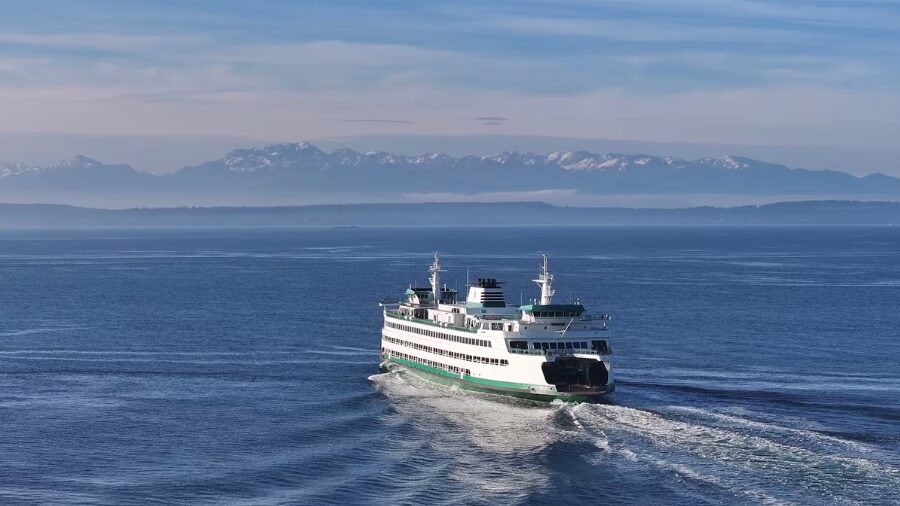
Washington Policy Center transportation director Charles Prestrud argued that Washington’s ferry disruptions were years in the making, blaming COVID-19 vaccine mandates for worsening crew shortages and questioning whether hybrid-electric ferries will solve the system’s financial problems.
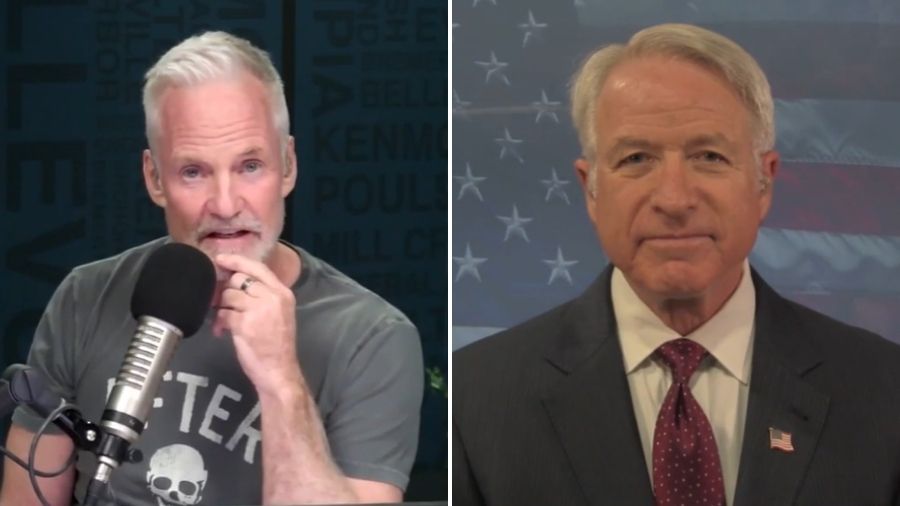
“Well, this shouldn’t have come as a surprise to anybody, and it actually goes back to the COVID pandemic when Governor Inslee issued an executive order that mandated immediate vaccinations for all of the state employees, including ferry system employees, even if they had no contact with the public,” Prestrud said on “The John Curley Show” on KIRO Newsradio.
His comments came as Washington State Ferries faced major cancellations amid an apparent engineer sick-out.
COVID vaccine mandates and staffing warnings
Prestrud contended that former Gov. Jay Inslee’s vaccination requirement accelerated an existing shortage. By his account, 132 ferry employees were terminated or pushed into early retirement, including experienced engineers, captains, and other essential crew.
“And the ferry system already knew that they were facing a shortage of licensed crew because of all the people who were eligible for retirement or rapidly approaching it, and this just pushed the system over the edge and created a crisis that the ferry system is still dealing with today,” Prestrud added.
Curley noted that replacing licensed crew members takes considerable training. Qualified engineers and captains aren’t simply waiting to be hired.
Prestrud’s message: We’ve seen this staffing issue coming for years.
Prestrud had warned in an August 2024 Washington Policy Center post that further ferry delays were inevitable. He also argued that shortages have strengthened unions’ bargaining power because the state has few alternatives when it cannot assemble enough crew.
An apparent sick-out adds pressure
Prestrud described contract negotiations as another pressure point, saying he believed the engineers’ union was seeking a 20% pay increase.
He expressed cautious optimism that engineers would return to work but questioned what the apparent sick-out would accomplish beyond frustrating passengers.
“And if they’re trying to make a point that the ferry system needs them, I think that was already understood,” Prestrud said.
Restoring service, he argued, would not resolve the larger challenge of finding enough qualified workers and replacing aging vessels without driving costs higher.
Prestrud favors smaller diesel ferries
Prestrud urged lawmakers to consider modern diesel ferries sized to serve multiple routes rather than committing further to hybrid-electric vessels.
He recalled working on the ferry system’s long-range plan, which he described as favoring smaller boats. Electrification, he argued, added weight, complexity, and expense.
“And the reason for this, of course, is you want ferries that can operate on all the routes, or at least most of them,” Prestrud said.
Washington has ordered three hybrid-electric vessels. Prestrud questioned whether the investment would deliver sufficient savings, arguing the new vessels would still require substantial crews and potentially more expensive staffing.
When Curley raised the claim that fuel savings could allow the ferries to pay for themselves in two years, Prestrud rejected it.
“They’re not going to pay for themselves in two years. They probably aren’t going to pay for themselves ever,” Prestrud said.
He pointed to electricity rates, construction costs, and terminal charging equipment. He also noted that hybrid vessels would still carry diesel engines as backup.
“So there is no way that there are going to be cost savings sufficient to cover the much higher expenses,” Prestrud said.
RELATED STORIES


A choice for lawmakers
Prestrud argued that the Legislature still has options.
“Longer term, the good news is this is a problem that the legislature can solve,” Prestrud said.
Prestrud estimated that appropriately sized diesel ferries could save roughly $1 billion upfront and help restrain labor costs. He urged lawmakers to weigh electrification against aging bridges and deferred highway maintenance.
“And I wish, as they were thinking about the problems they have with the state budget and how to fund transportation that is the state’s responsibility, they would look at ways they could make the ferry system more efficient and economical instead of just a very costly vanity project of electrifying ferries,” Prestrud said.
Watch the full discussion in the video above.
Listen to “The John Curley Show” weekdays from 3 p.m. to 7 p.m. on KIRO Newsradio 97.3 FM.
Follow @https://twitter.com/jcurleyshow

-
 Tune in to KIRO Newsradio weekdays at 3pm for The John Curley Show.