Inside ‘the boy in the tent’: Conditions were worse than anyone knew
Dec 29, 2025, 7:05 AM | Updated: 4:10 pm
The boy is out of the tent.
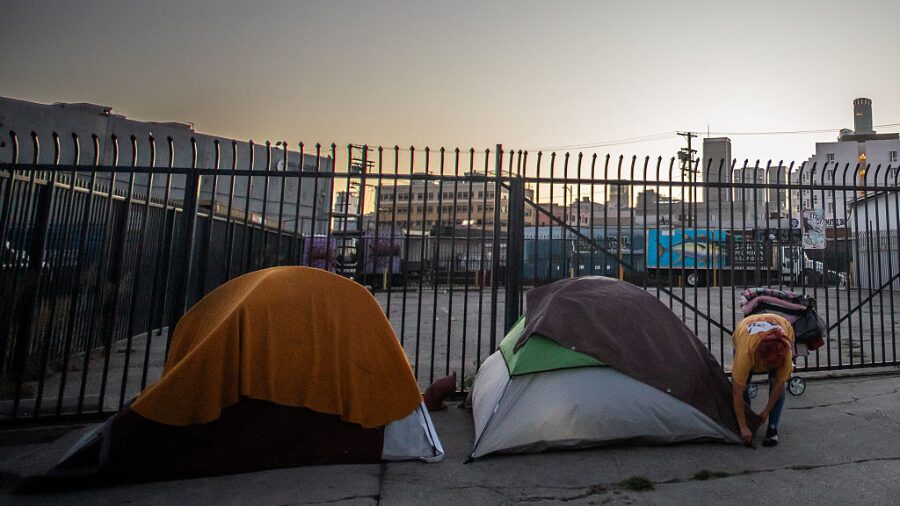
Nearly two weeks after KIRO Newsradio first reported on a nine-year-old living in a fentanyl-filled encampment off Aurora Avenue, the tent has been abandoned. Andrea Suarez, founder of We Heart Seattle, said she believes the child is now receiving medical care, though his exact situation remains unclear.
What is clear is that he is no longer living in the conditions a cleanup crew discovered when they entered the tent after it was abandoned.
Those conditions were so disturbing that Suarez’s team had to stop work and check on each other.
“It was tragic,” Suarez said. “My team had to huddle up afterwards and do a welfare check on ourselves.”
These are people who clean up encampments for a living. They have seen the worst Seattle has to offer. And what they found inside the tent where a nine-year-old boy had been living for months shook them.
RELATED STORIES


What they found
Suarez and We Heart Seattle were not involved in KIRO Newsradio’s original investigation. But after the story aired, her team was called to help clean up the site.
Before touching anything, she said they followed proper protocols. They contacted the City of Seattle’s Unified Care Team and verified with neighbors that the tent had been abandoned for approximately two weeks.
Then they went inside.
Inside the tent, workers found dozens of juice bottles filled with urine. Rotting food that had been gnawed by rats, raccoons, and squirrels. Fentanyl foil scattered on the ground. No running water. No toilet. No bed. Children’s toys covered in rat droppings and bite marks.
“It was absolutely covered and filled with garbage,” Suarez said. “Complete filth.”
The area surrounding the tent was no better. The bushes where neighbors had previously seen the boy waiting at night were filled with condoms, fentanyl foil, more urine bottles, and human feces.
“It was a hazardous waste site all around,” Suarez said.
The timeline
The Seattle Police Department and CPS had visited this tent multiple times over the preceding months. Officers documented “appropriate food and bedding” in an email to a concerned neighbor. CPS determined the child was not in imminent danger.
Neighbors told us that scanner traffic indicated authorities returned to the tent within hours of KIRO Newsradio’s story airing on Dec. 16 and being published on MyNorthwest.
Shortly after, the tent was abandoned.
The boy, who neighbors say had lived in those conditions for months, is now believed to be receiving medical care.
‘Not in imminent danger’
Consider what authorities determined was acceptable for a nine-year-old child.
CPS and SPD visited the tent multiple times over the preceding months. They saw the conditions. They spoke with the parents. They made their assessments.
In an email to a concerned neighbor, an officer wrote that CPS had examined the boy and observed “appropriate food and bedding.”
CPS told KIRO Newsradio that “poverty, substance use, homelessness, and/or exposure to domestic violence perpetrated against someone other than the child do not constitute neglect or maltreatment in and of themselves.”
The legal standard under Washington’s Keeping Families Together Act requires “imminent risk of physical harm” before a child can be removed.
The boy stayed in the tent.
Now consider what the cleanup crew found after he was gone.
Dozens of juice bottles filled with urine. No running water. No toilet. Fentanyl foil on the ground. Rotting food gnawed by rats, raccoons, and squirrels. A complete infestation. Children’s toys covered in rat droppings and bite marks. The bushes outside filled with condoms, fentanyl foil, urine bottles, and human feces.
“It’s unbelievable to think that’s safe for even an adult,” Suarez said. “There is nothing safe or humane about that scene.”
Authorities visited this tent. They documented what they saw. They determined that a nine-year-old boy was not in imminent danger.
Then KIRO Newsradio published its investigation. Hours later, neighbors say authorities returned. Shortly after, the tent was abandoned and the boy was gone.
‘This is drugs, drugs, drugs’
Suarez emphasized what KIRO Newsradio reported from the beginning: this was never a story about homelessness.
“This is drugs, drugs, drugs,” she said. “We see it throughout the permanent supportive housing system and in tents. People get housing, but they still end up hanging out in the drug scenes. Fentanyl is absolutely first and foremost what we need to blame this on.”
According to Suarez, the family had previously received Section 8 housing and lost it due to drug use.
Washington’s Keeping Families Together Act, passed in 2023, requires caseworkers to prove that removal is “necessary to prevent imminent physical harm” before taking a child from their parents. The law was designed to prevent unnecessary family separations. Critics say it has left children in dangerous situations while caseworkers’ hands are tied.
Suarez said state lawmakers who saw the KIRO Newsradio story have reached out to her, expressing outrage and interest in revisiting the law.
“Write your legislator. Get involved,” Suarez said. “Civic engagement is how we can turn this ship around and save little boys like this.”
What remains
The boy’s future is uncertain. Whether he will be reunited with his family, whether his mother will be required to enter treatment, and whether the family will receive housing assistance again all remain open questions.
“To be determined,” Suarez said. “This is a very long journey for this family.”
What remains certain is what was found inside that tent.
Dozens of bottles filled with urine. Fentanyl foil on the ground where a child slept. Rotting food chewed by rodents. Toys gnawed by rats and covered in droppings.
A nine-year-old boy lived in that. For months. Exposed to fentanyl. Surrounded by filth. Waiting in bushes littered with condoms and human waste while his mother worked Aurora.
Authorities visited that tent again and again. Month after month, they documented what they saw. Month after month, they determined they couldn’t do anything.
Then one December morning, the story went public. Thousands of people read it. Thousands more heard it on the radio.
Hours later, authorities returned to the tent.
This time, they did not walk away.
The boy is out. But he has a long way to go.
Charlie Harger is the host of “Seattle’s Morning News” on KIRO Newsradio. You can read more of his stories and commentaries here. Follow Charlie on X and email him here.